
I spend a lot of time with phones in my pocket and a camera in my hand, and the line between the two has practically disappeared. Whether you’re chasing better low-light portraits, cleaner video for a side project, or just want a phone that keeps up with a kid’s soccer game, the right pick makes every shot less of a compromise. This list focuses on gear that earns its place in a creator’s bag or a parent’s daily carry, from mounts and memory cards to a fresh slate of Pixel flagships.
How The Shortlist Stacks Up
MOSENVKA Magnetic Phone Stand Tripod for MagSafe

SanDisk 256GB Extreme microSDXC UHS-I Memory Card

Google Pixel 11 Unlocked Smartphone (256 GB, Obsidian)

Google Pixel 11 Unlocked Smartphone (512 GB, Hibiscus)

Google Pixel 11 Unlocked Smartphone (512 GB, Frost)

Google Pixel 11 Pro Unlocked Smartphone (512 GB, Obsidian)

Google Pixel 11 Pro Unlocked Smartphone (256 GB, Olive)

Google Pixel 11 Pro Unlocked Smartphone (512 GB, Canyon)
Google Pixel 11 Pro XL Unlocked Smartphone (256 GB, Obsidian)
The Strengths Of Each Pick
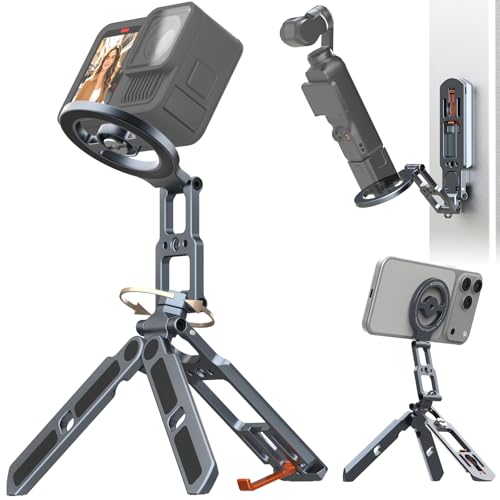
A magnetic mount that pulls double duty sounds gimmicky until you actually swap a phone for an action camera mid-shoot without unscrewing anything. The MOSENVKA tripod uses a MagSafe-friendly face on one side and a standard 1/4″-20 threaded post on the other, which is the same thread that most cameras, small rigs, and accessories use.
For hybrid creators who bounce between an iPhone on a hike and a GoPro on a bike, that flexibility matters. Folding it down slips easily into a jacket pocket, so it travels like a phone but works like a real mount. In most setups I’d expect it to hold steady for handheld vlogging and short tripod shots on flat ground.
The Practical Payoff
- One mount covers both MagSafe phones and 1/4″-20 cameras, cutting the gear list.
- Folding design packs flat for travel bags and jacket pockets.
- Magnetic grip lets you snap an iPhone on and off in seconds between takes.
- Threaded side plays nicely with small action rigs like GoPro and DJI Osmo Pocket.
- Works as a phone stand for hands-free video calls or recipe videos in a kitchen.
Points To Keep In Mind
- Magnetic hold only applies to MagSafe-compatible iPhones or phones in a magnetic case.
- Stability on windy outdoor days will depend on the tripod legs and surface.
- Heavy camera rigs may out-torque the small folding legs, so check the load first.
Made For
Vloggers and weekend creators who film with both a phone and a small action camera and want one mount to carry.
Look Elsewhere When
You only shoot with a phone and want the fastest, most streamlined upgrade path; the Google Pixel 11 Pro fits a phone-only workflow better.
Storage is the unglamorous side of mobile photography, and a slow card ruins a great camera. The SanDisk Extreme line is rated for 4K UHD video, and the U3 and V30 speed classes (which set minimum sustained write speeds for smooth video capture) make it a safe pick for action cams, drones, and phones with a microSD slot.
A2 app performance (Application Performance Class 2, a rating that keeps apps stored on the card running snappy) also means apps launching from the card feel close to internal storage. For most people shooting a mix of 4K clips and RAW photos on a long trip, 256GB hits a comfortable middle ground between room and portability.
Good Reasons To Consider
- V30 and U3 ratings support smooth 4K UHD recording without dropped frames.
- A2 rating keeps apps installed on the card responsive in daily use.
- Includes a full-size SD adapter for laptops and card readers.
- 256GB holds roughly hours of 4K footage or thousands of high-res JPEGs.
Trade Offs
- Sustained write speeds top out at levels fine for 4K, but heavy RAW burst shooters may want a higher tier.
- Adapter adds a small extra step when moving files to a full-size card reader.
Quick Technical Notes
Right Fit For
Travelers and mobile videographers who record long 4K sessions and want one reliable card to keep swapping in.
Consider Something Else When
Your phone has no microSD slot, like the Google Pixel 11 Pro XL; lean on internal storage tiers instead.
The standard Pixel 11 is the friendlier entry point of Google’s 2026 lineup. Google’s Tensor G5 chip (their in-house mobile processor designed around on-device AI) powers Gemini, the assistant built into the phone, while the slimmed-down camera bar keeps the back looking clean against a matte finish. At 256GB, most people will never run out of room for everyday clips and family photos.
Battery life is rated around 30 hours in mixed use, which gets a heavy day of maps, music, and casual video through without a charger. I like this tier for parents and casual creators who want the Pixel camera experience without paying for the Pro extras.
Real Benefits
- Pixel camera pipeline handles tricky light with strong auto exposure and skin tones.
- 256GB covers years of casual photos and 4K clips for most owners.
- Around 30-hour battery life handles long days out without a top-up.
- Unlocked design works across major US carriers for flexible plan shopping.
Room For Improvement
- No telephoto lens of the Pro tier, so distant shots lean on digital zoom.
- Matte back shows fingerprints less than glossy glass but still benefits from a case.
Best Suited To
Everyday shooters who want a capable camera phone without the Pro price premium.
A Better Fit Elsewhere
Anyone who shoots concerts, sports, or distant subjects regularly will get more reach from the Google Pixel 11 Pro (Obsidian, 512 GB).
Same Pixel 11 foundation, just with a more generous 512GB of storage and a warm pink finish that stands out in a sea of black phones. For people who hate managing phone storage or who keep a long backlog of 4K clips, this tier buys peace of mind.
The camera system leans on the same Tensor G5-driven processing as the 256GB model, so photo quality stays consistent across the lineup. If you shoot in RAW, hoard family videos, or just don’t want to think about offloading, the bump is worth thinking about.
Strengths Worth Knowing
- 512GB comfortably holds large RAW libraries and extended 4K projects.
- Hibiscus finish gives the lineup a distinctive look for users tired of black slabs.
- Tensor G5 with Gemini handles advanced photo edits on-device.
- Unlocked status supports major US carrier networks out of the box.
Some Limits To Know
- Larger storage adds cost that not every casual user will recoup.
- Color-matched cases can be harder to source than standard black or white options.
Whose Shelf It Belongs On
Family archivists and traveling creators who shoot lots of 4K video and want headroom for years of memories.
Swap It Out When
You mostly stream and rarely film; the Google Pixel 11 (256 GB, Obsidian) keeps the camera experience at a friendlier price.
The Frost finish flips the script with a cooler, almost icy tone that pairs well with minimalist cases. Internally it lines up with the rest of the Pixel 11 family, which means you’re choosing it for the look and the storage tier rather than any camera upgrade.
That makes it a smart pick if you care about how the phone looks in your hand and on a desk, but you still want the dependable Pixel camera pipeline under the hood. Owners commonly report the matte back keeps smudges at bay compared to glossy glass finishes.
Real-World Strengths
- Bright Frost finish stands out without going loud.
- 512GB gives long-term room for 4K video and high-res photo libraries.
- Tensor G5 chip keeps AI editing features running smoothly on-device.
- Same Pixel camera processing as the rest of the Pixel 11 family.
Things To Consider
- Lighter finishes can show dye transfer from dark denim pockets over time.
- You may find the cool tone clashes with warm-leaning accessories and cases.
Who Should Grab It
Style-focused shoppers who want a clean, cool-toned finish paired with healthy storage for everyday shooting.
Reach For A Different Pick When
You prefer warmer colorways; the Google Pixel 11 Pro (Canyon, 512 GB) leans into a richer finish.
The Pixel 11 Pro is where Google’s camera ambitions land. It pairs the Tensor G5 chip with a more advanced camera system, including a telephoto lens for cleaner distant shots and improved low-light processing. Two screen sizes, 6.3″ and 6.8″, mean you can pick your comfort zone without giving up the Pro features.
For people who lean on a phone as their main camera, the Pro tier is where most of the gains show up. Materials are described as the most durable in the Pro line to date, which matters for anyone who’s already cracked a phone screen and doesn’t want to repeat the lesson.
What Helps Most
- Telephoto lens delivers cleaner shots of distant subjects than the base model.
- Available in two sizes, 6.3″ and 6.8″, for different grip preferences.
- 512GB storage supports long RAW and 4K workflows.
- Build materials are rated for stronger everyday drop protection than earlier Pro generations.
- Gemini integration adds proactive help across apps for editing and planning.
Practical Considerations
- Pro pricing puts it well above the base Pixel 11 for tighter budgets.
- Larger 6.8″ size can feel unwieldy in smaller hands or shallow pockets.
Feature Snapshot
Who It Suits Best
Mobile photographers and serious creators who want telephoto reach and a bigger editing canvas without switching to a dedicated camera.
Skip It When
You mainly shoot casual snapshots and don’t need telephoto; the Google Pixel 11 (256 GB, Obsidian) covers the basics well.
Olive is the most distinctive finish in the Pixel 11 Pro lineup, a deep, earthy green that pairs nicely with leather cases and warm wood desks. The 256GB storage tier keeps the cost more approachable than the 512GB options while still giving you the full Pro camera and chip experience.
For shoppers who like a phone that doesn’t look like everyone else’s, this is the one I’d nudge them toward. The Pro camera system, including the telephoto lens, is unchanged from the higher-storage siblings, so you’re trading capacity, not image quality.
What It Does Well
- Olive colorway gives the Pro line a unique, understated look.
- Full Pro camera system with telephoto reach and advanced AI editing.
- Tensor G5 chip supports smooth on-device photo and video work.
- 256GB hits a friendlier price than the 512GB Pro tiers.
Worth Bearing In Mind
- Olive finish shows wear along edges if dropped without a case.
- 256GB can fill up fast for owners who shoot a lot of 4K footage.
Perfect Match For
Style-conscious Pro shoppers who want telephoto reach and a distinctive finish without paying for maximum storage.
Where A Sibling Pick Shines
Heavy 4K shooters will get more storage headroom from the Google Pixel 11 Pro (Canyon, 512 GB).
Canyon brings a warmer, sandstone-inspired tone to the Pro line that ages gracefully next to leather and natural materials. Combined with 512GB of storage, this is the Pro tier I’d recommend to anyone who shoots on the road and wants both room and personality in one device.
Same Pro camera system, same Tensor G5 with Gemini, same dual-size display options as the rest of the Pro family. The Canyon finish just gives you a phone that looks a little less anonymous on a cafe table, which matters more than people expect.
A Few Strong Suits
- Warm Canyon finish pairs well with travel and lifestyle aesthetics.
- 512GB supports long trips with heavy 4K shooting.
- Pro camera system with telephoto handles distant subjects cleanly.
- Available in 6.3″ and 6.8″ sizes for different grip styles.
Honest Caveats
- Lighter sandstone-style finishes can show scuffs at the corners after drops.
- 512GB tier commands a premium over the 256GB Pro options.
Who Will Love This
Travel creators and vloggers who want generous storage, telephoto reach, and a warm, distinctive finish in one package.
Not Your Match When
You’d rather have the biggest possible editing canvas; the Google Pixel 11 Pro XL (Obsidian, 256 GB) goes even larger at 6.8″.
The Pro XL is for people who treat their phone like a small monitor. The 6.8″ display gives you a generous canvas for reviewing 4K footage, scrubbing through timelines, and editing RAW photos on the go. Same Pro camera system, same Tensor G5 chip, just stretched across more screen real estate.
For creators who color-grade and crop on the phone itself, the extra inches actually change the workflow. You may find the larger body less pocket-friendly than the standard Pro, but that’s the usual trade for a bigger editing surface.
What Works In Its Favor
- 6.8″ display makes on-phone editing and review much more comfortable.
- Full Pro camera system with telephoto and advanced low-light processing.
- Tensor G5 with Gemini keeps AI-assisted edits fast and on-device.
- Obsidian finish keeps the look neutral for professional settings.
Less Ideal Details
- Larger body can feel bulky in smaller hands and tight jacket pockets.
- 256GB may run tight for users who lean heavily on internal storage instead of cloud offloads.
Key Product Details
Built With In Mind
Creators and editors who use their phone as a primary review and editing screen and want Pro-grade imaging in a larger format.
Another Choice May Suit
One-handed users and pocket-first shoppers will find the standard Google Pixel 11 Pro (Obsidian, 512 GB) easier to live with day to day.
Picking A Camera Phone That Fits The Way You Shoot
Camera mobile phones have quietly become the camera most people actually use, which makes the choice feel bigger than the spec sheet suggests. Start with the shooting scenarios you care about: low-light dinners, fast-moving kids, distant travel shots, or polished portraits for a portfolio. Each one points toward a different lens and sensor setup, and that matters more than any buzzword on the box.
Then think honestly about storage. A 256GB tier sounds generous until you start saving 4K clips from a two-week trip; a 512GB pick removes that anxiety. Battery life is the other quiet decider for heavy shooters, since editing on the phone drains faster than snapping a quick photo. For accessories, a sturdy mount and a fast microSD card extend what the phone can do without replacing it, especially for hybrid creators who also shoot on an action cam.
Matching The Camera System To The Subject
Telephoto lenses make a real difference for concerts, sports, and travel, where you can’t always walk closer. Standard wide setups handle landscapes, group shots, and everyday portraits well, and modern AI processing fills in the rest. If your subjects move fast or sit far away, lean toward a Pro-tier model with telephoto and stronger low-light processing.
Storage, Battery, And Real-World Longevity
Two numbers tend to decide long-term happiness: how many gigabytes fit on the phone, and how long it lasts away from a charger. Shooters who keep RAW files or 4K video benefit from 512GB. Travelers who don’t want to hunt for outlets should look at battery life ratings and faster wireless charging.
Accessories That Earn Their Place
A reliable mount and a fast memory card aren’t optional for a serious setup. They keep your footage steady, your files safe, and your workflow moving when the moment shows up. Spend on the accessories that match how you actually shoot, not on extras that look clever but stay in a drawer.
Key Considerations Across These Picks
Common Shopping Slip Ups
The biggest miss I see is choosing a phone purely on megapixel count, then ignoring telephoto reach and storage tier. A 50MP main sensor sounds great until you realize you can’t get a clean shot from the back of a venue, or you run out of room halfway through vacation. The other classic trap is skipping accessories: a great camera phone wobbling on a stack of books or running out of space after day two is a setup that fights you. Match the storage to your real shooting habits and grab a mount or a memory card that fits how you work.
What The Higher Tier Buys
Stepping up to a Pro or XL model usually buys three things: a telephoto lens, more internal storage, and a larger or higher-quality display. For most casual shooters the base Pixel 11 is enough; for anyone reaching for the zoom button or editing on the phone itself, the Pro tier earns its keep. Paying more makes sense when you’ll feel those gains every week, not just on a spec sheet.
Frequently Asked Questions
What makes a phone good for photography? A strong main sensor, reliable image processing, useful zoom range, and enough storage to keep the photos you actually want.
How much storage do I really need? Casual shooters often do fine with 256GB; anyone saving 4K video or RAW photos regularly should think about 512GB or cloud backups.
Do I still need a separate camera? For everyday snapshots, travel, and social content, a modern camera phone covers most situations. Dedicated cameras still win for fast action, very long zooms, and pro video work.
What is a telephoto lens useful for? It captures distant subjects cleanly, which helps at concerts, sports events, and travel spots where you can’t physically move closer.
Are accessories like tripods and memory cards still worth it? Yes, especially for hybrid creators who shoot with both a phone and an action camera. A steady mount and fast storage improve results more than most people expect.
Bottom Line
The right camera mobile phone comes down to the shots you actually want to keep, not the spec sheet that looks most impressive. Match the lens setup, storage tier, and accessories to your real habits, and the rest falls into place. Whichever pick you land on, the goal is the same: more keepers, less fuss, and a phone that disappears into the moment you’re trying to capture.