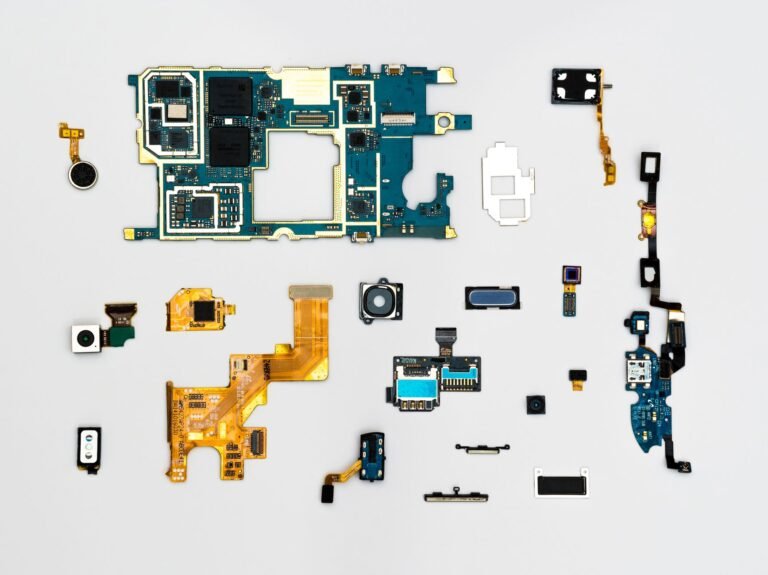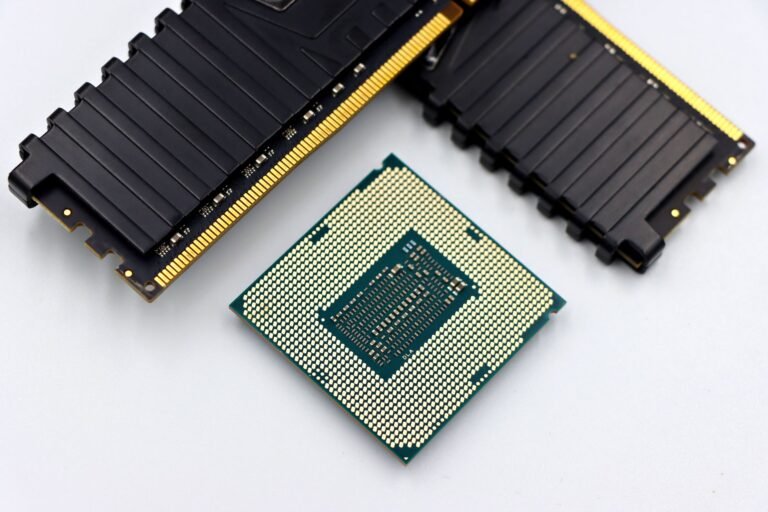

Affordable smartphones used to mean endless compromise, but the current crop covers commuters, casual scrollers, students, and even light mobile gamers without forcing anyone to overspend. I pulled together ten options that span Android mainstays, entry-level daily drivers, and a protective case for shoppers who already own a phone but want to keep it safe. There’s genuinely something for nearly everyone who wants capable hardware without paying flagship money.
How The Shortlist Stacks Up

Samsung Galaxy S26 Ultra 256GB Unlocked (Sky Blue)

OnePlus 13R 12GB+256GB Unlocked (Nebula Noir)

Samsung Galaxy A17 4G Dual SIM 8GB+256GB

Poco M7 Pro 5G 12GB+256GB (Purple)

Xiaomi Redmi A5 4G LTE 4GB+128GB (Ocean Blue)

Mobnano iPhone 15 MagSafe Clear Case

Google Pixel 9a 128GB Unlocked (Obsidian)

Motorola Moto G35 5G 8GB+256GB (Sage Green)
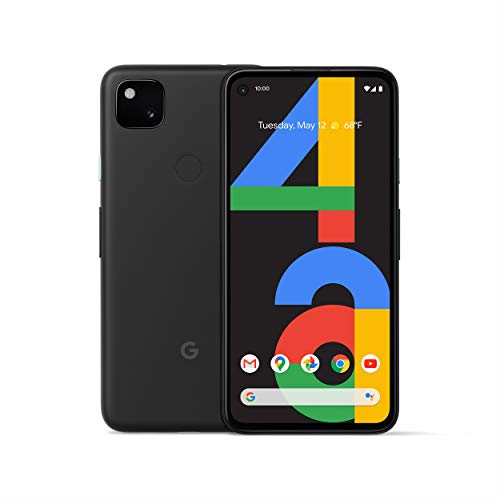
Google Pixel 4a 128GB Unlocked (Just Black)
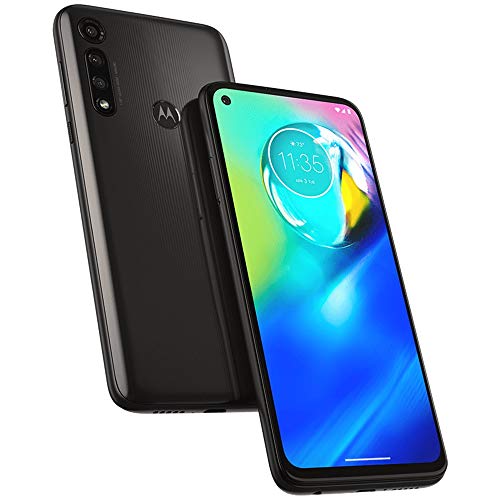
Motorola Moto G Power Unlocked 4GB+64GB
A Closer Look At Each Pick
The Galaxy S26 Ultra sits at the top of Samsung’s flagship line, but it earns a place in a budget-focused roundup because shoppers often find meaningful markdowns once the device has been on shelves for a few months. Inside, 256GB of storage gives plenty of room for apps, photos, and offline video, while the unlocked status means the phone works across most major carriers.
Owners tend to appreciate the large display for streaming and the long-term software support Samsung promises for its premium hardware. Compared to the mid-tier Galaxy A17 below, this phone offers a much more capable processor and a far more versatile camera system, which matters to anyone who edits photos or plays demanding games on the go.
What Stands Out
- Generous 256GB internal storage eliminates constant cleanup of apps and media.
- Unlocked design works with most major carriers and lets shoppers pick plans freely.
- Top-tier Samsung build quality and long software update window for several years.
- Premium camera system handles low-light scenes and detailed portraits well.
Things To Consider
- Carries a higher price than every other entry on this list.
- Large footprint may feel unwieldy for shoppers with smaller hands.
- Glass body benefits from a protective case, adding to the total cost.
Feature Snapshot
Made For
Power users, mobile photographers, and anyone planning to keep a phone for three or more years who wants the strongest hardware Samsung currently offers.
Where Another Pick Suits Better
Shoppers watching every dollar should look at the Xiaomi Redmi A5 4G LTE instead, which costs a fraction of the S26 Ultra for basic daily tasks.
The OnePlus 13R is a phone that punches well above its bracket, pairing Qualcomm’s Snapdragon 8 Gen 3 (one of the fastest Android chips available) with 12GB of RAM. That combination keeps multitasking smooth and lets demanding games run at high frame rates without stuttering.
The Nebula Noir finish feels understated in person, while the 55W SUPERVOOC wired charging means even a quick coffee break can top up the battery meaningfully. For shoppers comparing this to the Samsung Galaxy S26 Ultra above, the trade-off is mostly in camera polish and wireless charging features, not raw speed.
Noteworthy Benefits
- Flagship-tier Snapdragon 8 Gen 3 handles heavy games and split-screen work comfortably.
- 55W wired charging fills the battery far faster than most budget phones manage.
- Dual-SIM flexibility suits travelers juggling work and personal numbers.
- 12GB RAM keeps dozens of apps open in the background without reloads.
Honest Caveats
- Lacks the very latest camera processing of Samsung’s flagship line.
- Software update commitment is shorter than Google or Samsung offer.
Right Fit For
Mobile gamers, frequent travelers, and shoppers who care more about processor speed and charging speed than camera tricks.
Skip It When
Camera enthusiasts wanting the simplest possible photo experience should consider the Google Pixel 9a reviewed further down.
Samsung’s Galaxy A17 leans into the practical side of the smartphone world, offering a generous 6.7-inch screen, hybrid dual-SIM support, and a 5000 mAh battery that comfortably gets most people through a full day. The 8GB of RAM and 256GB of storage feel generous at this tier.
It’s a phone that suits anyone upgrading from an older Galaxy or stepping away from a flagship for the first time. Compared to the OnePlus 13R above, the A17 trades raw speed for Samsung’s familiar One UI software and longer-term security updates.
Practical Pluses
- 6.7-inch display makes reading, video, and maps more comfortable.
- Hybrid dual-SIM slot accepts a second line or a microSD card for extra storage.
- 5000 mAh battery covers a full day of mixed use for most shoppers.
- USB Type-C port aligns with current cables and chargers most people already own.
Worth Noting
- Limited to 4G networks, so it won’t tap into the fastest 5G bands where available.
- Camera performance lags behind Samsung’s S-series in low light.
- Charging speed is modest compared to the OnePlus 13R.
Quick Facts
Who Should Grab It
Daily Samsung fans, families, and anyone wanting a dependable 4G phone with a familiar interface and a battery that just keeps going.
A Better Fit Elsewhere
Gamers chasing top frame rates should pick the OnePlus 13R instead, since its Snapdragon chip handles demanding titles far more smoothly.
The Poco M7 Pro 5G is built for shoppers who want modern connectivity without paying flagship prices. The 6.67-inch display runs at a smooth 120Hz, which makes scrolling through social feeds and web pages feel noticeably fluid. A 50MP main camera with optical image stabilization (OIS) helps reduce blur from shaky hands in dim restaurants.
Two important notes for shoppers in the United States: this phone is tuned for T-Mobile, Mint, Tello, and carriers that operate on the T-Mobile network, and it requires an already-activated SIM. Outside the US, it works on any standard GSM carrier. Compared to the Galaxy A17 above, the Poco offers 5G support and a higher refresh-rate display at a similar tier.
What Earns Its Place
- 120Hz refresh rate keeps animations and scrolling visibly smooth.
- OIS-equipped 50MP main sensor reduces blur in handheld low-light shots.
- 5G support future-proofs the phone for faster carrier rollouts.
- 12GB of RAM supports heavy multitasking for power users.
- Hybrid SIM slot accepts a second line or a microSD card.
Potential Drawbacks
- Limited to T-Mobile and T-Mobile-based networks inside the US.
- Needs an already-activated SIM card to begin service.
- Poco’s MIUI-style software takes adjustment for shoppers used to stock Android.
Spec Overview
Best Suited To
T-Mobile, Mint, and Tello customers who want 5G speeds, a fluid display, and a strong main camera without overspending.
Swap It Out When
Shoppers on Verizon or AT&T should consider the Google Pixel 9a below, which offers broader carrier compatibility.
The Redmi A5 is one of the most approachable ways to get a modern smartphone experience without stretching the budget. The 6.88-inch display is among the largest in this lineup, which makes it a friendly option for older shoppers or anyone who watches a lot of video. The 32MP AI-assisted camera system uses software smarts to improve shots in tricky lighting.
It’s worth noting the same T-Mobile network restriction that affects the Poco M7 Pro above, since both are tuned for T-Mobile, Mint, Tello, and similar carriers in the US. The Redmi A5 keeps things simple with 4G LTE rather than 5G, which helps extend battery life in everyday use.
Where It Excels
- Very approachable price makes it accessible for first-time smartphone owners.
- Generous 6.88-inch display is comfortable for reading and video.
- Dual-SIM plus microSD support keeps storage flexible.
- 4G-only modem helps the battery stretch through longer days.
Trade-Offs
- Limited to T-Mobile and T-Mobile-based networks in the US.
- Only 4GB of RAM, so heavy multitaskers may notice slowdowns.
- 128GB base storage fills up quickly with large photo libraries.
Feature Card
Whose Shelf It Belongs On
First-time smartphone owners, gift shoppers, and anyone who mainly calls, texts, and watches video on T-Mobile-based networks.
Reach For A Different Pick When
Anyone wanting a faster, more future-proof device should look at the Poco M7 Pro 5G above, which adds 5G and more RAM at a modest step up.
Even budget-conscious shoppers who already own a phone need to protect it, and this Mobnano case fits the bill for iPhone 15 users specifically. The crystal-clear back shows off the phone’s original finish, while multicolor bumpers around the corners add a touch of personality without overwhelming the design. Built-in magnets align with Apple’s MagSafe system (a ring of magnets that lets accessories snap onto the back of the phone), so wireless chargers and wallets click into place cleanly.
Compared to the smartphones above, this is a different kind of pick entirely: an accessory that extends the life of a device someone already owns. For shoppers with an iPhone 15 looking to drop the cost of ownership, it earns its spot on this list.
Useful Strengths
- MagSafe-compatible ring keeps wireless charging fast and aligned.
- Multicolor bumpers add grip and visual flair without bulk.
- Crystal-clear back showcases the phone’s original color.
Points To Keep In Mind
- Fits iPhone 15 only, so iPhone 15 Pro and Pro Max owners need a different case.
- Clear plastic may show scuffs over time without regular cleaning.
Who It Suits Best
iPhone 15 owners who want a slim, MagSafe-friendly case that protects against everyday drops without hiding the phone’s design.
Consider Something Else When
iPhone 15 Pro or Pro Max owners should look for a case specifically sized to their model since this one won’t fit correctly.
The Pixel 9a brings Google’s clean take on Android to shoppers who’d rather not wade through heavy manufacturer skins. Google’s Gemini AI powers helpful features like on-device photo editing, smart replies, and call screening, which makes everyday phone use feel a little more thoughtful. The all-day battery and 128GB of storage hit a sweet spot for most people.
Where this phone separates itself from the Samsung Galaxy A17 above is software simplicity and Google’s reputation for fast, long-running security updates. The unlocked status makes it a comfortable fit for shoppers who travel or switch carriers occasionally.
Notable Upsides
- Clean Android experience free of heavy manufacturer skins.
- AI photo editing tools simplify touch-ups for casual photographers.
- Long-term security and OS updates directly from Google.
- Unlocked design works across major US carriers.
- All-day battery covers typical mixed use without midday charging.
Where It Is Less Suited
- 128GB base storage can feel tight for users with large media libraries.
- Camera hardware doesn’t match the main Pixel 9 Pro line.
- Charging speeds are slower than the OnePlus 13R.
Perfect Match For
Casual photographers, fans of clean Android, and shoppers who want Google’s AI tools and long update window without flagship pricing.
Not Your Match When
Shoppers prioritizing raw gaming performance should look at the OnePlus 13R instead, since its Snapdragon 8 Gen 3 chip runs demanding games more smoothly.
The Moto G35 5G is the kind of phone that quietly does the job for people who just want a solid daily device. The 6.72-inch FHD+ display (a full-HD panel with sharp detail) makes videos and social feeds look crisp, and the 5000 mAh battery stretches through long days of scrolling and calls. The 50MP main camera leans on AI to clean up everyday shots.
Compared to the Pixel 9a above, the Moto G35 trades Google’s AI polish for a friendlier price and a slightly larger screen. For shoppers who want a straightforward Android experience with 5G connectivity, it’s a low-fuss option.
Everyday Perks
- 5G support keeps the phone ready for newer network rollouts.
- 256GB of internal storage holds large libraries of photos and apps.
- 5000 mAh battery easily covers heavy media consumption.
- Sage Green finish offers a subtle alternative to standard black phones.
Possible Compromises
- Camera processing doesn’t match the Pixel 9a’s AI-driven results.
- Motorola’s update commitment is shorter than Google or Samsung.
Who Will Love This
Heavy media consumers, students, and anyone who wants 5G and plenty of storage without paying for premium-brand recognition.
Where A Sibling Pick Shines
Shoppers who prioritize camera quality and software polish should choose the Google Pixel 9a above instead.
The Pixel 4a is the most compact phone on this list, which makes it a refreshing option for anyone tired of oversized devices. Despite its smaller body, the 12MP dual-pixel rear camera delivers Google’s well-regarded computational photography, including Night Sight for dark scenes and Portrait Mode for natural-looking background blur.
The adaptive battery learns which apps matter to each user and limits power to the ones that don’t, helping the phone last through a full day. Compared to the Pixel 9a above, this older model lacks 5G and the newest Gemini AI tools, but it remains a sensible pick for light users on a tight budget.
Features That Help
- Compact body fits comfortably in one hand and smaller pockets.
- 12MP dual-pixel camera captures strong low-light photos via Night Sight.
- Adaptive battery extends runtime by learning app habits over time.
- Titan M security chip protects passwords and OS integrity.
Things To Weigh
- Older generation lacks 5G connectivity.
- Smaller screen is less comfortable for video-heavy users.
- Software update window has ended since this is a legacy model.
Right Fit For
Minimalists, light users, and anyone who prefers a smaller phone with Google’s well-loved camera processing.
Another Choice May Suit
Shoppers wanting longer software support should consider the Pixel 9a instead, since it’s the current-generation model with years of updates ahead.
The Moto G Power has earned a reputation among travelers and field workers because of one standout feature: a 5000 mAh battery that, under lighter use, can stretch up to three days between charges. The 6.4-inch Max Vision Full HD+ display paired with dual stereo speakers tuned by Dolby makes it a comfortable pocket cinema for long trips.
For shoppers comparing it to the Moto G35 above, the trade-off is an older processor and less base storage (64GB). It’s an honest choice for someone who values battery life and reliability over raw speed.
Useful Highlights
- Up to three days of battery life under typical light use.
- Dual stereo speakers tuned by Dolby add depth to videos and music.
- Unlocked design works across major US carriers.
Smaller Limitations
- Only 64GB of internal storage fills up quickly with large media files.
- Older processor handles everyday tasks but not heavy gaming.
- Camera quality trails newer Moto G models in low light.
Best Suited To
Travelers, outdoor enthusiasts, and anyone who values battery endurance over cutting-edge processing power.
Look Elsewhere When
Shoppers wanting more storage and faster performance should consider the Moto G35 5G above for a modest step up.
What Matters Most When Choosing Budget Phones
Performance And Chipset Reality
The processor quietly decides how long a phone stays pleasant to use. Mid-range Snapdragon and Tensor chips handle modern apps comfortably, while older or entry-level chips may feel sluggish within a year or two. Shoppers planning to keep a phone for three or more years benefit from spending slightly more for a stronger chipset, like the Snapdragon 8 Gen 3 inside the OnePlus 13R.
Display Size And Refresh Rate
Screen size affects how enjoyable reading, maps, and video feel day to day. A 6.7-inch or larger panel suits shoppers who watch a lot of content, while a more compact screen fits easier in pockets and one-handed use. A 120Hz refresh rate, found on the Poco M7 Pro, makes scrolling noticeably smoother than standard 60Hz panels.
Battery Life And Charging Habits
A larger mAh rating generally means longer runtime, but software optimization matters too. Travelers and field workers who can’t recharge often should prioritize phones like the Moto G Power with big batteries, while shoppers near outlets most of the time can prioritize fast wired charging instead.
Carrier And Network Compatibility
Not every budget phone works on every carrier. Devices like the Poco M7 Pro 5G and Redmi A5 are tuned for T-Mobile-based networks in the US, while unlocked Pixels and Galaxies work across most major carriers. Always check network bands before committing.
Key Considerations Across These Picks
Common Shopping Slip Ups
The most common mistake is choosing a phone based on headline specs without checking carrier compatibility. A Poco M7 Pro is excellent on T-Mobile but won’t work on Verizon, which matters more than processor speed for daily satisfaction. Another trap is overlooking software update commitments; older or budget-tier phones sometimes lose security support within a couple of years.
What The Higher Tier Buys
Stepping up to a more expensive phone typically buys a faster chipset, a better camera system, longer software support, and extras like wireless charging or a higher refresh-rate display. For most shoppers, the jump from a $300 phone to a $600 phone delivers a meaningful but not life-changing improvement. The Galaxy S26 Ultra sits well above that bracket and is worth it only when premium features matter to the user.