
A great phone doesn’t have to drain the savings account. I’ve watched shoppers agonize over paying flagship prices when a well-chosen budget model handles messaging, streaming, maps, and photos without complaint. The picks below cover a wide spread of needs: long battery life for commuters, clean software for parents handing a phone to a teen, and capable cameras for casual creators. Everything here is unlocked or works with mainstream US carriers, and every model was chosen for real-world usefulness rather than spec-sheet theater.
A Quick View Of The Lineup

Samsung Galaxy A17 6.7″ 4G Dual Sim 8GB/256GB (Black)

Poco M7 Pro 5G 256GB + 12GB Unlocked (Purple)

Xiaomi Redmi A5 4G LTE 128GB/4GB (Ocean Blue)

Google Pixel 9a with Gemini 128GB Unlocked (Obsidian)

Poco C65 4G LTE 128GB/6GB Unlocked (Blue)
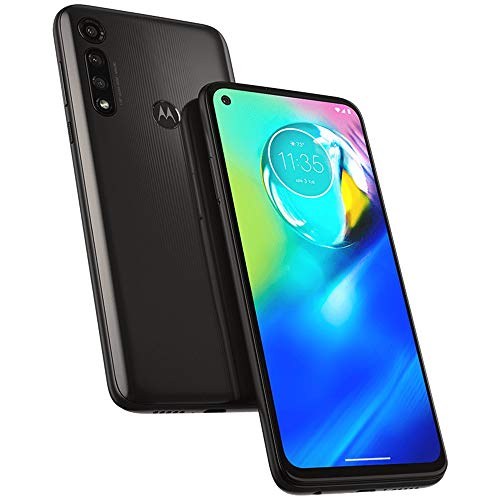
Motorola Moto G Power Unlocked 64GB (Black)

Samsung Galaxy S23 FE 128GB Unlocked (Graphite)

Samsung Galaxy S24 FE 128GB Unlocked (Graphite)
Why These Options Stand Out
Samsung’s Galaxy A17 leans hard into the “do most things well” formula, and the 6.7-inch screen gives streaming and Maps plenty of room to breathe. With 256GB of internal storage and a hybrid dual-SIM tray, shoppers who travel occasionally or juggle work and personal lines can stretch this phone further than most entry-level Androids.
For anyone stepping up from an older Galaxy A-series, the layout should feel familiar, and 8GB of RAM keeps everyday multitasking smooth. Compared to the Poco M7 Pro that follows, this Samsung skips 5G, so it’s worth confirming your carrier plan before committing.
Notable Upsides
- 256GB internal storage swallows large photo libraries without constant cleanup
- Hybrid dual-SIM tray accepts a second line or a microSD card for extra space
- USB Type-C charging keeps cable shopping simple for households already on modern cables
- 6.7-inch display makes reading recipes, ebooks, and group chats easier on the eyes
Worth Noting
- 4G only, so anyone leaning on next-gen network speeds will feel held back
- Hybrid SIM slot means expanding storage forces you to give up the second line
Who Will Love This
Anyone who wants a spacious Samsung screen and lots of storage without chasing flagship pricing.
Look Elsewhere When
Heavy 5G users and cloud-gaming fans will find the Google Pixel 9a a noticeably more future-ready pick.
The Poco M7 Pro is the spec-sheet darling of this lineup, pairing a 120Hz display (meaning the screen refreshes 120 times per second for smoother scrolling) with 12GB of RAM, which is unusually generous at this tier. The 50MP main camera includes optical image stabilization (OIS), a hardware feature that physically steadies the lens to reduce blur in low light, something even the pricier Galaxy A17 lacks.
Media hounds who binge shows on commutes will appreciate the smooth scrolling, and the large 256GB storage means there’s room for offline playlists. A note for US shoppers: the M7 Pro is built for GSM carriers like T-Mobile and its MVNOs (mobile virtual network operators, or smaller carriers that rent network access from a major carrier), so Verizon and AT&T subscribers should look at the Pixel 9a or Samsung FE models instead.
What Stands Out
- 120Hz refresh rate makes games and feed scrolling noticeably smoother than 60Hz screens
- 50MP main sensor with OIS gives handheld night shots a fighting chance
- 12GB RAM handles dozens of browser tabs and chat apps without thrashing
Trade Offs
- US carrier compatibility is limited to GSM networks like T-Mobile and its sub-brands
- No Verizon or AT&T CDMA support, so check your SIM type before ordering
- Hybrid SIM slot forces a choice between a second line and a microSD card
Made For
T-Mobile and Mint Mobile customers who want flagship-style smoothness without flagship expense.
A Better Fit Elsewhere
Verizon or AT&T subscribers should grab the Google Pixel 9a for broader carrier support.
The Redmi A5 is the friend who shows up with the biggest screen at the smallest price. At 6.88 inches across, the display dwarfs the rest of this list, which makes it a natural fit for grandparents who struggle with tiny text, kids handed their first phone, or anyone who treats their handset like a mini tablet.
4GB of RAM is modest, so power users juggling heavy apps may notice some hesitation, but for messaging, video calls, and social media it keeps up. Like the Poco M7 Pro, this model targets GSM networks in the US, so the same carrier caveat applies for Verizon households.
Practical Pluses
- 6.88-inch display is the largest on this list and easy on aging eyes
- 128GB storage covers typical app and photo needs without expansion
- Dual-SIM plus microSD slot means two lines and extra storage can coexist
Small Caveats
- 4GB RAM can bottleneck during heavy multitasking
- 4G LTE only, with no 5G fallback for future-proofing
- US support is limited to T-Mobile-family GSM carriers
Quick Facts
Right Fit For
First-time phone owners, kids, and older users who value screen size over raw speed.
Swap It Out When
Frequent travelers who want 5G speeds and stronger cameras should consider the Google Pixel 9a.
The Pixel 9a is the standout choice for shoppers who want a “just works” Android experience without paying flagship rates. Google’s Gemini assistant and on-device AI photo tools (which process images directly on the phone rather than in the cloud) punch well above the price tag, and the unlocked design means it plays nicely with every major US carrier.
All-day battery life and a clean software build make this a strong fit for anyone tired of bloatware. Compared to the Samsung Galaxy A17 reviewed first, the Pixel 9a trades raw storage capacity for sharper imaging and longer software support.
The Good Stuff
- AI photo editing tools let casual creators polish shots without third-party apps
- Unlocked hardware supports all major US carriers out of the box
- Long-term security and OS updates extend the phone’s useful lifespan
- All-day battery covers typical mixed use without a midday top-up
Things To Consider
- 128GB storage is the only configuration, so power users may miss a higher tier
- Camera hardware favors computational photography, which heavy manual shooters may want to test first
Who Should Grab It
Photo-first shoppers and clean-software fans who want a phone that stays fast for years.
Reach For A Different Pick When
Anyone needing massive local storage for video files will find the Samsung Galaxy A17 a roomier alternative.
The Poco C65 lands in a sweet middle spot, balancing price, performance, and a few thoughtful extras. The 50MP triple camera setup (main sensor plus dedicated macro and auxiliary lenses) gives casual photographers more framing options than typical entry-level phones, and a 3.5mm headphone jack remains for anyone clinging to wired earbuds.
6GB of RAM handles light gaming and multitasking better than the Redmi A5, and the MediaTek Helio G85 chip keeps day-to-day navigation feeling snappy. Like other Poco models on this list, US buyers should confirm GSM compatibility with their carrier before ordering.
Positive Takeaways
- Triple rear cameras add macro and depth flexibility for creative snapshots
- 3.5mm headphone jack supports wired audio without an adapter
- 6.74-inch display with Gorilla Glass protection resists everyday scuffs
- 6GB RAM keeps app switching smoother than the 4GB Redmi A5
Honest Caveats
- 4G LTE only, so 5G-curious shoppers will want the Pixel 9a instead
- Carrier support is limited to T-Mobile-family GSM networks in the US
Best Suited To
Teens, shared households, and music lovers who want headphone jack support in 2026.
Another Choice May Suit
Buyers wanting AI camera features and broader carrier support will find the Google Pixel 9a a stronger match.
The Moto G Power has earned a reputation among road warriors and field workers for one reason: stamina. Its 5000mAh battery (a measure of battery capacity, where higher numbers mean longer life between charges) stretches into multi-day use for light callers, which is rare even on flagship phones. The 6.4-inch Max Vision Full HD+ display is comfortable without being unwieldy.
As an older release, it lacks 5G and ships with a modest 64GB of storage, but the trade-off is a deeply discounted price on the used and renewed market. Anyone who values unplugged weekends over cutting-edge specs will find this an honest workhorse.
Advantages To Know
- Multi-day battery life reduces charger anxiety on travel days
- Unlocked design supports a wide range of US carriers
- Lightweight body stays comfortable for long calls and reading sessions
A Few Limitations
- No 5G support, which limits long-term network longevity
- 64GB storage fills up quickly with photos and offline video
Quick Facts
Whose Shelf It Belongs On
Travelers, gig workers, and minimalists who want a phone that simply keeps going.
Not Your Match When
Anyone chasing modern AI features and 5G should reach for the Samsung Galaxy S24 FE instead.
The Galaxy S23 FE (Fan Edition) borrows the design language of Samsung’s flagship S-series and trims the price by cutting a few corners. The result is a premium-feeling phone with Gorilla Glass durability, a 50MP main camera, and access to Samsung’s Galaxy AI features, including live translation and photo assist tools.
This is the right pick for someone whose old phone is finally giving up and who wants something familiar but noticeably faster. Compared to the Pixel 9a, the S23 FE leans into Samsung’s ecosystem, which can be a plus for Galaxy Watch and Buds owners.
Strengths Worth Knowing
- Galaxy AI features add real-time translation and smart photo editing
- Premium build with Gorilla Glass resists daily wear
- Unlocked hardware works across major US carriers
Points To Keep In Mind
- As an older generation, software support will end sooner than the S24 FE
- 128GB base storage limits heavy local media collections
Perfect Match For
Long-time Samsung shoppers ready to move up from an aging Galaxy A or older S model.
Where Another Pick Suits Better
Anyone who wants the newest FE hardware and longer update support should grab the Samsung Galaxy S24 FE.
The Galaxy S24 FE is the most capable phone on this list and the priciest, yet it still sits well below Samsung’s flagship S24 Ultra. The AMOLED display (a screen technology known for deep blacks and vivid colors) gets bright enough for sunny outdoor use, and the 50MP main camera benefits from Samsung’s latest AI enhancements like Photo Assist for moving and removing objects.
For power users who want flagship polish without the flagship bill, this is the honest sweet spot. Shoppers who already own Galaxy Buds or a Galaxy Watch will get the most from the ecosystem integration.
A Strong Showing
- Galaxy AI tools include Photo Assist and real-time translation for travel
- Bright AMOLED display handles outdoor visibility with ease
- Long battery life keeps up with streaming and navigation-heavy days
- Unlocked design supports all major US carriers
Honest Caveats
- Higher cost than every other pick on this list
- 128GB storage is fixed, so heavy shooters may need cloud backup
Built With In Mind
Power users, frequent travelers, and Samsung ecosystem fans who want flagship-tier features at a sensible step down.
Skip It When
Strict-budget shoppers should consider the Xiaomi Redmi A5 or Moto G Power for similar everyday tasks at lower cost.
What Matters Most Before Choosing Budget Cell Phones
Carrier Compatibility Comes First
Before anything else, confirm the phone supports your carrier’s network. Verizon and AT&T rely on a mix of LTE and 5G bands that some unlocked imports don’t cover, while T-Mobile and its sub-brands like Mint and Tello are more flexible. A phone that ticks every spec box still fails if it can’t place a call on your plan.
US shoppers leaning toward the Poco M7 Pro, Poco C65, or Redmi A5 should double-check GSM compatibility. Verizon households will have an easier time with the Pixel 9a, Moto G Power, or Samsung FE models.
Battery, Storage, and Cameras in Practice
A 5000mAh battery is the practical sweet spot for most users, because it comfortably lasts a full day of mixed use without aggressive power-saving tricks. Storage is more personal: 64GB works for light users, 128GB is the safe middle, and 256GB matters for anyone who shoots video or downloads games.
Cameras deserve realistic expectations. A 50MP sensor sounds impressive, but image processing and OIS matter more for everyday shots. The Pixel 9a’s AI tools and the Poco M7 Pro’s OIS both produce strong photos in their tier.
Software Support and Longevity
Long software support extends a phone’s useful life, which matters when spending even modest money. Google’s Pixel line and Samsung’s FE models typically receive several years of OS and security updates, while budget imports may stop receiving patches sooner.
Anyone planning to keep a phone for three years or more should weigh update support alongside hardware. A slightly older phone with longer support can outlast a newer model that stops getting security fixes.
Key Considerations Across These Picks
Mistakes Worth Dodging
Chasing the biggest megapixel count is a common trap, because real photo quality depends on sensor size, OIS, and software processing far more than raw numbers. A 50MP sensor without stabilization often loses to a 12MP sensor with OIS in dim light.
Another misstep is ignoring carrier bands in favor of pure specs. A phone with the best chipset on paper is useless if it can’t connect to your home network. Always cross-check supported bands against your carrier’s published list before clicking order.
Where The Extra Money Goes
Stepping up to the Galaxy S24 FE buys brighter AMOLED screens, faster processors, longer software support windows, and access to premium AI features like live translation. For casual users, those gains are luxuries rather than necessities.
For shoppers who live inside the Samsung ecosystem or travel internationally, the extra spend pays back in daily convenience. For everyone else, a mid-tier pick like the Pixel 9a delivers roughly 80 percent of the experience at a noticeably gentler cost.
Frequently Asked Questions
Are budget cell phones reliable for daily use in 2026?
Yes, modern budget phones handle messaging, streaming, navigation, and photography without complaint for most users. Reliability comes down to software support length and build quality, both of which are strong on the Pixel 9a and Samsung FE models reviewed here.
Shoppers who push heavy gaming or professional video work will still feel limits, but everyday tasks are well within reach.
Do I need 5G on a budget phone?
Not strictly, since 4G LTE remains fast enough for streaming and video calls across most US markets. 5G matters more for future-proofing if you plan to keep the phone three or more years.
For a one- to two-year upgrade cycle, a 4G phone like the Moto G Power or Redmi A5 saves money without meaningful sacrifice today.
What’s the difference between an FE phone and a regular budget phone?
FE (Fan Edition) models borrow premium features from flagship lines and trim less-critical specs to hit a lower price. The Galaxy S23 FE and S24 FE both carry Gorilla Glass, AMOLED displays, and AI tools that budget A-series phones skip.
Regular budget phones focus on the essentials: a capable camera, decent battery, and reliable software. They work fine for users who don’t need premium extras.
Can I use an unlocked budget phone with any carrier?
Most unlocked phones work with GSM carriers like T-Mobile, Mint, and Tello out of the box. Verizon and AT&T compatibility depends on the specific LTE and 5G bands the phone supports, which varies by model.
Always confirm band support against your carrier’s coverage map before buying, especially with import models like the Poco M7 Pro or Redmi A5.
How long should a budget phone last?
A well-chosen budget phone should comfortably serve two to three years of typical use. Phones with longer software support windows, like the Pixel 9a and Samsung FE models, can stretch toward four years.
Physical durability, battery health, and how the phone is cared for all factor into real-world lifespan.
Closing Remarks
Any of these eight phones will serve a budget-conscious shopper well in 2026, but the right pick depends on which trade-offs matter most. The Pixel 9a remains my top recommendation for most people, while the Moto G Power is the obvious choice for anyone chasing battery life above all else. Match the phone to the carrier, the use case, and the hand that’s going to hold it, and the savings follow naturally.