
Budget gaming phones no longer mean settling for stuttering frame rates and washed-out screens. I put together this list for anyone chasing smooth gameplay, responsive controls, and dependable thermals without overshooting what a wallet-friendly setup should cost. Whether you game on the bus, in bed, or during a work break, these picks cover the angles that actually matter: chipset muscle, display quality, battery stamina, and the small details that decide whether a phone feels good over months of daily use.
A Snapshot Of The Selections
Razer Kishi Ultra Gaming Controller (USB-C)
Bcofo Wireless Mobile Game Controller (Hall Effect)
Razer Kishi V2 Mobile Gaming Controller (Lightning)
Google Pixel 11 Unlocked Smartphone 256 GB (Obsidian)
Google Pixel 11 Unlocked Smartphone 512 GB (Hibiscus)
Google Pixel 11 Unlocked Smartphone 512 GB (Frost)
Google Pixel 11 Pro Unlocked Smartphone 256 GB (Canyon)
Google Pixel 11 Pro Unlocked Smartphone 256 GB (Fog)
Google Pixel 11 Pro Unlocked Smartphone 512 GB (Obsidian)
Google Pixel 11 Pro Unlocked Smartphone 256 GB (Olive)
More Details On Our Top Picks
For anyone who treats cloud streaming like a serious hobby, the Razer Kishi Ultra flips the script on mobile controllers by stretching the form factor well beyond phone width. It grips tablets up to eight inches, which turns a chunky Android slab or iPad mini into something resembling a Nintendo Switch screen. The benefit is real for RPGs and cinematic shooters where a wider field of view changes how the action reads.
Plug-and-play USB-C connectivity keeps latency low, and the bridge design grips the device firmly without wobble during long sessions. For commuters splitting time between phone and tablet, this controller essentially covers both with one purchase.
Where It Delivers
- Full-sized controls feel familiar to anyone coming from a home console.
- Bridge grip holds tablets steadily during long handheld sessions.
- USB-C wired link keeps input lag minimal for competitive play.
- One accessory covers both phone and tablet use cases.
- Larger grips reduce hand fatigue compared to standard phone-sized controllers.
Things To Consider
- Bulkier than phone-only controllers, so it travels less comfortably in pockets.
- Requires a USB-C port, ruling out older Lightning iPhones.
Feature Snapshot
Who It Suits Best
Cloud-streaming enthusiasts who bounce between phone and tablet and want console-grade ergonomics in a single accessory.
Consider Something Else When
Anyone on a tight budget who mainly plays on a phone should look at the Bcofo Wireless Mobile Game Controller instead, since it skips tablet support in favor of a friendlier footprint.
The Bcofo controller leans into flexibility, which makes it appealing for households where phones, tablets, Switch consoles, and laptops all show up at the dinner table. The standout feature is the pair of Hall Effect triggers, a magnetic sensing technology that registers input without physical contact points, so trigger pulls stay smooth and tend to resist the stick drift that plagues older analog designs over time. The included RGB lighting feels playful rather than essential.
A six-axis gyro adds motion aiming for supported titles, and the rumble feedback gives shooters and racing games some weight. Compared to the Razer Kishi Ultra, this one trades tablet fit for a more compact phone-first clip and broader platform support.
Key Advantages
- Hall Effect triggers resist drift and stay precise over years of play.
- Mode switch button makes jumping between iOS, Android, Switch, and PC painless.
- Back paddles let players map combos for faster execution in fighting or shooter games.
- RGB lighting adds personality without overwhelming the controller’s footprint.
Worth Noting
- Plastic shell feels light, which some shoppers may read as budget build rather than premium finish.
- Software for reprogramming the paddles may take patience to navigate.
- Wireless mode means occasional battery charging between sessions.
Quick Facts
Made For
Multi-platform players who want Hall Effect durability and custom paddle mapping without paying flagship-controller prices.
Look Elsewhere When
Hardcore tablet streamers should grab the Razer Kishi Ultra instead, since the Kishi’s stretchable bridge fits screens the Bcofo clip cannot.
The Kishi V2 for Lightning ports is the controller I reach for when an iPhone sits at the center of the gaming routine. The extendable bridge clamps firmly onto modern iPhones, including the latest models with Lightning connectors, and the microswitch buttons give a crisp click that feels closer to a console face button than the mushy alternatives. Programmable macros add shortcuts for MFi games and streaming apps.
Where the Bcofo controller prioritizes cross-platform flexibility, this one commits to iPhone fit, which means tighter tolerances and fewer compatibility surprises. It folds flat for storage, slips into a bag, and reattaches in seconds.
What Pays Off
- Extendable bridge locks onto modern iPhones with no rattle during play.
- Microswitch face buttons feel snappy and last longer than membrane alternatives.
- Programmable macros let players bind complex inputs to a single press.
- Foldable design keeps pockets and backpacks uncluttered.
Honest Caveats
- Lightning-only design locks out USB-C iPhones and tablets.
- Pricing tends to sit above generic third-party gamepads.
Feature Card
Best Suited To
iPhone owners who prefer a snug, console-style handheld without dealing with third-party app quirks or pairing delays.
A Better Fit Elsewhere
Anyone bouncing between an iPhone and a Switch should consider the Bcofo Wireless Mobile Game Controller for broader platform coverage.
Stepping into actual phones, the Pixel 11 in Obsidian delivers a balanced middle path for shoppers who game but also want a dependable daily driver. Gemini-powered assistance handles small tasks so you can stay present in longer sessions. The matte back keeps fingerprints down, and the slim camera bar lets the phone sit flat on a table without a wobble during landscape gaming.
For most people starting a search for budget gaming phones, the 256 GB storage tier offers enough room for several large titles without forcing an early delete spree. Compared to the Pixel 11 Pro, the standard model skips the telephoto lens but keeps the chipset strong enough for smooth play in popular competitive shooters.
Noteworthy Benefits
- 256 GB internal storage fits several large games side by side.
- Matte back finish resists smudges during long handheld sessions.
- Gemini integration handles routine tasks while gaming in the background.
- Slim camera bar keeps the phone stable on flat surfaces.
Points To Note
- Camera system lacks the telephoto reach of the Pro variants.
- Obsidian finish shows micro-scratches more than lighter colorways.
Key Product Details
Who Will Love This
Mainstream shoppers who want a reliable everyday phone that doubles as a smooth gaming device without overspending on Pro features.
Skip It When
Mobile photographers chasing telephoto zoom should look at the Pixel 11 Pro in Obsidian instead, since it adds a dedicated zoom camera.
The Hibiscus version of the Pixel 11 doubles down on internal storage, doubling the 256 GB base to 512 GB. That extra headroom matters for anyone keeping a deep bench of installed titles, large cloud saves, or downloaded media for offline play. The brighter colorway also gives the phone a friendlier look than the matte Obsidian variant.
For gamers who rarely delete anything, this trim avoids the dreaded “Storage Full” prompt that always seems to appear mid-match. Same chipset and battery as the Obsidian sibling, so performance carries over without compromise.
The Practical Payoff
- 512 GB storage holds massive game libraries without forcing deletes.
- Hibiscus finish adds visual warmth versus standard dark phones.
- Same chipset as other Pixel 11 variants, so gaming performance matches.
Some Limits To Know
- Lighter color may show smudges more than matte black finishes.
- Higher storage tier typically costs more than the 256 GB sibling.
Right Fit For
Players who treat their library like a back catalog and prefer to install rather than stream every session.
Not Your Match When
Casual players who only keep a few titles at a time will find the Pixel 11 in Obsidian a leaner and cheaper choice.
The Frost finish covers the same Pixel 11 hardware as the Hibiscus version but trades the warm pink hue for a cooler, almost glacial tone. Style-focused shoppers who want their phone to look distinctive without leaning into bold colors tend to gravitate here. Underneath, the 512 GB storage tier behaves identically, holding the same deep game library without compromise.
Compared to the Hibiscus sibling, this variant reads as more neutral, which can matter in a work environment where the phone spends half its life on a meeting desk. Performance, battery life, and software are unchanged.
Good Reasons To Consider
- Frost finish reads as professional without feeling dull.
- 512 GB storage matches the Hibiscus model for library capacity.
- Matte texture stays comfortable during extended handheld sessions.
Potential Drawbacks
- Lacks the telephoto camera of the Pro variants for distant shots.
- Cooler tone may show dust along matte surfaces more visibly.
Whose Shelf It Belongs On
Style-aware shoppers who lean minimalist and want a phone that doubles as a smooth gaming device.
Reach For A Different Pick When
Anyone craving telephoto zoom should look at the Pixel 11 Pro in Canyon, which adds the Pro camera system in a warmer finish.
The Pixel 11 Pro in Canyon marks the jump to Google’s premium tier, where the camera system gains telephoto reach and the build steps up with tougher materials for everyday drop protection. Available in two screen sizes (6.3″ and 6.8″), the Pro gives gamers room to choose between a more pocketable form factor and a larger canvas for cinematic titles. The matte back keeps the device stable in hand during long sessions.
Where the standard Pixel 11 in Obsidian is plenty for most casual play, the Pro leans into the kind of sustained performance that matters when frame drops decide the outcome of a match. The 256 GB tier here is the lighter Pro option for shoppers who rely more on cloud saves than local installs.
Useful Strengths
- Two size options (6.3″ and 6.8″) let shoppers pick pocket-friendly or immersive.
- Pro camera system adds telephoto reach for distant subjects.
- Tougher build materials handle everyday drops more confidently.
- Higher thermal headroom keeps frame rates steadier under load.
A Few Limitations
- 256 GB Pro storage is smaller than the 512 GB standard Pixel 11.
- Canyon finish shows fingerprints more than deeper matte black options.
Perfect Match For
Hardcore mobile players who want Pro-level performance and camera versatility in a single device.
Swap It Out When
Budget shoppers chasing sheer storage should consider the Pixel 11 in Hibiscus, which delivers 512 GB at a friendlier cost.
Fog swaps the warmer Canyon tone for a more understated gray, which suits shoppers who want Pro performance without drawing attention. Same chipset and battery as the Canyon version, so the gaming behavior carries over identically. The Pro-level thermals keep frame rates stable during extended play, which matters when tournaments run long.
For office professionals who game in the evenings, the muted finish slips comfortably into a meeting-room setting. Storage stays at 256 GB, which keeps the price closer to mid-range than the 512 GB Pro tier.
Everyday Perks
- Fog finish fits both professional and casual environments.
- Pro thermals deliver steady frame rates in long sessions.
- 256 GB tier keeps the price closer to mid-range territory.
Less Ideal Details
- Same 256 GB ceiling as the Canyon sibling may feel tight for heavy installers.
- Gray finish can look similar to older Pixel generations at a glance.
Built With In Mind
Hybrid work-and-play shoppers who want premium performance with a quietly stylish shell.
Where A Sibling Pick Shines
Gamers focused on maximum local storage should consider the Pixel 11 Pro in Obsidian at 512 GB, which doubles the headroom.
The 512 GB Obsidian Pixel 11 Pro is the configuration I point power users toward when they want flagship performance without compromise. The Pro camera system pairs with the largest storage tier, which removes the friction of managing installs across months of new releases. The Obsidian finish hides minor wear better than lighter colorways, a small practical perk for daily carriers.
Compared to the 256 GB Pro siblings, the doubled storage costs more up front but pays off for anyone holding large offline game files or 4K capture clips. For long-haul users who skip cloud subscriptions, this is the sensible Pro pick.
Advantages To Know
- 512 GB storage handles massive game libraries and capture files with ease.
- Obsidian finish hides minor scuffs during daily carry.
- Pro thermals and chipset deliver flagship-grade gaming performance.
Trade-Offs To Consider
- Costs more than the 256 GB Pro variants or standard Pixel 11.
- Heavier storage tier may exceed what casual players ever fill.
Who Should Grab It
Power users who want Pro performance plus storage headroom for years of future game installs.
Another Choice May Suit
Shoppers who prefer a lighter visual should consider the Pixel 11 Pro in Fog for the same performance in a softer gray finish.
Olive rounds out the Pro lineup with a nature-toned green finish that stands apart from the grays and blacks that dominate the smartphone market. The hardware story matches the other Pro variants: telephoto camera, tougher build materials, and the choice between 6.3″ and 6.8″ screen sizes. The green back gives the phone a distinctive look without crossing into flashy territory.
For shoppers who treat their phone as a personal statement piece, this finish carries more personality than the standard black or gray. The 256 GB tier keeps the cost below the 512 GB Obsidian Pro while preserving the premium experience.
Standout Benefits
- Olive finish offers a distinctive look without leaning loud.
- Pro camera system includes telephoto reach.
- Two display sizes let shoppers pick pocket-friendly or immersive.
Worth Bearing In Mind
- 256 GB tier may feel tight for shoppers with deep game libraries.
- Green finish limits case-matching options compared to black variants.
The Right Fit
Style-conscious Pro shoppers who want flagship gaming performance in a less common colorway.
Where Another Pick Suits Better
Storage-focused users should pick the Pixel 11 Pro in Obsidian 512 GB for the same Pro hardware with doubled local space.
What Matters Most Before Choosing Gaming Phones Under 10000
Chipset and Thermal Behavior
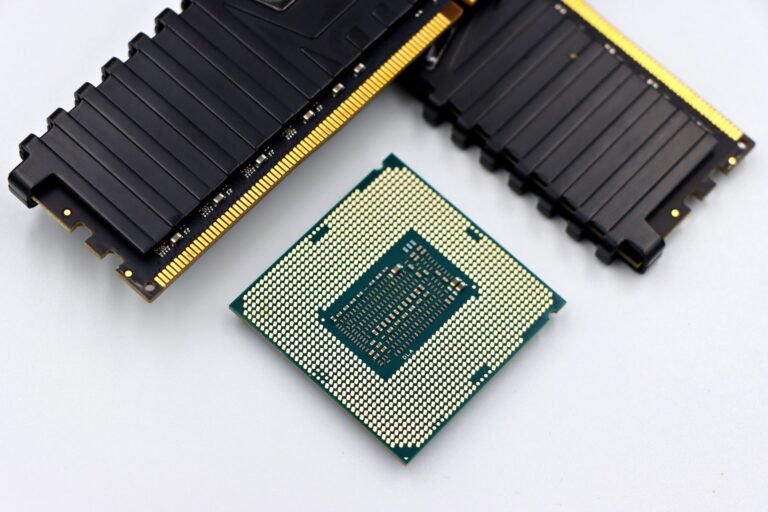
A phone’s chipset, the main processor that handles every game and app, decides whether popular competitive titles run smoothly at high settings or stutter through critical moments. Look for recent mid-to-flagship silicon with strong single-core performance, since most mobile games lean on a single fast core more than spreading across many cores. Pair that with attention to thermal design: a phone that throttles, meaning it intentionally slows the processor to control heat, after ten minutes of play is worse than one that stays cool under sustained load.
Display Refresh Rate and Touch Sampling
Refresh rate, measured in hertz (Hz), describes how many times per second the screen redraws the image. A 120 Hz panel feels dramatically smoother than a 60 Hz one during fast pans in shooters or racers. Touch sampling rate (how often the screen checks for finger input) matters almost as much; higher numbers mean taps and swipes register with less delay. Both specs together decide whether on-screen controls feel responsive enough to compete against pad players.
Battery Life and Charging Speed
Gaming drains power fast, especially with high refresh rates and bright displays enabled. Look for batteries in the 4500 to 5000 mAh range for a comfortable full day of mixed play, plus reasonably quick wired charging so a short top-up between sessions is enough to push through a long evening. Wireless charging speed is a smaller bonus for casual use but rarely critical for active gamers.
Storage and Expandability
Modern games can exceed 10 GB each, so internal storage fills quickly. 256 GB is a comfortable floor, while 512 GB gives breathing room for big libraries. Some Android phones accept microSD cards, a small removable memory card that adds storage cheaply, but app performance from external cards tends to lag behind internal storage, so heavier titles still benefit from built-in space.
Software Support and Ecosystem
Long software support means security patches and new Android versions keep arriving for years. Phones with three or more years of promised updates age better, especially for gamers who keep devices for multiple hardware generations. Consider also how well the phone pairs with your preferred accessories, whether that’s a clip-on controller, a tablet grip, or wireless earbuds.
Key Considerations Across These Picks
Pitfalls Shoppers Hit
A common trap is chasing raw benchmark numbers, which are synthetic performance scores from lab tests that don’t always translate to real gaming. A phone with a flashy score can still throttle under load, run hot during long sessions, or ship with a display that washes out at low brightness. Reading independent thermals reviews and watching sustained-play videos gives a more honest read than a single peak score. Another slip is ignoring ergonomics: a phone that benchmarks well but slips out of sweaty hands during a tense fight does no favors.
Where The Extra Money Goes
Stepping up to a Pro model in this list buys a telephoto camera, tougher build materials, and typically better sustained thermals. The storage upgrade to 512 GB costs more but eliminates the daily anxiety of juggling installed titles. For shoppers who lean heavy on offline play or capture clips, that storage bump often justifies itself within the first month. Color and finish choices cost no extra, so style preference alone shouldn’t drive a Pro upgrade. The honest case for spending up is camera reach and thermal headroom, not aesthetics.