
Finding a fast phone without spending a fortune is a real puzzle. I know because I’ve talked through the tradeoffs with friends who want smooth 5G speeds for streaming, gaming, and maps without paying flagship money. The good news: the cheap 5G phones category has quietly gotten much better, and there are genuinely capable options sitting at modest prices.
I put this guide together to help anyone shopping on a tighter budget figure out where the real value sits. Each pick below targets a specific type of user, from heavy mobile gamers to people who just want a reliable daily driver that won’t choke on group photos.
How The Shortlist Stacks Up

Xiaomi Poco X7 PRO 5G 512GB + 12GB (Black)

Samsung Galaxy S26 Ultra 5G 256GB (White)

Samsung Galaxy S25 Ultra 512GB (Titanium Whitesilver)

Xiaomi Poco X7 PRO 5G 256GB + 8GB (Black)

Xiaomi Poco X8 PRO 5G 512GB + 8GB (Black)
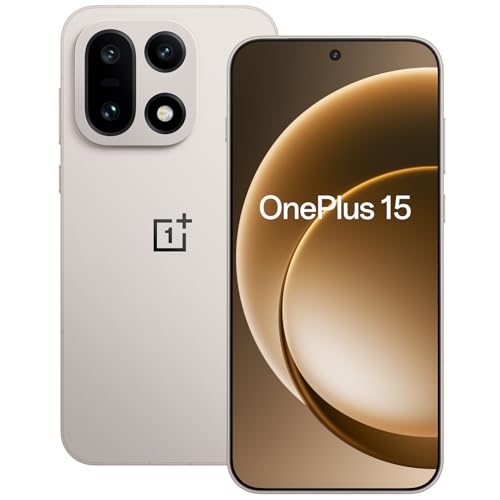
OnePlus 15 Dual-SIM 512GB + 16GB (Sand Storm)
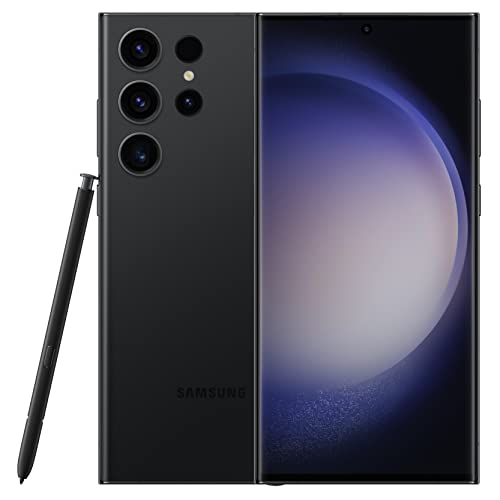
Samsung Galaxy S23 Ultra 512GB (Phantom Black)
Inside Each Recommended Option
This is the kind of phone I point friends toward when they tell me they play Genshin Impact on their commute. With 12GB of RAM and 512GB of storage, the Poco X7 PRO gives games and apps plenty of breathing room, and the dual-SIM layout means travelers can keep a home line and a local data SIM running together without juggling phones.
The 6.67-inch display gives plenty of screen for split-screen work, and NFC support covers contactless payments. Owners should note this model is built for GSM networks, so Verizon and AT&T compatibility is limited. It’s a focused tool, not a universal one.
Why It Works Well
- 12GB of RAM keeps heavy games and many browser tabs running smoothly at once.
- 512GB of internal storage holds a large game library plus a deep photo archive.
- The 50MP main camera captures detailed daylight shots, useful for travel and food photos.
- Sub-6 5G coverage on common bands means faster downloads where T-Mobile and its sub-brands have signal.
- Dual SIM support is genuinely handy for separating work and personal lines.
Things To Consider
- There’s no microSD slot, so the storage you buy is the storage you live with.
- GSM-only design rules out Verizon and AT&T SIMs in the US market.
Key Specs
Made For
Mobile gamers and power shoppers on T-Mobile or Mint who want maximum RAM and storage without stepping into flagship pricing.
Swap It Out When
The Xiaomi Poco X8 PRO 5G 512GB + 8GB suits shoppers who want a slightly newer chipset with broader 5G band support.
The S26 Ultra carries genuine flagship DNA, including a 6.9-inch Dynamic AMOLED 2X display running at 120Hz, which is the kind of panel that makes scrolling through long Reddit threads feel oddly satisfying. Combined with the Snapdragon 8 Elite Gen 5 chipset and 12GB of RAM, this phone handles heavy creative apps without flinching.
For shoppers coming from an older Galaxy, the upgrade in everyday speed is noticeable right away, and the quad-HD+ resolution means text and icons stay crisp. Just remember that the international model is optimized for T-Mobile coverage in the US, and international SIMs work freely abroad.
Notable Gains
- The Snapdragon 8 Elite Gen 5 delivers flagship-tier performance for gaming, video editing, and AI features.
- 120Hz Dynamic AMOLED 2X screen at quad HD+ makes scrolling and video exceptionally smooth.
- Android 16 out of the box keeps the software current for the foreseeable future.
- Factory unlocked design supports travel with international carriers.
Trade Offs
- US shoppers are limited to T-Mobile coverage; Verizon and AT&T SIMs may not connect properly.
- Premium internal specs typically push the price well above mid-range options.
Right Fit For
Power shoppers who want top-tier specs and use T-Mobile at home, plus travelers who want a single phone that works on international carriers.
Reach For A Different Pick When
The Samsung Galaxy S25 Ultra 512GB suits anyone on Verizon or AT&T who needs broader US carrier compatibility.
This is the Samsung pick I lean toward for people who use their phone like a tiny workstation. The built-in S Pen turns the S25 Ultra into a quick sketchpad or a precise note-taker, and the AI-assisted camera features genuinely help in dim restaurants or concert lighting. The 5000mAh battery also means I don’t have to chase an outlet on long travel days.
The Snapdragon 8 Elite processor keeps everything snappy, and the US warranty gives US-based shoppers a bit more confidence. The Titanium Whitesilver finish resists fingerprints better than glossy options.
Real-World Strengths
- The built-in S Pen is genuinely useful for signing PDFs, marking up screenshots, and quick sketches.
- AI Night Mode pulls usable shots out of low-light situations like dimly lit bars.
- 5000mAh battery comfortably covers a full day of heavy mixed use.
- 512GB of storage handles a deep 4K video library without cloud reliance.
- One-year US warranty simplifies support for domestic shoppers.
Worth Noting
- The S Pen takes some getting used to for users coming from non-stylus phones.
- Large size can be awkward for people with smaller hands or tight pockets.
Feature Snapshot
Best Suited To
Creatives, students, and note-takers who want a stylus and AI camera features in one package, plus anyone who values a long-lasting battery.
Look Elsewhere When
The OnePlus 15 512GB + 16GB fits shoppers who prioritize raw RAM and a high-end chipset over stylus features.
This is the trimmed version of the X7 PRO, and for many shoppers it hits a smarter balance. The 256GB storage and 8GB of RAM still feel generous for everyday apps, and the chipset is the same one found in the higher-tier X7 PRO. For users who don’t need to install dozens of AAA games, the savings feel real.
The 6.67-inch screen and 50MP main camera carry over unchanged. I think of this as the practical sibling of the first pick: same gaming DNA, lighter footprint.
Good Reasons To Consider
- 8GB of RAM handles everyday multitasking and most current games smoothly.
- Same chipset as the higher-capacity X7 PRO, so performance stays strong.
- 50MP camera and NFC contact payments carry over from the pricier sibling.
A Few Limitations
- 256GB fills up faster for users who shoot lots of 4K video or hoard mobile games.
- GSM-only design still rules out Verizon and AT&T in the US.
- 8GB of RAM can feel tight when running heavy games alongside many background apps.
Quick Facts
Who Will Love This
Casual gamers and everyday users on T-Mobile or Mint who want X7 PRO performance with a friendlier storage tier.
Not Your Match When
The Xiaomi Poco X7 PRO 5G 512GB + 12GB better serves heavy multitaskers and gamers with large install libraries.
The Poco X8 PRO steps up the network coverage compared to its predecessor, adding more 5G bands in both SA (standalone) and NSA (non-standalone, meaning the 5G works alongside existing 4G infrastructure) modes. For shoppers who travel between cities with varying tower setups, that extra band coverage tends to mean more reliable 5G service in fringe areas.
The 6.59-inch display is slightly smaller than the X7 PRO siblings, which I actually like for one-handed use. Combined with 512GB of storage and 8GB of RAM, this sits in a comfortable middle ground.
Everyday Perks
- Broader 5G band support helps in areas where older models drop to 4G.
- 512GB of storage gives long-term room for photos, games, and downloads.
- 6.59-inch screen is a touch easier to handle than larger 6.67-inch panels.
- NFC, dual SIM, and 50MP main camera match the rest of the Poco lineup.
Honest Caveats
- 8GB of RAM is less generous than the X7 PRO 12GB variant for serious multitaskers.
- Still GSM-only for US shoppers, so Verizon and AT&T subscribers should look elsewhere.
Perfect Match For
Future-focused shoppers who want the latest 5G band coverage and ample storage at a mid-tier price.
A Better Fit Elsewhere
The Xiaomi Poco X7 PRO 5G 512GB + 12GB suits users who prefer more memory over newer network bands.
The OnePlus 15 is the spec sheet I recommend to anyone who keeps too many apps open at once. With 16GB of RAM and the Snapdragon 8 Elite Gen 5 chipset on a 3nm process (a smaller chip manufacturing size that translates to better power efficiency), it chews through heavy workloads, video editing apps, and high-frame-rate games without breaking a sweat.
The 6.78-inch LTPO AMOLED display (LTPO is a backplane technology that allows the screen to dynamically adjust its refresh rate for better battery life) hits 1B colors and a sharp 1272 x 2772 resolution, and the triple 50MP camera setup with periscope zoom (a folded-optics lens system that enables longer focal lengths without a thick body) gives real flexibility for travel photography.
Useful Strengths
- 16GB of RAM handles extreme multitasking and stays smooth for years of software updates.
- 50MP main, ultrawide, and periscope telephoto cover wide group shots to distant subjects.
- LTPO AMOLED display balances sharp visuals with efficient battery use.
- Android 16 with OxygenOS 16 stays close to a clean, fast interface.
Points To Note
- GSM-only, so Verizon and CDMA networks are off the table in the US.
- Premium internals come with a heavier body around 211 to 215 grams.
Core Details
Whose Shelf It Belongs On
Heavy multitaskers, mobile gamers, and travel photographers who want premium specs and dual-SIM flexibility on GSM networks.
Skip It When
The Samsung Galaxy S23 Ultra 512GB works better for shoppers on Verizon or AT&T who want a stylus and broader US carrier support.
The S23 Ultra has aged into that sweet spot where the price has dropped but the core experience still holds up beautifully. The 200MP main camera is the headline feature, and it genuinely shines in well-lit scenes, producing photos with room to crop. The S Pen also remains one of the best stylus implementations on any phone.
This is a previous-generation Galaxy flagship, so shoppers get Samsung polish, US-version carrier support, and 512GB of storage without paying current flagship prices. For someone moving up from a mid-range device, the leap in build quality and camera detail is substantial.
Real Benefits
- 200MP main camera produces highly detailed daytime photos with cropping flexibility.
- Built-in S Pen makes annotations and signature workflows feel natural.
- US-version model works across major US carriers, not just T-Mobile.
- 512GB of storage comfortably holds a deep media library.
Factors To Consider
- It’s an older generation, so future software updates will eventually wind down.
- Battery life is solid but typically trails newer Galaxy models under heavy load.
Spec Overview
Built With In Mind
Deal hunters who want Samsung flagship polish, stylus support, and US carrier compatibility at a lower cost than current flagships.
Where A Sibling Pick Shines
The Samsung Galaxy S25 Ultra 512GB fits shoppers who want newer AI features and a more current software support window.
What Matters Most Before Choosing Cheap 5G Phones
Carrier Compatibility Comes First
Cheap 5G phones often ship as international or GSM-only models, which means Verizon and AT&T subscribers can hit dead ends fast. Before anything else, confirm the exact model works on your carrier’s bands. T-Mobile, Mint, and Tello tend to play well with most unlocked Xiaomi and OnePlus models, while Samsung’s US versions usually cover all three major networks.
RAM and Storage Shape Daily Feel
For shoppers who live in apps like Gmail, Maps, and Spotify, 8GB of RAM is plenty. Power users running heavy games, video editors, or many browser tabs should look for 12GB or 16GB. Storage matters too: 256GB works for casual users, but anyone hoarding 4K video or large game installs will breathe easier with 512GB. Since many of these phones lack microSD slots, choosing the right storage tier up front saves headaches later.
Display Size and Refresh Rate
A 6.6-inch or larger screen feels comfortable for streaming and gaming. Higher refresh rates (the number of times the screen redraws per second, measured in hertz) like 120Hz make scrolling and animations feel smoother, though they draw a bit more battery. OLED or AMOLED panels (display types where each pixel emits its own light, giving deeper blacks and richer colors) generally look better than LCD at this price tier.
Battery and Charging Habits
Battery capacity is measured in milliampere-hours (mAh), and a 5000mAh cell is a reliable benchmark for all-day use under typical conditions. Phones with larger displays or higher refresh rates may benefit from bigger batteries. Charging speed matters less on budget picks unless you regularly top up between meetings.
Key Considerations Across These Picks
Common Shopping Slip Ups
The biggest mistake is buying based on raw specs without checking carrier bands. A phone with 12GB of RAM is useless if it can’t connect to your network at home. Another common pitfall is ignoring storage limits, since none of these models support memory cards, so the storage tier you pick is permanent. Finally, shoppers sometimes overlook the lack of a US warranty on international models, which can complicate returns and repairs.
What The Higher Tier Buys
Stepping up from a budget Poco to a OnePlus 15 or Samsung S-series brings tangible gains: faster chipsets for gaming and AI features, better camera systems with optical zoom, higher refresh-rate displays, and longer software support windows. For casual users, the jump may feel modest. For power users and creative hobbyists, the extra money typically pays back in smoother daily use and longer device lifespan.
Frequently Asked Questions
Are cheap 5G phones any good for gaming?
Yes, many budget 5G phones now use the same chipsets found in last year’s flagships, which is more than enough for popular mobile games. Pair the chipset with at least 8GB of RAM and you’ll have a smooth experience.
Do cheap 5G phones work with any carrier?
No, many cheap models are GSM-only or international variants optimized for T-Mobile and similar networks. Always check the supported bands against your carrier before buying.
How much storage do I really need?
For most users, 128GB is tight, 256GB is comfortable, and 512GB is future-proof. Since many phones in this category lack microSD support, picking the right tier up front matters more than usual.
What’s the difference between 5G Sub-6 and mmWave?
Sub-6 (sub-6 gigahertz) 5G covers most everyday use with broader range and decent speeds. mmWave (millimeter wave) is faster but has very short range and limited deployment, so few budget phones bother with it.
Is a stylus worth it on a phone?
If you take handwritten notes, sign PDFs, or sketch on the go, an S Pen turns a phone into a real productivity tool. For everyone else, it’s a feature you may rarely touch.
Wrap Up
The right cheap 5G phone comes down to matching your carrier, your storage needs, and how hard you push the device daily. For gaming-focused shoppers, the Poco X7 PRO 512GB stands out. For broader US carrier support with stylus polish, the S23 Ultra remains a strong pick. Match the strengths to your habits, and the rest tends to fall into place.