
Shopping for a new phone on a tight budget feels harder than it should be. Every listing screams about cameras and screens, but most shoppers I talk to really want three things: a phone that won’t feel sluggish in a year, one that fits how they actually use it, and a price that doesn’t sting. I pulled together eight options worth a serious look for anyone watching their wallet without wanting to settle for a frustrating daily driver.
A Fast Comparison Of The Options

Samsung Galaxy S26 Ultra Unlocked Android Smartphone 512GB
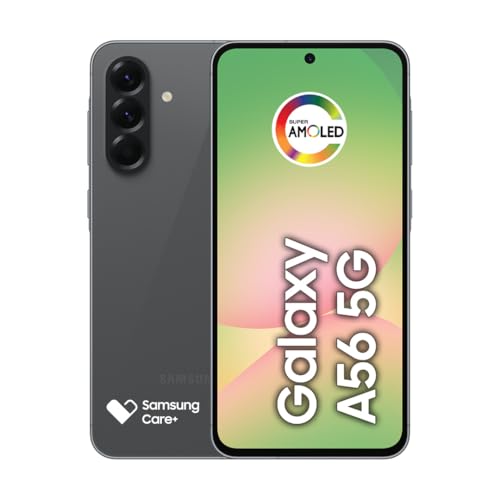
Samsung Galaxy A56 5G 128GB Dual SIM Graphite

Google Pixel 11 Unlocked Smartphone 256GB Obsidian

Google Pixel 11 Unlocked Smartphone 256GB Hibiscus

Google Pixel 11 Unlocked Smartphone 512GB Frost

Google Pixel 11 Pro Unlocked Smartphone 256GB Obsidian

Google Pixel 11 Pro Unlocked Smartphone 256GB Olive

Google Pixel 11 Pro XL Unlocked Smartphone 256GB Canyon
More On The Choices That Made The List
The Samsung Galaxy S26 Ultra sits at the top of this list because it pulls together the kind of features power users care about: a massive 512GB of built-in storage, an unlocked body that drops onto most major carriers, and Samsung’s deeper Galaxy AI integration for editing photos and managing notifications.
Compared to the budget-friendly Galaxy A56 that follows it, the S26 Ultra brings a noticeably more capable camera system and longer software support windows. For anyone who edits video on the go, juggles dozens of apps, or simply hates running out of space, the storage headroom alone justifies a closer look.
Useful Highlights
- 512GB of internal storage means most people won’t need a memory card for years of photos and apps.
- Unlocked design works across most major US carriers and global networks.
- Galaxy AI tools help with quick photo edits and on-device translations.
- A privacy display can be set to hide notifications from people sitting nearby on the train or in a meeting.
Things To Consider
- It’s a large phone, so anyone with smaller hands may struggle to reach the top of the screen one-handed.
- Premium-tier Samsungs tend to cost more than midrange options, so the value case depends on actually using the extra features.
Key Specs
Who It Suits Best
Heavy multitaskers, mobile photographers, and anyone keeping a phone for three or more years will feel right at home here.
Where Another Pick Suits Better
Shoppers who just want a reliable daily phone without the premium tier should look at the Samsung Galaxy A56 5G instead.
The Galaxy A56 5G is the phone I keep recommending to friends who want a modern Android without paying flagship money. The 6.7-inch AMOLED display with a 120Hz refresh rate (meaning the screen redraws 120 times per second for smoother scrolling) is a treat at this tier, and IP67 water resistance protects against accidental splashes and brief dunks.
It’s listed as an international factory-unlocked model, so it works with T-Mobile and many global carriers out of the box. Where the S26 Ultra leans premium, this A56 focuses on everyday essentials done well.
Practical Pluses
- The 120Hz AMOLED display makes scrolling social feeds and web pages feel noticeably smoother than older budget screens.
- IP67 rating handles rain, spills, and the occasional drop in the sink.
- 25W fast charging fills the battery faster than older Samsung midrange phones.
Worth Noting
- This is an international model, so buyers on AT&T or Verizon should double-check band compatibility before committing.
- The 128GB storage fills up fast with high-res video, though owners can manage with cloud backups.
Who It Suits Best
Budget-conscious shoppers on T-Mobile or GSM carriers who want a smooth screen and water resistance without overspending.
Look Elsewhere When
Anyone who needs the largest storage or the most advanced camera should consider the Samsung Galaxy S26 Ultra higher on this list.
The Pixel 11 in Obsidian is the Android pick I’d hand to anyone who values clean software and a reliable camera. Google’s Gemini assistant runs through the whole interface, helping with summaries, translations, and photo edits that actually save time rather than feel like a gimmick.
Coming from the Samsung duo above, the Pixel offers a more streamlined Android experience with faster direct updates from Google. The matte back and slimmer camera bar feel modern without trying too hard.
Notable Upsides
- 256GB storage handles most people’s photo and app libraries without constant cleanup.
- Gemini integration offers contextual help across apps, which busy professionals tend to appreciate.
- The matte back finish resists fingerprints better than glossy alternatives.
Trade Offs
- Pixel phones can run warmer under heavy gaming loads compared to some Snapdragon competitors.
- Some carrier-specific features (like Wi-Fi calling on certain networks) may behave differently than on a carrier-locked model.
Feature Snapshot
Made For
Android purists, casual photographers, and anyone who relies on a smart assistant for daily tasks will find this Pixel easy to live with.
Consider Something Else When
Power users who need the absolute largest display should step up to the Google Pixel 11 Pro XL covered later in this list.
The Hibiscus version of the Pixel 11 is the same phone as the Obsidian model reviewed just above, finished in a softer pink shade that stands out from the usual black slab. For shoppers who treat their phone as a personal accessory, that color difference genuinely matters.
Inside, nothing changes: same 256GB storage, same Gemini smarts, same camera system. It’s a straightforward way to get the Pixel experience with a more expressive finish.
What Works In Its Favor
- The Hibiscus finish adds personality without resorting to a flashy gradient or gimmick texture.
- Same 256GB storage and Gemini features as the Obsidian model, so no functional compromise.
Minor Gripes
- Lighter colors can show dye transfer from denim pockets more visibly than darker finishes.
- Color choice rarely matters, but resale value tends to favor neutral finishes.
Best Suited To
Style-focused everyday users who want the Pixel experience without the standard black or gray finish.
A Better Fit Elsewhere
Shoppers prioritizing performance over aesthetics should look at the Google Pixel 11 Pro Obsidian instead.
The Frost-colored Pixel 11 doubles down on storage, packing 512GB where the earlier Pixels in this list offered 256GB. For people who keep full-resolution videos on-device or download large games, that headroom removes a common annoyance.
The pale Frost finish sits between the bold Hibiscus and the safe Obsidian, giving a clean look without disappearing in a crowd. It’s the storage variant that makes the most sense for long-term keepers.
What Stands Out
- 512GB storage comfortably handles years of 4K video and large game installs.
- Frost finish offers a neutral, modern look that hides smudges well.
- Same Gemini features and software support as the smaller-storage Pixels.
Points To Keep In Mind
- Higher storage variants typically cost more, so this only makes sense if you’ll actually use the space.
- The smooth back can be slippery without a case, a common issue reported across recent Pixel generations.
Technical Highlights
Perfect Match For
Heavy media users, mobile gamers, and anyone who keeps their phone three years or longer will appreciate the breathing room.
Skip It When
Light users who mostly stream music and video will do fine with the 256GB Pixel 11 Obsidian and save some money.
The Pixel 11 Pro steps things up from the standard Pixel 11 with Google’s more advanced camera system and a tougher build. Google markets it as the most durable Pixel Pro yet, with materials chosen for everyday drop protection.
It’s available in two display sizes (6.3″ and 6.8″), giving shoppers a real choice between one-handed comfort and larger-screen enjoyment. Where the standard Pixel 11 is a great daily driver, the Pro is built for people who lean on their phone for work and creativity.
Strong Points
- The Pro camera system captures noticeably better low-light and zoom shots than the base Pixel 11.
- Enhanced durability helps the phone survive the kind of fumbles that crack lesser handsets.
- Two screen sizes let shoppers prioritize compact handling or immersive viewing.
A Few Limitations
- Pro-tier Pixels tend to demand more from your wallet than the base models.
- Some advanced camera features rely on Google’s cloud processing, which requires a connection for full speed.
Feature Card
Whose Shelf It Belongs On
Mobile creators, frequent travelers, and anyone who treats their phone as a primary camera will appreciate what the Pro adds.
Another Choice May Suit
Shoppers who want Pro features on a bigger canvas should look at the Google Pixel 11 Pro XL covered below.
The Olive version of the Pixel 11 Pro delivers the same Pro-level camera, durability, and Gemini features as the Obsidian model, wrapped in a muted green finish that feels more grown-up than loud. It’s the upgrade pick for anyone ready to leave the standard Pixel behind.
Like the other Pixel 11 Pro, it comes in 6.3″ and 6.8″ screen sizes. The Olive colorway appeals most to shoppers who like a distinctive phone without resorting to flashy cases.
A Favorable Mix
- The Olive finish reads as distinctive without feeling trendy or dated quickly.
- Same Pro camera system and Gemini smarts as the Obsidian variant, so no feature gap.
- Tougher build materials handle daily drops better than the standard Pixel 11.
Softer Spots
- Olive is a more polarizing color choice, which can matter for resale down the road.
- Pro pricing still applies, so buyers pay a premium over the base Pixel 11.
The Right Fit
Upgraders coming from an older phone who want Pro-level hardware with a more unique finish will feel right at home.
Not Your Match When
Shoppers who prefer a neutral or classic look should pick the Google Pixel 11 Pro Obsidian reviewed above.
The Pixel 11 Pro XL wraps the Pro camera and build into the larger 6.8″ display option, finished in a warm Canyon tone that feels approachable. For shoppers who stream a lot of video, read on their phone, or just prefer a bigger canvas, this XL delivers without forcing them to leave the Pixel lineup.
It carries the same Gemini smarts as the smaller Pro, so the software experience stays consistent. The XL is essentially the Pro scaled up for people who want maximum screen real estate.
Everyday Wins
- The 6.8″ screen makes long reading sessions and video binges more comfortable.
- Canyon color offers a warm, distinctive look without leaning too bold.
- Pro camera and Gemini features match the smaller Pixel 11 Pro variants.
Honest Caveats
- Larger phones are harder to use one-handed, especially for folks with smaller hands.
- Bigger screens typically use more battery, so heavy users may notice shorter days between charges than with the smaller Pro.
Who Should Grab It
Streaming fans, readers, and anyone who routinely uses their phone for navigation or video calls will love the extra screen space.
Reach For A Different Pick When
Shoppers who want a more compact daily carry should choose the standard Google Pixel 11 Pro Obsidian instead.
What Matters Most Before Choosing Cell Phones Under 200
Storage And How You’ll Really Use It
Storage sounds boring until your phone refuses to take one more photo. Most modern apps comfortably eat 1GB to 3GB each, and high-res videos can fill 5GB per hour. For light users who mostly stream and message, 128GB is usually plenty. For people who keep years of photos on-device or download big games, 256GB or 512GB removes a lot of friction. Match storage to your actual habits rather than chasing the biggest number.
Display Size And Daily Comfort
A bigger screen looks great in the store, but it changes how a phone fits in your pocket, your hand, and your daily routine. Screens around 6.7″ and up are wonderful for video and reading, but they demand two hands more often. Compact phones (closer to 6.1″ to 6.3″) are easier to manage one-handed and slip into smaller pockets. Pick the size that matches how you actually carry and use your phone.
Carrier Compatibility And Network Bands
Unlocked phones give flexibility, but not every unlocked model works on every carrier. Phones listed as international models (like the Samsung Galaxy A56 5G here) often work fine on T-Mobile and GSM networks, while some US-specific features on AT&T or Verizon may need extra checking. Before committing, confirm the bands match your carrier, especially if you travel or switch often.
Software Support And Long-Term Value
A phone that stops getting updates becomes a security risk. Google and Samsung both promise multi-year software support on newer models, which directly affects how long the phone stays safe and functional. For shoppers keeping a phone three years or more, software support matters more than any single hardware spec.
Key Considerations Across These Picks
Common Shopping Slip Ups
One mistake I see often is picking a phone based purely on megapixel counts or screen size, then discovering the carrier bands don’t match the network at home. Another is ignoring software support, only to find the phone stops getting updates within two years. Always check band compatibility with your carrier, and look at how long the manufacturer promises updates before committing.
Where The Extra Money Goes
Higher-tier phones like the Samsung Galaxy S26 Ultra or the Pixel 11 Pro models cost more because they bundle better camera hardware, tougher build materials, more storage, and longer software support windows. For shoppers who actually use those features (mobile photography, long phone lifespans, heavy multitasking), the upgrade pays off. For everyone else, a well-chosen midrange phone like the Galaxy A56 5G or the standard Pixel 11 covers daily needs without the extra cost.
Frequently Asked Questions
Are unlocked phones reliable for everyday use?
Yes, modern unlocked phones work reliably on most major carriers, especially when the bands match the network. The flexibility to switch carriers or travel internationally often outweighs the minor setup steps some carriers require.
How much storage do most people really need?
For most people, 128GB handles years of casual photos and apps if you back up to the cloud. Anyone keeping large video libraries or heavy games on-device will appreciate 256GB or more.
Do budget phones still get software updates?
Newer budget and midrange phones from Samsung and Google typically promise several years of software and security updates. Always check the manufacturer’s stated support window before buying.
What’s the real difference between a Pixel and a Galaxy?
Pixels run a clean, Google-led Android experience with faster direct updates, while Galaxies offer Samsung’s One UI with deeper hardware features and wider carrier compatibility. Both are solid; the choice comes down to which ecosystem feels more natural.
Is a Pro phone worth it over the base model?
Pro phones usually upgrade the camera system and build quality more than raw speed. They’re worth it for mobile photographers and frequent travelers, but most casual users won’t notice the difference in daily use.
Wrap Up
The right phone is the one that fits your hand, your carrier, and your daily habits, not the one with the loudest spec sheet. Whether the priority is a premium powerhouse like the Samsung Galaxy S26 Ultra, a balanced midrange pick like the Galaxy A56 5G, or a clean Android experience from any of the Pixel 11 variants, the eight options above cover the most common paths. Take a moment to think about what you’ll actually use, and the right match usually becomes obvious.