
I spend a lot of time comparing phones because the gap between a flagship slab and a budget device keeps shrinking in surprising ways. This list mixes folding screens, rugged builds, and mainstream flagships so you can match hardware to the way you actually live. I leaned on specs, repair ecosystems, and real-world trade-offs to keep the recommendations honest.
The Choices Worth Comparing

Xiaomi Poco X7 PRO 5G + 4G LTE (512GB + 12GB) 6.67″ 50MP Dual Sim
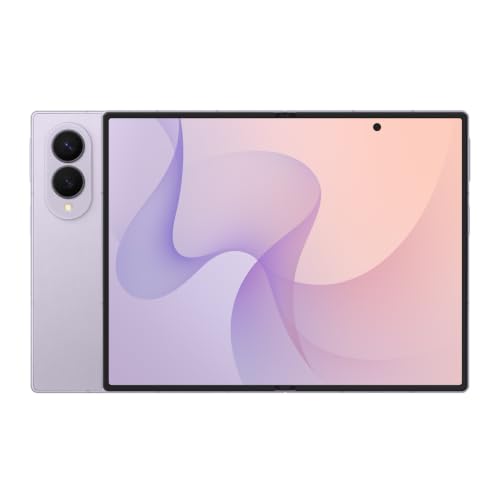
Samsung Galaxy Z Fold8, 512GB Lavender

Samsung Galaxy S26 Ultra 5G (International) 256GB / 12GB

Samsung Galaxy Z Flip8, 256GB Graphite

Samsung Galaxy Z Flip8, 256GB Cream

Samsung Galaxy Z Fold8 Ultra Phone, 256GB Violet Shadow
Samsung Galaxy Z Fold8, 256GB Lavender

Samsung Galaxy Z Fold8 Ultra Phone, 256GB Graphite

Samsung Galaxy Z Fold8 Ultra Phone, 256GB Cream

Blackview Rock 5 Rugged Phone Android 16 20000mAh 6.78″ FHD 120Hz
Meet The Standout Selections
The Poco X7 PRO lives in a strange corner of the market: cheap enough for students, but built around a 12GB RAM pool and 512GB of storage that you’d normally see on a flagship. Pair that with a 6.67-inch display and a 50MP main camera, and you’ve got a phone that takes mobile gaming, multitasking, and casual photography seriously without crossing into premium pricing territory.
The catch with this Xiaomi model is regional. It ships optimized for T-Mobile, Mint, and Tello in the US, plus any GSM carrier worldwide, so anyone on Verizon or AT&T will want to double-check coverage before committing. For T-Mobile subscribers hunting for raw performance per dollar, though, the math is hard to argue with.
Strengths Worth Knowing
- 12GB RAM keeps dozens of apps alive, which matters for gamers and people who bounce between chats, browsers, and games.
- 512GB internal storage leaves room for large game installs and 4K video without forcing a cloud subscription.
- Dual SIM lets travelers pop in a local data SIM abroad while keeping their home number active.
- 50MP main camera pulls enough detail for social posts and everyday prints.
- NFC support makes contactless payments and transit cards work out of the box.
Things To Consider
- No microSD slot, so the 512GB ceiling is a hard ceiling for anyone planning years of media hoarding.
- US compatibility is narrower than carrier-flexible flagships; verify your plan before checkout.
Who It Suits Best
Mobile gamers and power users on T-Mobile-family carriers who want flagship-class storage without flagship pricing.
Consider Something Else When
The Samsung Galaxy Z Flip8 in Graphite suits shoppers who’d rather have a folding form factor and a more polished software experience than raw specs.
The Galaxy Z Fold8 in Lavender takes Samsung’s book-style foldable and leans into immersion. Unfolded, it gives you a tablet-sized canvas for movies and long-form reading. Folded, it closes into a phone that still feels normal in a coat pocket. The 512GB storage tier is the one most shoppers eyeing this form factor actually want.
Compared with the Galaxy Z Fold8 Ultra further down this list, this standard Fold8 feels a bit lighter in the hand and easier to use one-handed when closed. For anyone upgrading from a slab phone who wants a single device that replaces both phone and tablet, this Lavender version is the most balanced entry point in the lineup.
Strong Points
- Tablet-sized inner screen makes long reading sessions and split-view multitasking genuinely useful.
- 512GB capacity handles large media libraries without forcing early storage cleanups.
- Folding form factor replaces a separate tablet for travelers and commuters.
Points To Keep In Mind
- Premium price tier compared to traditional flagships like the Galaxy S26 Ultra.
- Folding displays need slightly more careful handling than flat glass slabs.
Quick Facts
Made For
Frequent travelers and content readers who want a single device for phone calls and tablet-grade viewing.
Skip It When
The Galaxy Z Flip8 in Cream fits shoppers who want a more compact flip-style fold that disappears into smaller pockets and handbags.
The Galaxy S26 Ultra 5G is the slab phone that power users keep coming back to. The international SM-S948B variant ships factory unlocked, so it travels well, but in the US it runs on T-Mobile coverage. Pair that with the Snapdragon 8 Elite Gen 5 chipset and a 6.9-inch AMOLED at 120Hz, and you’ve got a phone that handles long gaming sessions and 4K video without flinching.
The 256GB storage tier and 12GB RAM are the practical sweet spot for most people, large enough for creators who shoot a lot of video, modest enough to keep the price reasonable. Android 16 means the software is current, and the Quad HD+ resolution keeps text crisp even at small font sizes. Versus the Fold8 family, this is the pick for shoppers who prefer one solid slab over a folding hinge.
Notable Upsides
- Top-tier Snapdragon chipset means years of smooth performance for demanding apps.
- Quad HD+ AMOLED display makes reading, video, and photo editing noticeably sharper.
- 12GB RAM supports heavy multitasking and future Android updates comfortably.
Trade Offs
- US shoppers limited to T-Mobile coverage on this international version.
- Larger 6.9-inch frame is harder to manage one-handed than the Flip8.
Right Fit For
Power users, mobile photographers, and creators who want flagship specs in a traditional slab body.
A Better Fit Elsewhere
The Xiaomi Poco X7 PRO suits gamers who’d rather spend the savings on storage and RAM than a flagship slab with carrier limits.
The Galaxy Z Flip8 in Graphite is what you reach for when pocket space matters more than screen size. Folded, it disappears into small bags and jacket pockets. Unfolded, you get a normal-sized smartphone with a cover screen that handles quick replies, music control, and camera previews without ever opening the phone.
Graphite is the safer choice for shoppers who don’t want a phone that shouts for attention, and 256GB is plenty for most people who lean on cloud storage for photos. Compared with the Fold8 family, this is the everyday-carry option: lighter, less expensive, and easier to use one-handed on a crowded subway.
What Pays Off
- Compact folded footprint fits pockets and small crossbody bags easily.
- Cover screen lets you triage notifications without flipping the phone open.
- 256GB storage balances price and space for typical photo-and-app users.
Worth Bearing In Mind
- Smaller battery than the S26 Ultra means heavier users will recharge before bed.
- Flip hinge adds one more point to watch compared with a traditional slab.
Best Suited To
Style-first commuters who want a phone that takes up less pocket real estate without giving up modern features.
Not Your Match When
The Galaxy Z Fold8 Ultra in Violet Shadow fits shoppers who prefer a larger unfolded canvas for split-screen multitasking instead of a compact flip.
The Cream version of the Galaxy Z Flip8 is the same hardware as the Graphite model above, just dressed in a softer finish. For shoppers who pick a phone case to match their wallet, this neutral tone reads more like an accessory than a gadget. It’s the small choice that ends up mattering every time you pull the phone out at a café or meeting.
The internal hardware story is identical: 256GB of storage, the Flip8 cover-screen experience, and Samsung’s authorized service network behind it. The honest read is that color choice here is purely aesthetic, but for the audience who cares about that finish, this is the variant worth reaching for.
The Value In It
- Soft cream finish pairs easily with leather cases and neutral accessories.
- Same 256GB and Flip8 hardware as darker variants, no trade-off for the color.
- Foldable design keeps the cover screen useful for at-a-glance replies.
Honest Caveats
- Lighter finish may show denim-transfer stains more visibly than the Graphite version.
- Flip form factor still requires slightly more care than a sealed slab in pockets with keys.
Feature Snapshot
Perfect Match For
Style-conscious shoppers who want a flip phone that complements a neutral wardrobe and minimalist accessories.
Look Elsewhere When
The Galaxy Z Flip8 in Graphite is the better pick for shoppers who prefer a stealthy finish that hides smudges and pocket wear.
The Galaxy Z Fold8 Ultra in Violet Shadow is the productivity flagship of Samsung’s foldable lineup. The “Ultra” tag earns its keep with an expansive inner screen that supports up to three apps at once, plus AI suggestions that try to predict which combination of windows you’ll actually need next. It’s the closest thing Android has to a pocket workstation.
Violet Shadow is a deeper, more grown-up finish than the standard Fold8’s Lavender. Compared with the regular Fold8, the Ultra leans into heavier use cases: long email threads, side-by-side translation, and design reviews on the go. For shoppers who actually use split-screen daily, this is where the Fold form factor pays for itself.
The Helpful Details
- Three-app split-screen turns the inner display into a pocket workstation.
- AI app suggestions reduce setup friction when switching between workflows.
- Violet Shadow finish feels distinct from typical black or white slabs.
Small Caveats
- Heavier and thicker than the standard Fold8 or any slab flagship.
- Premium pricing may stretch beyond what casual users actually need.
Who Should Grab It
Productivity-focused professionals who genuinely work across multiple apps and want one device that replaces phone and laptop-tablet.
Swap It Out When
The Samsung Galaxy S26 Ultra suits shoppers who want maximum screen quality without the bulk and learning curve of a foldable hinge.
The 256GB Galaxy Z Fold8 in Lavender is essentially the lighter, simpler sibling to the 512GB version reviewed earlier. Same folding display, same content-first design philosophy, just a more modest storage tier for shoppers who lean on cloud photo libraries and don’t keep terabytes of video on-device.
Lavender here reads as a soft pastel compared with the bolder Violet Shadow on the Ultra. For commuters who spend more time reading and watching than they do multitasking across three apps, the standard Fold8 with 256GB is the more balanced choice. Versus the Flip8 family, it’s still a book-style fold, so the trade-off is weight and thickness in exchange for that larger inner canvas.
Where It Helps
- Lighter than the Ultra version, easier for one-handed use when folded.
- 256GB storage keeps the price closer to mainstream flagship territory.
- Same inner-screen content experience as the higher-capacity sibling.
Less Ideal Details
- 256GB ceiling limits offline video collections for long flights.
- Folding form factor still commands a price premium over slab phones.
Whose Shelf It Belongs On
Content-first shoppers who watch a lot of video and read on their phone but don’t need the Ultra’s three-app workflows.
Reach For A Different Pick When
The Galaxy Z Fold8 Ultra in Violet Shadow better serves professionals who genuinely need three-app multitasking on a daily basis.
The Graphite version of the Galaxy Z Fold8 Ultra takes the same pocket-workstation hardware and dresses it in the most business-appropriate finish in the lineup. For professionals pulling this phone out in client meetings, Graphite reads more like a notebook than a fashion statement. The 256GB tier keeps things reasonable for users who offload archives to the cloud.
Functionally, this is the same Ultra as the Violet Shadow model: three-app split-screen, AI app suggestions, and the expansive inner display. The trade-off is purely aesthetic, which is exactly what most office-and-after-hours shoppers want. It’s the rare foldable that looks at home in a suit pocket.
The Practical Payoff
- Graphite finish fits professional settings without drawing extra attention.
- Same Ultra three-app workflow as the bolder color variants.
- 256GB storage tier strikes a balance between capacity and price.
Worth Noting
- Ultra body is heavier than the standard Fold8 or any Flip8.
- Cloud storage may become necessary for users with heavy local media libraries.
Right Fit For
Office professionals who want foldable productivity in a finish that pairs with business attire and laptop bags.
Another Choice May Suit
The Galaxy Z Fold8 in Lavender fits shoppers who want the same book-style fold in a softer, more casual color palette.
The Cream Galaxy Z Fold8 Ultra rounds out the lineup with a softer neutral finish for shoppers who want Ultra productivity without the bolder Violet Shadow or business-first Graphite. It’s the color you pick when you use the phone constantly: in cafés, on planes, in coworking spaces, and the finish matters because the phone is always out.
The hardware story is unchanged from the other Ultra models: large inner display, three-app multitasking, and AI workflow suggestions. Cream simply gives frequent users one more option that feels personal rather than corporate. For travelers splitting time between work apps and entertainment, this finish ages well with leather and canvas accessories.
What Helps Most
- Cream finish pairs naturally with neutral travel bags and accessories.
- Ultra multitasking suits daily commutes and long-haul travel alike.
- 256GB capacity covers typical work apps, music, and offline documents.
Minor Gripes
- Lighter finish may show wear along the hinge edge over months of use.
- Ultra weight still noticeable compared with slab flagships.
Feature Rundown
Built With In Mind
Daily commuters and frequent travelers who want Ultra multitasking in a finish that fits a personal, always-out lifestyle.
Where A Sibling Pick Shines
The Galaxy Z Fold8 Ultra in Graphite suits shoppers who prefer a stealthier finish that hides the inevitable scuffs of heavy daily use.
The Blackview Rock 5 is a different animal entirely. The 20,000mAh battery is the largest in any rugged flagship right now, which is why campers, overlanders, and worksite crews keep ending up on Blackview’s product page. Add a built-in camping lantern, a 108MP main camera plus night vision, and IP-rated rugged construction, and you’ve got a phone that’s designed to leave the house.
The 6.78-inch FHD display at 120Hz is sharper than most rugged phones, and the 33W fast charging helps recover from that massive battery faster than you’d expect. The honest trade-off is bulk: this phone is heavy and thick by everyday standards. For shoppers who actually spend time off-grid, though, the trade is more than worth it. It’s also the only pick on this list with 5W reverse charging, so it can top up smaller devices in a pinch.
Advantages To Know
- 20,000mAh battery delivers days of use between charges for outdoor trips.
- Built-in camping lantern removes one more thing from the pack list.
- Night vision camera is genuinely useful for trail use and worksite inspections.
- Reverse charging turns the phone into an emergency power bank for smaller devices.
- Rugged construction tolerates dust and drops that would retire a typical slab.
Room For Improvement
- Bulky frame is uncomfortable in dress-shirt pockets or small handbags.
- Helio G100 chipset trails the Snapdragon chips in the flagship picks above for raw speed.
- Reverse charging at 5W is slow for topping up larger devices like tablets.
Quick Technical Notes
Who Will Love This
Campers, overlanders, and worksite crews who need a phone that survives days off-grid without a charger.
A Better Fit Elsewhere
The Galaxy Z Flip8 in Graphite better suits shoppers who want a pocket-friendly everyday phone rather than a rugged off-grid companion.
Picking The Right Android Phone For Your Routine
Shopping for an Android phone in 2026 means balancing form factor, ecosystem, and the kind of daily friction you can actually tolerate. The picks above split into three broad categories: traditional slabs, foldables, and rugged specialty builds. Each trade-off shapes the experience more than any single spec sheet does.
Form Factor And Daily Carry
Slab phones like the Galaxy S26 Ultra give you a single, durable touchscreen that fits every pocket and case ecosystem. Foldables split into two philosophies: book-style Folds like the Z Fold8 family offer a tablet-sized inner canvas for reading and split-screen work, while flips like the Z Flip8 prioritize compact carry. The right choice depends on which trade-off annoys you more: weight and thickness, or a smaller unfolded screen.
Performance, Storage, And Software Longevity
Chipset choice determines how long a phone stays smooth under new Android updates. The Snapdragon 8 Elite Gen 5 in the S26 Ultra is the top-tier option here, and 12GB of RAM is the new comfortable minimum for shoppers who keep dozens of apps open. Storage tiers matter more than people expect: 256GB handles typical users, while 512GB fits creators who shoot a lot of 4K video. The Poco X7 PRO is the outlier with massive storage at a budget price, but the chipset trade-off is real.
Repair, Carrier, And Long-Term Ownership
Foldables need slightly more care than sealed slabs, which is why Samsung’s authorized repair network matters. International versions like the S26 Ultra SM-S948B often deliver stronger hardware for the price, but US shoppers may find their carrier options narrowed to T-Mobile. Rugged phones like the Blackview Rock 5 are the easiest to live with physically, but the bulk rules them out for office wardrobes. Match the phone to your actual routine rather than the spec sheet.
Key Considerations Across These Picks
Pitfalls Shoppers Hit
The most common mistake is chasing peak benchmark numbers while ignoring form factor. A Snapdragon flagship inside a heavy rugged body is wasted on someone who commutes in a blazer. The flip side is buying a beautiful foldable and then stuffing it into pockets full of keys, which is how hinge damage actually happens. The honest read is to match the phone to your daily carry habits first, and worry about specs second.
Why Top Tier Costs More
Premium foldables and Ultra-tier flagships cost more because they pack features most people won’t fully use: three-app multitasking, Quad HD+ displays, and authorized service networks with same-day screen repairs. The upgrade pays off when you actually split work across multiple apps daily, or when you want a phone that survives a fall without a case. For shoppers who mostly stream, message, and photograph, mid-tier picks like the Flip8 in Graphite handle the job without the price tag.
Frequently Asked Questions
Do foldable phones hold up to daily use in 2026?
Modern Samsung foldables use reinforced hinges and water-resistant designs that hold up to typical daily handling. Avoiding pocket debris like sand or keys still matters, but the hardware is far more durable than early folding generations.
Is an international Galaxy S26 Ultra worth it for US shoppers?
The international SM-S948B model runs on T-Mobile in the US, so Verizon and AT&T subscribers should stick with the US-market version. For T-Mobile customers, the international variant typically offers a stronger chipset-to-price ratio.
How long does the Blackview Rock 5 battery actually last?
With normal mixed use, the 20,000mAh battery delivers several days between charges. Heavy GPS and lantern use will drain it faster, but it still outlasts any conventional flagship by a wide margin.
Which phone on this list is best for small pockets?
The Galaxy Z Flip8 family in either Graphite or Cream folds to roughly half the height of a standard phone. For shoppers tired of oversized flagships, it’s the most pocket-friendly pick in the lineup.
Can any of these phones replace a tablet for travel?
The Galaxy Z Fold8 family and the Fold8 Ultra variants both unfold into tablet-sized displays. For travelers who want one device instead of a phone plus tablet, those are the picks worth considering.
Wrap Up
Choosing an Android phone in 2026 comes down to the friction you’re willing to live with: bulk, a folding hinge, or a premium price tag. Slab flagships stay the safe default, foldables reward shoppers who actually use the inner screen, and rugged builds solve problems most phones can’t. Match the hardware to your real routine, and the rest of the decision tends to fall into place.