
From the moment you press the power button, core software directs your phone’s processor, camera, screen, storage, and wireless connections. It turns separate chips and sensors into a working device, so you can open applications, send photos, unlock accounts, and place calls through one coordinated interface.
You’ll learn how Android, iOS, HarmonyOS, and KaiOS direct hardware, run applications, handle security updates, and shape the platform choices available for your phone.
The Software Layer That Makes Your Phone Usable
Pressing the power button starts more than the display. Startup code loads the operating system into memory, then prepares the touch panel, radios, storage, display, and other smartphone hardware for your commands.
System Software Runs the Device
Your phone’s operating system sits below the applications you open each day. Android, iOS, HarmonyOS, and KaiOS are mobile operating system examples built for phones or related portable devices.
Applications have narrower jobs. A weather application can show forecasts, yet it relies on the system for location data, stored settings, alerts, screen output, and a data connection.
That separation stops your device from becoming a collection of unrelated programs. The system sets rules for opening an app, pausing it, sending a notification, writing a file, or requesting microphone access.
A Powered Device Is Not a Usable Phone
A phone without working system software can receive electrical power, but normal use ends there. Your device would have no home screen, lock screen, settings area, application launcher, keyboard, or reliable path for controlling hardware.
Daily phone use also depends on a healthy installation. Damage to core files can leave your phone stuck on a logo, placed in recovery mode, or unable to finish startup.
The system works like a theater crew behind the stage. You see actors and scenery, while lights, sound, timing, and curtains depend on coordinated work that stays out of view.
Hardware Signals Become App Actions Through System Rules
A bright outdoor photo moves through several controlled stages before it reaches your gallery. The camera sensor captures light, software processes the image, storage receives the file, and your chosen application gets access under system rules.
Device Drivers Translate Hardware Signals
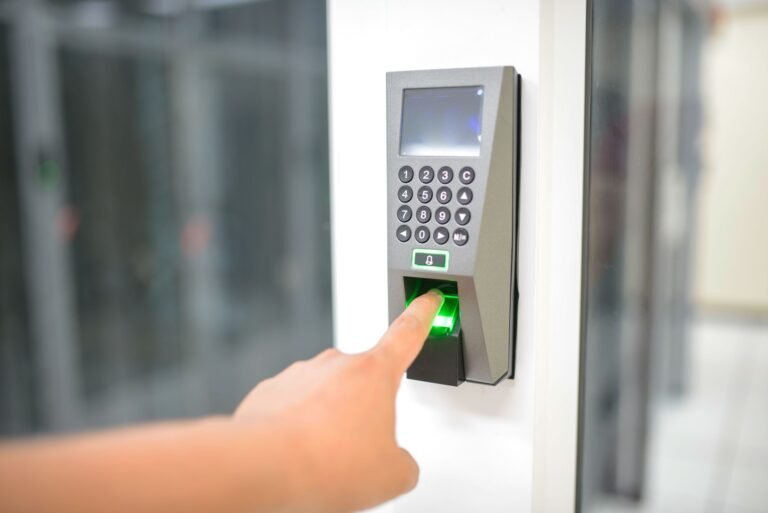
Device drivers are small software components that let the system communicate with the camera sensor, display, speaker, fingerprint scanner, and cellular modem. Your camera application does not send commands straight to the sensor chip.
Instead, the application requests camera access through an API, or application programming interface. The system reviews your permission, starts the camera service, returns image data to the application, and limits the parts of your phone that app may reach.
During a video call, your phone routes camera frames to the calling application, sends microphone audio, uses Wi-Fi or cellular data, and keeps the display awake. Those jobs happen without handing one application control over every hardware component.
Shared Services Control Common Features
Location, Bluetooth, Wi-Fi, notifications, and background syncing pass through shared system services. Your map application receives location data through the operating system rather than taking direct control of the GPS receiver.
Permissions place a visible checkpoint in that process. You can allow a messaging application to use your camera for a profile photo while declining access to contacts, precise location, or your microphone.
A photo-sharing task shows the sequence clearly. You take a picture, your phone saves it in storage, a sharing application requests access, the system displays a chooser, and your selected destination receives the file you selected.
Those handoffs explain why a blocked permission or disabled service stops an application feature even while the camera, radio, or sensor still works. The next layer controls how your device shares limited resources over time.
The Everyday Jobs Your Phone System Handles
Several applications can appear active at once, yet your phone has finite processor time and memory. The operating system directs which task receives attention, which background activity pauses, and which older process closes for your current task.
Resource Control Shapes Phone Performance
Process management divides work into short turns. Your phone gives immediate tasks, such as touch response and incoming calls, priority over a paused game receiving background data.
Memory management stops active applications from crowding each other out. You may see a browser tab reload after switching away because the system removed its stored working data to give another task room.
Battery behavior comes from similar choices. Your device can limit background network activity, reduce display brightness, slow selected tasks, or restrict an application that keeps drawing power after you leave it.
- Processor scheduling: Your phone assigns small blocks of processor time so taps, calls, music, and applications respond in the needed order.
- Memory control: Your device keeps active tasks available while closing paused processes that use too much working memory.
- File storage: Your system creates folders, tracks photos and downloads, and controls which applications reach stored material.
- Network handling: Your phone switches among cellular service, Wi-Fi, Bluetooth, and airplane mode through shared radio controls.
- Battery limits: Your system curbs background work and display activity to stretch the charge left in your battery.
- Multitasking rules: Your device decides whether two applications share the display or whether a background task pauses.
The User Interface Belongs to the System
The home screen, lock screen, notification shade, app switcher, settings menus, gestures, and on-screen keyboard belong to your software interface. You touch visible controls, while system processes turn each swipe into an action.
Android phones vary in layout because manufacturers alter parts of the interface. Apple uses iOS across the iPhone line, giving your menus a closer pattern from one current iPhone model to another.
Security also runs through this central software layer. Your passcode, Face ID, fingerprint check, encryption keys, application permissions, and screen lock depend on the system rather than on one application.
Your lock screen does more than block a casual glance. A strong passcode protects encrypted data after a restart, while biometric tools make routine access faster.
Application isolation adds another boundary. A banking application runs in its own restricted space, so it cannot inspect another application’s private files even though both icons appear on your home screen.
Those protections and resource controls reflect design choices that distinguish one platform from another.
Current Phone Platforms Have Different Roles
Android and iOS account for the overwhelming share of smartphone use in the United States and many other markets. Their application catalogs, hardware choices, and developer ecosystems shape what you install and how long your phone remains practical.
Active Systems Serve Distinct Device Categories
| Platform | Status and device role | What it means for your phone |
|---|---|---|
| Android | Active smartphone system used across many brands | You can select from many device sizes, hardware levels, and interface styles. |
| iOS | Active system designed by Apple for iPhone | Your hardware and software come from the same company. |
| HarmonyOS | Active on Huawei products, with availability varying by region | Your application access and service choices can differ from Android or iPhone. |
| KaiOS | Active on selected feature phones | You get calls, messaging, and limited applications on simpler hardware. |
| Tizen | Used mainly in connected devices and selected Samsung hardware | Your experience depends heavily on the device category. |
| Sailfish OS | Niche platform with limited phone availability | You face a smaller application selection and fewer device choices. |
Wear OS belongs in the wider mobile family, though it runs watches rather than phones. Its touch input, sensors, wireless links, permissions, and battery controls show how the same core duties fit smaller devices.
Older Platform Names Need Clear Labels
Windows Phone, BlackBerry OS, Symbian, and Firefox OS appear in older lists of types of mobile operating systems. They shaped phone design and business use, but they are not realistic mainstream choices for a new smartphone.
Your application access marks the practical difference. An older platform can still boot on old hardware, yet current banking, messaging, transit, and workplace applications may no longer install or receive security updates.
That active-versus-historical split also avoids a common naming error. Android is a current system category, while labels on phone boxes may identify a brand, manufacturer interface, or service bundle.
Android, iOS, and Brand Names Mean Different Things
“OS” means operating system, a broad class of software, while Android is one member of that class. Comparing Android with an operating system mixes a category with a specific example, much like comparing a vehicle with a sedan.
Android vs iOS Uses Different Ownership Models
| Feature | Android | iOS |
|---|---|---|
| Foundation | Uses a Linux-based kernel with layers added by Google and device makers. | Apple designs the system for iPhone hardware. |
| Phone makers | Runs on phones from Samsung, Google, Motorola, OnePlus, and others. | Runs only on iPhones. |
| Interface variation | Menus and features differ by manufacturer. | Interface patterns stay closer across supported iPhones. |
| File access | Offers more visible file and default-application choices on many devices. | Uses tighter system conventions around application behavior and services. |
Your platform choice affects more than icons. Android gives you a broad hardware range and more room to alter launchers, defaults, and visual settings, while iOS links iPhone functions closely to Apple’s devices and services.
Manufacturer Interfaces Do Not Replace Android
Samsung One UI, Xiaomi HyperOS, and Honor MagicOS change fonts, camera controls, settings layouts, battery tools, and multitasking features. Yet these interfaces run on Android foundations rather than replacing Android with separate phone systems.
HyperOS is easy to mislabel because its name sounds like a full platform. On Xiaomi phones, it is a manufacturer software layer built around Android components and Xiaomi services, so Android application compatibility remains part of your experience.
Check the Android version and manufacturer interface version as separate entries in Settings. Your phone may run Android 14 with a newer or older One UI, HyperOS, or MagicOS release above it.
A phone brand is not an operating system. Samsung, Apple, Google, Xiaomi, and Honor make hardware or software products, while Android and iOS name the underlying phone platforms.
Your Version Number and Security Patch Date Explain More Than Menu Style
A version number tells you more than the age of your menu design. It helps you see whether your phone receives security updates, whether an application needs newer software, and whether a feature belongs to the system or a manufacturer interface.
Settings Show Your Installed Platform
- Open Settings: Your settings application contains system details that normal applications cannot change.
- Find About Phone: On Android, open Settings, then About Phone, About Device, or a similar manufacturer label.
- View Android Version: Your Android version, security patch date, and build number appear in system information.
- Open General: On iPhone, go to Settings, General, then About to view your iOS version.
- Review Software Update: Return to General on iPhone, or use System Update on Android, for available releases.
Menu names vary on Android because Samsung, Google, Motorola, and Xiaomi arrange settings differently. Your Settings search field can locate “Android version,” “software update,” or “about phone” without sending you through every menu.
Update Timing Depends on the Exact Device
Your model, manufacturer, carrier configuration in some cases, region, and hardware age affect release timing. Two Android phones on the same version can receive different patch schedules because each maker prepares software for its own hardware.
Security updates close known weaknesses that could expose your data through a malicious application, unsafe network, or harmful file. Feature releases add controls, but the security patch date gives you the clearer sign of ongoing protection.
Application compatibility changes as developers raise minimum software requirements. Your older phone may still make calls and send texts, yet a newer banking or workplace application can require a version it no longer receives.
Battery life can shift after a major release. Fresh indexing, photo analysis, and application optimization can draw extra power for a day or two, while a drain beyond that period points to a misbehaving application, weak battery, or software fault.
Long-term reliability depends not only on habits, but also on the ecosystem supporting your other devices.
- Charge before installation: Keep your phone plugged in or well charged so a restart does not interrupt installation.
- Use trusted Wi-Fi: A stable connection avoids a stalled download and reduces cellular data use.
- Back up key files: Protect photos, messages, and documents before a major system change.
- Review storage space: Leave room for the downloaded package and temporary installation files.
- Read the patch date: Your security patch level may matter more than a new interface feature.
Your Daily Devices and Needs Shape the Right Platform
Your daily habits reveal more than a specification sheet. A phone that works smoothly with your computer, watch, workplace tools, family services, accessibility features, and preferred applications will fit you better than a platform chosen from a slogan.
Personal Priorities Shape the Better Fit
Android suits you where hardware variety, flexible default applications, visible file access, or deep visual customization matters. Google Pixel phones show Google’s version of Android, while Samsung phones add One UI features and a distinct interface.
iOS suits you where your other devices are Apple products and you want close links among iPhone, Mac, iPad, Apple Watch, messages, photos, and account settings. Apple controls both iPhone hardware and iOS releases, reducing variation between models.
Your budget matters too. Android spans entry-level phones through expensive foldables, while iPhone choices stay within Apple’s hardware line and follow a more uniform design path.
Accessibility and Privacy Require Personal Review
Both major platforms include screen readers, magnification, hearing-device options, voice controls, captions, and touch adjustments. Your hands, eyesight, hearing, and comfort with gestures should shape the choice more than a feature list.
Privacy settings exist on both systems, though their wording and default choices differ. Review location access, microphone access, photo access, ad tracking controls, lock-screen previews, and cloud syncing after setup because your choices affect what applications collect.
- Review application needs: Confirm that your bank, workplace tools, medical portal, and family communication applications run on your chosen platform.
- Review device lifespan: Look for the phone’s stated security-update period before committing to a model.
- Try accessibility tools: Test font size, voice control, screen reading, and hearing-device pairing against your own needs.
- Inspect service ties: Your computer, watch, cloud storage, and message habits can make one ecosystem more convenient.
- Choose interface comfort: Select Android for more setting choices, or iOS for a more uniform system path.
No platform suits every situation. Android fits many hardware and customization needs, while iOS fits many Apple-centered setups and longer software preferences; your current device and daily services shape the useful answer.
Check your phone’s system version, security patch date, and stated support period before spending money or changing platforms. Those three details show whether your device still fits your needs or has reached a practical limit.
What to Remember About Your Phone System
Your phone works as one tool because its operating system directs hardware, gives applications controlled access, presents touch controls, and protects stored information. Android, iOS, manufacturer interfaces, update notices, and version numbers become clearer once you see how each label affects your device.
FAQ
Can a smartphone run without an operating system?
At the hardware level, a smartphone may power on, but without usable software it cannot function as a normal phone. Your device needs system software for the screen interface, touch input, applications, calls, storage access, security checks, and wireless services to work together.
What are the main mobile operating systems?
Android and iOS are the two main smartphone platforms in most markets. HarmonyOS and KaiOS remain active in more limited settings, while Tizen, Sailfish OS, Windows Phone, BlackBerry OS, Symbian, and Firefox OS matter mainly for niche devices or historical reference.
Is Android an operating system or a phone brand?
Since 2008, Google’s platform has powered phones from many manufacturers rather than serving as a phone brand. Google oversees Android, while Samsung, Motorola, OnePlus, Xiaomi, and Google use it on different phones, often with their own interface layer and service choices.
Which mobile operating system fits a smartphone best?
The right choice depends on your hardware budget, application needs, accessibility requirements, privacy preferences, and connected devices. Android suits broad device choice and customization, while iOS suits iPhone use and close links with Apple’s wider device family.
How do I check which operating system my phone uses?
On Android, open Settings and look for About Phone, About Device, or Android Version. On iPhone, open Settings, select General, then About; your iOS version appears in the software information shown there.
How do operating system updates affect phone security and app support?
System updates can patch security weaknesses, fix faults, add features, and preserve compatibility with newer applications. Your phone’s model and maker control how long those releases arrive, so review both the installed version and the security patch date.