
Smartphones keep getting smarter, and the price gap between mid-tier and flagship has narrowed more than most people realize. I’ve spent time digging through specs, carrier compatibility notes, and ownership considerations across eight unlocked picks that won’t require a payment plan to own. Whether you’re switching from a worn-out daily driver, picking up a backup travel phone, or trying to keep a teenager connected without handing over a credit card, there’s something here that fits.
The Leading Options At A Glance
Xiaomi Poco X7 PRO 5G + 4G LTE (512GB + 12GB) Dual sim Unlocked

realme 8 Dual-SIM 128GB ROM + 8GB RAM Unlocked 4G/LTE

Samsung Galaxy S25 Ultra 512GB Unlocked Android Smartphone

Samsung Galaxy S26 Ultra 5G 256GB Android 16 Unlocked

XIAOMI Poco X7 PRO 5G + 4G LTE (256GB + 8GB) Unlocked

XIAOMI Poco X8 PRO 5G Ai (512GB + 8GB) Dual sim Unlocked

Blackview Rock 5 Rugged Phone 20000mAh 108MP Android 16
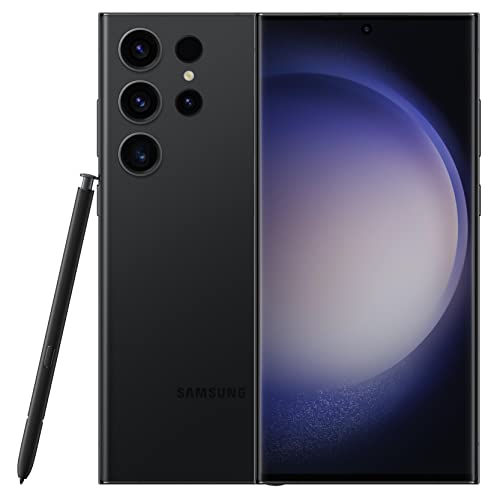
SAMSUNG Galaxy S23 Ultra 512GB 12GB RAM AI Phone
What Each Pick Brings To The Table
The Poco X7 Pro sits in a sweet spot for anyone who games on the go without wanting to drain their bank account. With 512GB of internal storage and 12GB of RAM, this phone handles demanding titles and dozens of background apps without breaking a sweat. NFC support means tap-to-pay works at the register, and the dual SIM tray is a quiet win for anyone juggling a work line and a personal line.
It’s tuned for the U.S. T-Mobile and MVNO ecosystem (those are smaller carriers that lease network access from major ones like Mint and Tello), and it accepts any GSM SIM abroad. For gamers, mobile creators, and heavy multitaskers, this is one of the more generous spec sheets in this price range.
Strong Points
- 512GB internal storage means years of photos and apps without deleting anything
- 12GB RAM keeps games and apps running smoothly even during heavy multitasking
- 50MP main camera captures detailed shots in good lighting
- Dual SIM tray lets you carry two numbers without a second phone
- NFC enables contactless payments at supported terminals
- Bluetooth 5.4 delivers fast pairing with modern wireless earbuds
Things To Consider
- U.S. use is limited to T-Mobile and compatible networks; Verizon and AT&T won’t activate this model
- No microSD slot, so all expansion depends on the internal storage you pick
- Owners of older Xiaomi phones commonly report the MIUI interface takes a few days to feel natural
Who It Suits Best
Mobile gamers, content creators, and power users on T-Mobile who want flagship-level storage without flagship-level cost.
Consider Something Else When
The Samsung Galaxy S25 Ultra is a better fit for shoppers who need full U.S. carrier support, including Verizon and AT&T.
The realme 8 punches above what its modest price suggests, especially for anyone moving between countries. Dual-SIM means you can keep your home carrier active while popping in a local data SIM abroad, which is how frequent travelers actually save money. The Cyber Silver finish looks sharper than the spec sheet suggests, and 8GB of RAM is plenty for messaging, maps, and streaming.
It runs Android with realme’s lightweight skin on top, and the 128GB of built-in storage handles thousands of photos with room left over for offline playlists. For first-time smartphone owners, students abroad, or anyone who wants a reliable travel companion, this one’s worth a real look.
Everyday Advantages
- 4G LTE on global GSM bands makes it work in most countries out of the box
- 128GB of storage fits a solid photo library plus apps and offline media
- Dual-SIM tray simplifies international trips and work-life separation
Worth Noting
- GSM-only means no Verizon, Sprint, or U.S. Cellular compatibility
- Owners of previous realme phones sometimes report the charger included in-box varies by region
Made For
International travelers, exchange students, and shoppers who want a lightweight unlocked phone for use outside the U.S.
Skip It When
The Xiaomi Poco X7 PRO is a stronger pick for T-Mobile users who want 5G speeds and a larger screen.
The Galaxy S25 Ultra is what happens when Samsung pulls out all the stops. The Snapdragon 8 Elite processor is genuinely fast, the 5000mAh battery gets most people through a full day of heavy use, and the built-in S Pen still has no real competitor in the Android world. For anyone sketching, signing PDFs, or just preferring the precision of a stylus, this feature alone justifies the upgrade for some shoppers.
The AI Night Mode camera pulls surprisingly clean shots out of low-light situations, and the Titanium Black finish feels substantial without being slippery. At 512GB, storage anxiety disappears for most people.
Everyday Wins
- Snapdragon 8 Elite handles heavy apps and games without thermal throttling
- 5000mAh battery supports a full day of mixed use for most people
- Built-in S Pen is genuinely useful for notes, sketching, and precision tasks
- AI Night Mode camera pulls usable photos out of dim restaurants and concerts
Trade Offs
- Larger and heavier than the standard S25, which may bother smaller-handed shoppers
- Premium positioning means this sits well above the typical “cheap” threshold
Feature Snapshot
Best Suited To
Power users, note-takers, and shoppers who want flagship polish and don’t mind paying for it.
A Better Fit Elsewhere
The Samsung Galaxy S23 Ultra is a smarter call for shoppers who want similar flagship DNA at a more approachable cost.
The Galaxy S26 Ultra carries the same general flagship DNA as the S25 Ultra, but adds the polish of Android 16 out of the box and a slightly leaner storage option at 256GB. The 6.9-inch Dynamic AMOLED 2X display at 120Hz is genuinely one of the best screens on any phone right now, and the Snapdragon 8 Elite Gen 5 chip handles anything you throw at it. For Android enthusiasts who want the newest version of the operating system the moment they unbox it, this model lands cleanly.
In the U.S., this international version is optimized for T-Mobile, so it’s worth confirming coverage in your area before committing. For shoppers outside the U.S., factory unlocked means broad GSM compatibility.
Useful Strengths
- 6.9-inch AMOLED 2X at 120Hz makes scrolling and video genuinely smooth
- Snapdragon 8 Elite Gen 5 keeps the experience snappy for years
- Android 16 out of the box means the longest possible software support window
- 12GB RAM is generous for multitasking and creative apps
Points To Note
- U.S. use limited to T-Mobile coverage areas; not optimized for Verizon or AT&T
- 256GB storage fills up faster than 512GB if you shoot a lot of 4K video
- International version may ship with a non-U.S. charger in the box
Technical Highlights
Right Fit For
Android enthusiasts on T-Mobile who want the newest operating system and a top-tier display.
Look Elsewhere When
The Xiaomi Poco X8 PRO is a better match for shoppers who need broader 5G band support for international travel.
The 256GB version of the Poco X7 Pro is essentially the same phone as the 512GB model reviewed earlier, just with a smaller storage pool and 8GB of RAM instead of 12GB. For shoppers who don’t game heavily or carry massive offline media libraries, that trade-off translates directly into a more approachable price. You still get the same 6.67-inch display, the same 50MP camera sensor, and the same dual SIM tray.
This is the model I’d point a non-gamer toward first. Most people stream rather than download, and 256GB covers years of photos for the average user.
The Case For It
- Lower cost than the 512GB sibling without giving up core features
- 256GB handles thousands of photos and a healthy app library
- Same 50MP main camera and 6.67-inch display as the higher-tier version
Some Limits To Know
- 8GB RAM is comfortable but not as future-proof as the 12GB version
- Same T-Mobile-only U.S. carrier limitation as its sibling
- No microSD expansion, so storage is fixed once you buy
Whose Shelf It Belongs On
Budget-focused everyday users on T-Mobile who don’t need massive storage or top-end RAM.
Swap It Out When
The Xiaomi Poco X7 PRO 512GB version is a smarter pick for mobile gamers and content creators who want more headroom.
The Poco X8 PRO steps up the 5G band coverage compared to the X7 Pro, which makes it a noticeably better fit for international travel. Where the X7 Pro covers a useful slice of sub-6 5G bands, the X8 PRO adds wider NSA (non-standalone, meaning 5G paired with 4G infrastructure) support and extra LTE bands, which matters more than most spec sheets make it sound. If you’ve ever landed in a country where your phone falls back to slow 3G, you’ll appreciate the difference.
With 512GB of storage and the same 50MP camera system as its sibling, this is the model I’d recommend for anyone splitting time between the U.S. and overseas.
What Makes Sense
- Wider 5G and LTE band support improves international usability
- 512GB storage keeps years of media without cleanup
- 6.59-inch display balances screen size with one-hand reachability
Points To Note
- 8GB RAM is slightly less generous than the X7 Pro 512GB version
- U.S. carrier compatibility still limited to T-Mobile and compatible MVNOs
Best Suited To
Frequent travelers who split time between the U.S. and other countries and want reliable 5G abroad.
Another Choice May Suit
The realme 8 is a more affordable option for shoppers who don’t need 5G and mostly use Wi-Fi.
The Blackview Rock 5 is less of a phone and more of a survival tool. The 20000mAh battery is the headline feature, and it’s not a marketing exaggeration: this thing genuinely lasts days of heavy use, and the reverse charging feature (meaning the phone can output power to charge other devices) lets it top off earbuds or a friend’s dying phone. The built-in camping lantern is a thoughtful touch that replaces a piece of gear most backpackers already carry.
The 108MP main sensor and 20MP night vision camera are genuinely capable in their respective lanes, and the 6.78-inch FHD display at 120Hz makes navigation feel modern. This is the phone for people whose phones tend to meet concrete, dirt, or water on a regular basis.
A Few Strong Suits
- 20000mAh battery delivers days of use between charges
- Built-in camping lantern replaces a piece of backpacking gear
- Rugged construction handles drops, dust, and water exposure
- 108MP main camera and 20MP night vision sensor expand what’s photographable
Some Limits To Know
- Larger and heavier than a standard smartphone due to the battery and rugged frame
- Helio G100 chipset is competent but not in flagship performance territory
- 33W charging helps, but refilling 20000mAh still takes patience
Quick Facts
Who Should Grab It
Campers, hikers, contractors, and field workers who need a phone that doubles as a power bank and lantern.
Look Elsewhere When
The Samsung Galaxy S23 Ultra is a better fit for office-based shoppers who want a slimmer, lighter flagship.
The Galaxy S23 Ultra is a generation older than the S25 and S26, but it still feels anything but outdated. The 200MP main camera is the standout, pulling genuinely usable detail from daylight shots and holding its own in dimmer scenes with Night Mode. The S Pen is built in, and Samsung’s software support has been long enough that this model still receives current updates.
For shoppers who want flagship-grade photography and the stylus experience without paying flagship prices, the S23 Ultra hits a real sweet spot. It pairs well with any major U.S. carrier, which removes the compatibility headache that trips up some of the cheaper options in this list.
The Upside
- 200MP camera captures exceptionally detailed photos in good light
- Built-in S Pen supports notes, sketches, and precision editing
- 512GB storage and 12GB RAM cover years of use comfortably
- Full U.S. carrier compatibility removes activation friction
Honest Caveats
- Newer Galaxy flagships offer faster processors and longer software support windows
- Large body may be cumbersome for shoppers with smaller hands
- Phantom Black finish shows fingerprints more visibly than lighter colors
Feature Card
Perfect Match For
Photo enthusiasts and Galaxy loyalists who want flagship DNA at a more approachable cost than the latest model.
Reach For A Different Pick When
The Samsung Galaxy S26 Ultra is worth the stretch for shoppers who want the newest processor and Android 16 out of the box.
What Matters Most Before Choosing Cheap Smartphones
Carrier Compatibility Comes First
Before specs, screen size, or camera resolution, confirm the phone works on your network. Unlocked doesn’t always mean universal: GSM-only models skip Verizon and U.S. Cellular entirely, while T-Mobile-optimized international versions may not activate on AT&T. Check your carrier’s band list against the phone’s supported bands before anything else.
Storage And RAM Aren’t Just Numbers
8GB of RAM is the comfortable floor for modern Android, and 12GB future-proofs the phone for heavier apps. Storage is more personal: 128GB fits light users, 256GB covers most people, and 512GB makes sense if you shoot 4K video or keep large offline media libraries. There’s no microSD slot on most modern phones, so the storage you pick is the storage you live with.
Display And Battery Drive Daily Experience
A 120Hz display makes scrolling feel smoother, and a 5000mAh battery gets most people through a full day. If you travel, game, or stream often, both matter more than processor benchmarks do.
Pitfalls Shoppers Hit And Where The Extra Money Goes
Common Slip Ups To Dodge
The most common mistake is buying a phone that won’t activate on your carrier. International versions can be cheaper but lock you out of major networks. The second mistake is underestimating storage; filling a 128GB phone in a year is easier than people expect, especially with high-resolution photos and offline video.
What The Higher Tier Buys
Stepping up from a budget phone to a mid-range or flagship model typically gets you a better camera sensor, longer software support, and a more efficient processor. For shoppers who keep a phone three or more years, the upgrade often pays for itself in longevity alone.
Frequently Asked Questions
Are cheap smartphones any good for gaming?
Mid-range chipsets handle most mobile games comfortably, though flagship processors hold up better over years of software updates.
Do unlocked phones work with any carrier?
Not always; GSM-only models skip CDMA networks like Verizon, and international versions sometimes restrict which U.S. carriers they’ll activate on.
How long should a budget smartphone last?
Most modern phones deliver three to four years of solid use with reasonable care, though battery health tends to decline after the second year.
Is a 200MP camera meaningfully better than a 50MP one?
In good lighting, yes; in low light, the difference narrows because sensor size and software processing matter more than raw megapixels.
Can I use cheap smartphones internationally?
Many unlocked models support global GSM bands, but always confirm the specific bands of the countries you’re visiting before buying.
Closing Remarks
The honest read is that the gap between budget and flagship phones has never been smaller, and most people don’t need to spend flagship money to get a genuinely good daily experience. Pick the phone that matches your carrier and your real usage, and you’ll likely be happy with whatever lands in your hand.