
I remember the exact moment my old phone tapped out at 11 a.m. on a travel day. That’s the kind of memory that makes a battery-focused listicle feel personal. The picks below are phones and power banks built for people who refuse to babysit a charging cable. I’ve grouped them so a heavy phone user, a traveler, and someone on a tighter setup each find a sensible match.
A Side-By-Side Look
EF ECOFLOW Rapid 45W Power Bank 3-in-1
Xiaomi Poco X7 PRO 5G 512GB
Ouotoo Nano Portable Charger 10000mAh
NOBIS 20000mAh 45W Power Bank
NOBIS 90W 20000mAh Power Bank
JUOVI 65W 20000mAh Power Bank
Xiaomi Poco X7 PRO 5G 256GB
JUOVI 65W 4-Port Power Bank
The Details Behind The Selections
The EF ECOFLOW Rapid power bank shrinks three tools into one slim brick, which matters when I pack light. It folds out an AC plug, hides a short USB-C cable, and tops up my phone at 45W. In practical terms, that’s enough headroom to refill a recent iPhone halfway before a meeting starts.
Compared to the larger NOBIS units further down, this one trades raw capacity for portability. The 10,000mAh cell handles a phone and a pair of earbuds in a single day, which is the realistic use case here. A traveler chasing laptop-grade output should look at picks 5 or 6 instead.
Reasons It Performs
- Foldable AC plug means no separate wall charger in the bag.
- 45W output refills flagship phones in well under an hour.
- Built-in cable reduces forgotten-cable panic at airport gates.
- Smart trickle mode protects earbuds and watches from overcurrent.
- Compact enough for a jacket pocket or crossbody sling.
Points To Note
- 10,000mAh runs dry on long-haul travel days without a wall outlet.
- Built-in cable length is short, so charging on a couch armrest gets awkward.
Feature Snapshot
Who It Suits Best
Daily commuters and short-trip travelers who want one charger that handles both phone and earbuds without extra cables.
Where Another Pick Suits Better
Anyone regularly powering a laptop should pick the NOBIS 90W 20000mAh Power Bank instead for the higher wattage.
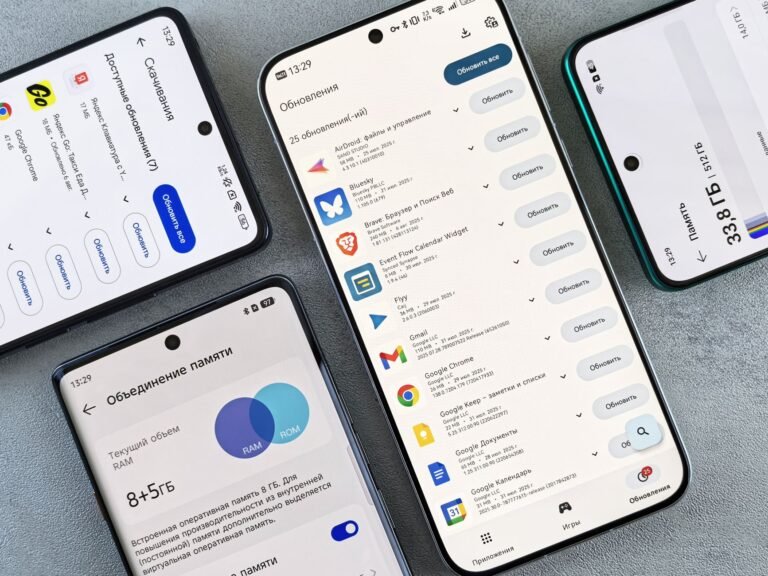
The Poco X7 PRO in its 512GB configuration is the version I point friends toward when they ask for a phone that takes “battery smartphones” seriously. The 12GB of RAM (the working memory the phone uses to juggle apps) keeps games and streaming smooth, while the 512GB of storage swallows years of photos without a cloud bill. The 6.67-inch display gives games room to breathe.
This variant targets users on T-Mobile and its sub-brands, including Mint and Tello, and the unlocked SIM slot opens up international GSM use abroad. Gamers and heavy multitaskers benefit most here, while a casual user could save money on the 256GB version reviewed later.
The Case For It
- 512GB of storage removes the constant photo-and-video cleanout.
- 12GB of RAM keeps multiple apps and games resident without reloads.
- 6.67-inch canvas suits split-screen work and high-fps gaming.
- NFC (contactless tap-to-pay) support covers transit and card payments.
- Dual SIM unlocks flexibility for travel and work numbers.
Trade Offs
- No microSD slot, so the storage you buy is the storage you keep.
- Carrier restrictions in the US limit it to T-Mobile-family networks.
- Heavier gaming sessions will still need a top-up by evening.
Made For
Mobile gamers, content creators, and power users who want flagship-level storage without flagship-level spend.
Skip It When
Light users on a tighter budget get more value from the Xiaomi Poco X7 PRO 256GB version reviewed as pick 7.
The Ouotoo Nano earns its name. It claims a 45% smaller footprint than typical 10,000mAh bricks, and the dual built-in cables mean I stop juggling adapters in my jacket pocket. The Apple and USB-C connectors stay tucked until I need them, then snap out for a quick refill.
It does not pretend to be a laptop charger, and that’s fine. Where the EF ECOFLOW above leans into convenience and the NOBIS units lean into capacity, this one leans into pocket discipline. It is the charger I would toss into a running belt or a crossbody without thinking twice.
The Good Stuff
- Built-in Apple and USB-C cables cover the two most common ports today.
- Compact shell disappears into small bags and running belts.
- 10,000mAh capacity suits a single phone or a phone-plus-earbuds day.
Honest Caveats
- Built-in cables can wear with heavy daily use and are not user-replaceable.
- No wall plug means a separate adapter is needed to refill the bank.
Key Product Details
Right Fit For
Pocket-first users, runners, and travelers who want one less thing to remember when leaving the house.
Reach For A Different Pick When
Anyone needing laptop power should reach for the JUOVI 65W Power Bank reviewed as pick 6.
The NOBIS 20,000mAh at 45W is the middle-ground pick I keep coming back to. It carries enough juice for two full phone refills, and the detachable USB-C cable doubles as a carry strap. That strap detail sounds small until you’re chasing a bus with both hands full.
It sits between the EF ECOFLOW pocket pick and the JUOVI laptop-class options further along. For someone who charges a phone, a tablet, and wireless earbuds across a workday, this one covers all three without growing into a brick.
Useful Touches
- 20,000mAh covers multi-device days without a wall outlet.
- 45W PD (Power Delivery, the fast-charging standard) refills phones at full speed.
- Detachable cable removes the dreaded “I left it at home” moment.
- Carry strap clips onto a backpack for hands-free commuting.
Worth Bearing In Mind
- Larger and heavier than 10,000mAh picks like the EF ECOFLOW.
- 45W output underdelivers for laptop users who want full-speed charging.
Best Suited To
Commuters, students, and weekend travelers who want one charger for phones, tablets, and earbuds in a single bag.
Consider Something Else When
Power users topping up a laptop should consider the NOBIS 90W Power Bank reviewed as pick 5.
The 90W NOBIS is the unit I’d hand to a remote-working friend who keeps losing track of outlets at cafés. Where the 45W NOBIS tops up a phone fast, this one keeps a USB-C laptop alive through a workday, then refills the bank itself in roughly two hours.
It still ships with the detachable cable and strap system I liked on its smaller sibling. The trade-off is bulk and weight. For flights and hotel rooms, that bulk is worth carrying; for a quick evening walk, the EF ECOFLOW is the easier companion.
The Practical Payoff
- 90W output charges laptops and tablets at near-wall speeds.
- PD and QC (Qualcomm Quick Charge) compatibility covers both modern phone standards.
- 20,000mAh extends a workday without searching for outlets.
- Self-charge time around 1.8 hours means quick turnarounds overnight.
Points To Keep In Mind
- Heavier than the 45W NOBIS, so it earns its place in a backpack, not a pocket.
- Strap is convenient but does not replace a dedicated laptop charger on heavy days.
Technical Highlights
Whose Shelf It Belongs On
Road warriors, hybrid workers, and frequent flyers who plug a laptop into every surface they sit near.
Look Elsewhere When
Anyone charging only a phone should look at the lighter EF ECOFLOW Rapid power bank instead.
JUOVI’s take on the 65W laptop bank is thoughtful in ways that show up in daily use. The included USB-C cable clips onto the body to form a wrist strap, which means I actually carry it instead of leaving it on a counter. The 65W output is the sweet spot for most USB-C laptops.
Compared with the NOBIS 90W pick, this one trades a bit of charging speed for a friendlier carry design. For a MacBook Air owner or a frequent flyer, that tradeoff usually pays off, depending on how often the laptop is the priority device.
Everyday Perks
- 65W output refills a MacBook Air or XPS-class laptop at full speed.
- Cable-as-strap design makes the charger harder to forget.
- 20,000mAh handles a phone plus laptop on most days.
- USB-C PD compatibility covers phones, tablets, and laptops in one brick.
Some Limits To Know
- Strap cable is short, so reach from a backpack is limited.
- Bulkier than phone-only banks like the Ouotoo Nano.
Perfect Match For
Hybrid workers and travelers who want a single brick that charges both laptop and phone without separate cables.
A Better Fit Elsewhere
Users needing the highest laptop charging speeds get a better fit from the NOBIS 90W Power Bank in pick 5.
The 256GB version of the Poco X7 PRO trades some storage and RAM for a friendlier price, and that is the right move for many shoppers. It keeps the 6.67-inch display, NFC, and dual SIM setup that made the 512GB model appealing, just with 8GB of RAM and 256GB of storage instead.
For everyday social apps, maps, and the occasional game, 8GB of RAM is plenty. The reduced capacity also means the phone sits lighter in the hand for users who do not need a portable hard drive.
Key Advantages
- Lower entry price compared to the 512GB sibling in pick 2.
- Same 6.67-inch display for streaming and reading.
- NFC and dual SIM features carried over unchanged.
- 8GB of RAM handles everyday apps and casual games smoothly.
Where It Is Less Suited
- 256GB fills up faster for heavy video shooters and gamers.
- Same T-Mobile-family US carrier restriction as the 512GB model.
Who Should Grab It
Budget-focused shoppers who want a battery-smartphone experience without paying for storage they will not fill.
Swap It Out When
Anyone keeping dozens of games or shooting lots of 4K video should swap up to the Xiaomi Poco X7 PRO 512GB in pick 2.
This JUOVI variant keeps the 65W output and 20,000mAh capacity, but adds two USB-A ports alongside the dual USB-C outputs. That means a laptop, a tablet, a phone, and a pair of earbuds can charge at the same time, which is rare in this category.
Where pick 6 focuses on a clean laptop-and-phone setup, this one fits families, shared workspaces, and road trips with multiple devices. For solo travelers, the four ports are nice to have rather than need.
Real Benefits
- Two USB-C ports at 65W plus two USB-A ports at 30W cover mixed device families.
- 20,000mAh supports a multi-device day on a single charge.
- PD 3.0 (the latest Power Delivery spec) keeps charging speeds safe and fast.
- Detachable cable continues the JUOVI carry-strap pattern.
Practical Considerations
- Sharing 65W across four ports means each device charges slower under heavy use.
- Heavier than single-user banks like the EF ECOFLOW.
Spec Overview
Built With In Mind
Families, small teams, and shared-workspace users who routinely juggle four or more devices at once.
Not Your Match When
A solo user with only a phone or two should not match this bank against the simpler NOBIS 45W option in pick 4.
What To Weigh Before Choosing Battery Smartphones
Battery life is rarely just about the printed capacity number. Wattage matters more than most shoppers expect, because a high-capacity bank with a slow 10W port can still leave a modern phone sitting on the charger for hours. Look for 30W as a baseline for phones, and 60W or higher if a USB-C laptop is in the mix. PD and QC support tells you the bank speaks the same fast-charging language as your devices.
Port layout deserves real attention. Built-in cables are great for forgetful travelers, but detachable cables keep the bank useful as devices change over the years. Multiple USB-C and USB-A ports turn a personal bank into a shared one, which matters for families or group trips. For the phones on this list, carrier compatibility is the deciding factor: the Poco X7 PRO models target T-Mobile-family networks in the US and global GSM carriers abroad, so double-check the SIM situation before committing.
Real-world size and weight quietly decide which bank actually ends up in the bag. A 20,000mAh brick sounds useful until it lives on a desk because it’s too heavy for a daily commute. Match the capacity to the longest day you can imagine, not the worst-case fantasy.
Key Considerations Across These Picks
Pitfalls Shoppers Hit
The most common mistake is chasing the largest capacity number without checking the output wattage. A 20,000mAh bank at 10W will refill a modern phone more slowly than a wall outlet, which defeats the point of carrying it. Another trap is assuming any USB-C cable supports fast charging; older cables silently limit the bank to slow speeds, leaving people wondering why their phone barely moves on the meter.
Where The Extra Money Goes
Higher-tier models on this list earn their price through faster wattage, more ports, and better build quality around the cable and strap design. The 90W NOBIS, for instance, costs more because it can power a USB-C laptop at near-wall speed, not just a phone. The 512GB Poco costs more because of storage and RAM, which matter most for gamers and content creators. For shoppers with simpler needs, mid-range picks like the NOBIS 45W deliver most of the value without the premium features.
Frequently Asked Questions
How many mAh do I really need for a full day?
Most modern phones pull about a 4,000 to 5,000mAh refill per full cycle, so a 10,000mAh bank covers one full refill with room for earbuds. A 20,000mAh bank covers a phone plus a tablet, or two full phone refills.
Can a power bank damage my phone’s battery?
Quality banks with PD or QC standards include smart chips that negotiate safe voltage and current. Cheap off-brand banks without proper certification can overheat or overcharge, which is why sticking to recognized models matters.
Will the Poco X7 PRO work outside the United States?
Yes, in most countries. The phone supports a wide range of GSM bands, so international SIM cards from most carriers will activate it. The US restriction to T-Mobile-family networks only applies when using a US plan.
How fast is 65W charging in real terms?
A 65W output can refill a compatible USB-C laptop to roughly half capacity in around 40 minutes. For phones, that same wattage pushes a flagship from empty to most of a full charge in well under an hour.
Is a built-in cable worth the extra cost?
For travelers and forgetful users, yes. Built-in cables remove the most commonly lost accessory. For home users with a stable setup, a detachable cable usually lasts longer and adapts to new devices.
The Takeaway
Battery smartphones come down to honest matching: pair the bank or phone to the longest realistic day, then pick the wattage and ports that fit the devices in the bag. The picks above cover pocket-first minimalists, hybrid workers, and heavy gamers without forcing anyone into a one-size answer.