
A good cardioid microphone shapes how a voice lands, whether that voice is on a podcast, a stage, a stream, or a Sunday sermon recording. The cardioid pattern picks up what’s directly in front of the mic and quietly ignores the rest, which is exactly why podcasters, vocalists, broadcasters, and streamers keep reaching for it. I pulled together ten options that span broadcast legends, USB-ready kits, and gaming setups, so you can match a mic to the way you actually record.
The Shortlist At A Glance

Electro-Voice RE27N/D Dynamic Cardioid Multipurpose Microphone

Shure SM58 Pro XLR Dynamic Vocal Microphone

FIFINE AmpliTank K688CT Podcast Microphone Kit, USB/XLR Dynamic Vocal Mic
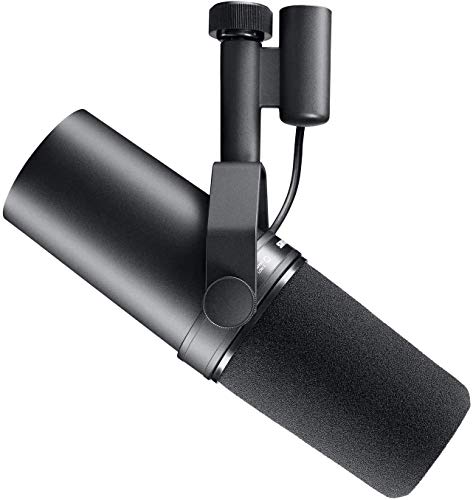
Shure SM7B Dynamic Vocal Microphone for Podcasting & Streaming

RØDE PodMic Cardioid Dynamic Broadcast Microphone, XLR

FIFINE AmpliGame AM8T XLR/USB Gaming Microphone Set, Dynamic PC Mic

FIFINE AmpliGame AM8 USB/XLR Dynamic Microphone for Gaming Streaming

Shure SM7B Vocal Dynamic Microphone, Cardioid

FIFINE AmpliGame A6T USB Gaming Microphone Kit, Condenser Mic for Streaming

FIFINE T669 Studio Condenser USB Microphone for Recording Podcasting
A Breakdown Of The Leading Choices
The Electro-Voice RE27N/D sits in a category of its own, the kind of workhorse microphone you spot bolted to booms inside radio station booths and voiceover rooms. Its dynamic cardioid capsule is engineered to hold a steady low-frequency response regardless of how close or far the speaker leans in, which means a host can drift off-mic without the tone going thin or boomy. Where most stage and broadcast mics force a trade-off between warmth and clarity, this one threads the needle through internal filtering.
Three onboard filter switches give a voice operator real-time shaping power: one high-frequency rolloff for taming sibilance, two low-frequency options for cleaning up rumble, and an internal blast filter that softens plosives before they hit the capsule. For broadcasters dealing with HVAC hum, computer fan noise, or guests who forget mic discipline, those switches save hours in post. The build feels substantial, with a heavy-duty steel housing that shrugs off daily studio use.
What Helps Most
- Variable-D design keeps tone steady across changing mic distance, useful for animated hosts
- Three internal filter switches let operators shape the sound live without a mixer in line
- Internal blast and wind filter cuts down on plosives, sparing hours of editing
- Built like a tank, with a steel body that tolerates daily booth handling
- Cardioid pattern rejects off-axis room noise from monitors and talking neighbors
Things To Consider
- Requires a quality preamp to deliver its full tonal character, which adds to setup cost
- Heavier than typical handheld mics, so a sturdy boom arm is a smart pairing
Feature Snapshot
Who It Suits Best
Voiceover artists, broadcast hosts, and podcast producers running a treated studio and wanting long-term reliability.
Consider Something Else When
The Shure SM58 Pro XLR Dynamic Vocal Microphone is a better match for touring vocalists who need a handheld that survives the road.
The Shure SM58 Pro XLR is one of those tools that quietly shows up everywhere, from basement rehearsal spaces to festival main stages. Its tuned frequency response lifts the midrange just enough to push vocals past a busy mix, so a singer doesn’t have to strain or push hard to be heard. Compared with the broadcast-focused RE27N/D reviewed earlier, the SM58 is built around movement, drops, and the realities of live performance.
The cardioid pattern is forgiving in untreated rooms, focusing on the mouth and brushing off stage wash and crowd noise. The pneumatic shock mount system inside the housing absorbs handling noise, which matters more than people realize until they drop a handheld mid-song. The steel mesh grille takes abuse, and the capsule underneath tends to survive falls that would retire lesser mics.
Noteworthy Benefits
- Midrange lift helps vocals cut through dense mixes without harshness
- Internal shock mount absorbs handling noise for live performers on the move
- Cardioid rejection keeps stage wash from muddying the lead vocal
- Industry-standard reliability, with widely available replacement parts
Worth Noting
- Not a studio condenser, so the detail on whispered or breathy vocals is limited
- XLR-only, meaning an interface or mixer is required to record
Made For
Lead vocalists, worship leaders, and live presenters who need a handheld mic that holds up to nightly use.
Look Elsewhere When
The Electro-Voice RE27N/D Dynamic Cardioid Multipurpose Microphone is the smarter buy for studio-bound broadcasters who never need a handheld.
The FIFINE AmpliTank K688CT lands at a moment when podcasters increasingly start on USB and later graduate to a real mixer or interface. This dynamic vocal mic covers both paths, offering USB-C for direct laptop recording and XLR for traditional setups with a preamp or audio interface. That dual connection is the headline feature, and for hobbyists who know their show will grow, that flexibility is worth noticing.
The cardioid capsule is paired with a stated 130 dB SPL ceiling, which means loud guests and animated hosts won’t blow the capsule into distortion. The boom arm and shock mount in the kit save a trip to compare cables and clamps separately. Compared with the Shure SM7B reviewed next, the AmpliTank trades some top-end smoothness for a more forgiving price, which is the right call for first-year creators.
Positive Takeaways
- USB-C and XLR outputs in one body, perfect for upgrading without replacing gear
- 130 dB SPL rating handles loud hosts and energetic interviews cleanly
- Cardioid rejection trims ambient keyboard clicks and room echo
- Bundle includes a boom arm and shock mount to skip accessory shopping
Trade Offs
- Sound character is less refined than dedicated broadcast mics like the SM7B
- USB mode lacks some deeper gain controls found in a dedicated interface
Right Fit For
New podcasters and remote workers who want one mic that survives the jump from laptop to studio mixer.
A Better Fit Elsewhere
The RØDE PodMic Cardioid Dynamic Broadcast Microphone is a better fit for creators already locked into an XLR-only workflow.
The Shure SM7B is the mic behind a lot of the podcasts and streams people quote most. Its warm, flat response gives voices a recorded character that feels intimate without becoming boomy, and the cardioid pattern is tuned to reject room noise that would otherwise force a closet-sized studio. I look at the SM7B as the anchor reference for this whole list: most other picks are answering the question of how to get close to its character at a different price point.
The wide-range frequency response captures both spoken word and sung vocals with even tonal balance, while the bass rolloff and midrange emphasis switches on the back panel let a creator dial in a brighter or warmer signature. Internal shielding fights electromagnetic hum, a real issue when the mic sits near monitors, laptops, and LED lights. Compared with the more affordable FIFINE K688CT, the SM7B adds depth and a quieter noise floor that more experienced ears appreciate.
Positive Points
- Warm, even tone that flatters both speech and sung vocals
- Cardioid rejection focused enough to handle untreated home studios
- Internal shielding reduces hum from nearby electronics and monitors
- Rear-panel tone switches adjust bass and midrange without plugins
- Cardioid pattern tightens around the mouth, brushing off keyboard and HVAC noise
Honest Caveats
- Low output means a clean preamp or inline gain booster is usually required
- Heavier than typical USB mics, so plan for a sturdy boom arm
Feature Snapshot
Best Suited To
Working podcasters, narrators, and streamers who want broadcast character and don’t mind adding a quality preamp.
Skip It When
The FIFINE AmpliTank K688CT Podcast Microphone Kit is a friendlier match for first-year hosts who haven’t bought a preamp yet.
The RØDE PodMic is the broadcast-style dynamic mic that pairs naturally with the RØDECaster Pro ecosystem, but it pulls its weight with any quality interface. The capsule aims at a rich, balanced sound tuned to the way spoken voice actually sits in a mix, neither scooped nor overly bright. For someone stepping up from a USB plug-and-play, the PodMic is a comfortable middle ground before jumping all the way to the SM7B.
The build-in features stand out: an internal pop filter softens the hard P and B sounds that would otherwise spike into a recording, and the internal shock mount cuts down on desk bumps and keyboard taps traveling up a stand. The all-metal body feels rugged enough to live on a permanent boom arm. Against the Shure SM58 reviewed earlier, the PodMic trades handheld ergonomics for a fuller broadcast sound.
Notable Gains
- Internal pop filter reduces plosives without needing an external foam shield
- Built-in shock mount absorbs desk bumps and stand vibrations
- Tuned for spoken voice, so EQ tweaking is minimal in most cases
- Solid metal body handles permanent mounting without flex
Points To Note
- XLR-only, so a mixer or interface with enough gain is required
- Designed for permanent mounting rather than handheld use
Who Will Love This
Podcasters who record at a fixed desk and want a broadcast-flavored mic without the SM7B price tier.
Reach For A Different Pick When
The Shure SM58 Pro XLR Dynamic Vocal Microphone is the smarter grab for singers who need a handheld for stage use.
The FIFINE AmpliGame AM8T is shaped around the way streamers actually set up: a dynamic capsule with both USB and XLR outputs, paired with a boom arm straight out of the box. The dynamic design rejects the constant hum of a gaming PC, the click of a mechanical keyboard, and the chatter of voice chat, which is exactly what a streamer needs. Where condenser mics pick up the whole room, this cardioid focuses tightly on the player.
The RGB lighting is a small detail, but for streamers who care about on-camera aesthetics, the underglow adds personality without bleeding into the audio signal. USB plug-and-play means zero driver hassle for a console or PC, and XLR keeps the door open for an upgrade to a real interface later. Compared with the AM8 reviewed next, the AM8T adds the boom arm and lighting, which matters to anyone starting from scratch.
The Helpful Details
- Dual USB and XLR outputs cover casual streaming and pro upgrade paths
- Dynamic capsule ignores keyboard and PC fan noise common in gaming setups
- Boom arm included, removing the need to compare third-party accessories
- RGB lighting offers visual flair without affecting audio quality
Points To Keep In Mind
- Tone is functional rather than refined, so music-heavy creators may want something warmer
- The boom arm takes desk space that smaller setups can’t spare
Feature Snapshot
Perfect Match For
Console and PC streamers who want a single kit that handles chat, recording, and broadcast-style streaming.
Swap It Out When
The FIFINE AmpliGame A6T USB Gaming Microphone Kit is the right swap for streamers who prefer a condenser pickup on a quieter desk.
The FIFINE AmpliGame AM8 is the AM8T’s leaner sibling, keeping the same dual-output dynamic core but skipping the RGB lighting and bundled boom arm. For a streamer who already owns a stand or prefers a clamp-mounted arm, that trim makes the AM8 an easier everyday buy. The cardioid pattern aims the same way: at the speaker’s mouth, away from the gaming PC and room echo.
The 50Hz to 16kHz frequency response is balanced for vocal clarity rather than exaggerated sizzle or bass, which is the right call for spoken commentary. Directional rejection trims off-axis keyboard clatter so voice chat and recording both stay intelligible. Against the Shure SM7B reviewed earlier, the AM8 trades broadcast refinement for a friendlier entry price, which is exactly the trade-off new streamers want.
Everyday Advantages
- Balanced 50Hz–16kHz response keeps commentary clear without sounding thin
- USB and XLR support both quick laptop setups and interface upgrades
- Cardioid rejection tames mechanical keyboard noise in the same room
- Compact body fits smaller streaming desks where a large mic would dominate
Possible Compromises
- No included boom arm, so a separate stand purchase is part of the budget
- Sound character is more functional than warm, especially on music segments
Who Should Grab It
Newer streamers and remote workers who already own a mount and want a versatile dynamic mic without extras.
Where A Sibling Pick Shines
The FIFINE AmpliGame AM8T XLR/USB Gaming Microphone Set is the better call for first-time streamers who need the boom arm in the box.
The Shure SM7B is the same broadcast icon referenced in pick number 4, but here it lands in its studio-refined form for creators who specifically want to fight hum and monitor noise. The flat, wide-range frequency response captures voices cleanly without imposing a heavy character, which is what makes it useful for both warm narration and crisp commentary. Cardioid directionality focuses tightly on the speaker, brushing off everything outside that cone.
The improved rejection of electromagnetic hum is the differentiating feature in this listing. In a home studio surrounded by computers, displays, and power supplies, broadband interference can leak into the signal of lesser mics. The SM7B is built to keep that hum out, so the recording stays clean. Compared with the FIFINE AmpliGame AM8T, the SM7B is a step up in tonal refinement and quietness, with the trade-off showing up at the price and preamp chain.
Real Benefits
- Flat, wide-range frequency response captures natural voice without coloration
- Cardioid pattern rejects room noise from speakers and HVAC systems
- Improved hum rejection shields against broadband interference from monitors
- Internal air suspension shock isolation reduces vibration from desk contact
Less Ideal Details
- Needs a strong, clean preamp to reach full performance potential
- Heavier chassis means a sturdy boom arm is required, not a basic desktop stand
Feature Snapshot
Built With In Mind
Home studio creators whose recording space sits near multiple electronics and need a quiet, focused signal.
Not Your Match When
The FIFINE T669 Studio Condenser USB Microphone is a friendlier start for creators who want a simple USB path without a preamp.
The FIFINE AmpliGame A6T is the simplest entry point on this list: a USB condenser microphone kit aimed at console-first gamers who want clearer voice chat and stream audio without juggling interfaces. Plug-and-play means no driver setup, and the included boom arm and shock mount handle the stand question out of the box. Compared with the dynamic AM8T reviewed earlier, this is a different pickup philosophy: more detail, more sensitivity, and more attention to acoustic treatment.
The reversible Type-C connector is a thoughtful touch, since fumbling with a cable in dim lighting is a real streamer complaint. Compatibility spans Windows, Mac, and PlayStation consoles, so a creator can move between systems without re-pairing. The trade-off is the typical condenser catch: in a noisy room without acoustic treatment, the mic picks up more of the surroundings than a dynamic would.
Advantages To Know
- USB plug-and-play works across Windows, Mac, and PlayStation without drivers
- Reversible Type-C connector removes guesswork in low-light setups
- Condenser capsule captures detailed vocal character for commentary and ASMR
- Boom arm and shock mount included, simplifying first-time setups
Practical Considerations
- Condenser sensitivity means keyboard clicks and room echo come through more than a dynamic would
- USB-only, so there’s no XLR upgrade path without replacing the mic
The Right Fit
Gamers and streamers working from a quieter desk who want a detailed, plug-and-play condenser.
Where Another Pick Suits Better
The FIFINE AmpliGame AM8T XLR/USB Gaming Microphone Set is a better match for streamers in noisier rooms with mechanical keyboards.
The FIFINE T669 rounds out the list as the studio condenser USB kit for first-time podcasters and remote workers. Setup is the headline: a single USB cable routes audio straight into a laptop, no interface, no extra power supply, no driver hunt. The included boom arm, shock mount, and pop filter remove the most common accessory puzzles that stop beginners before they ever hit record.
As a condenser, the T669 captures more vocal detail than a dynamic would in the same price range, which suits spoken word and acoustic recording in a quiet space. Compatibility is broad across PC and Mac, though console support isn’t part of the package. Compared with the FIFINE AmpliGame A6T, the T669 leans more toward home-studio voice work than gaming aesthetics.
Bright Spots
- USB plug-and-play removes the interface barrier for new podcasters
- Full kit with boom arm, shock mount, and pop filter in the box
- Condenser capsule picks up voice detail in treated or quiet rooms
- Broad PC and Mac compatibility without extra software
Some Limits To Know
- Condenser design picks up more room noise than a dynamic mic in untreated spaces
- USB-only output means no easy upgrade to an XLR interface later
Whose Shelf It Belongs On
First-time podcasters, students, and remote workers who want a complete USB recording kit on day one.
Where A Sibling Pick Shines
The FIFINE AmpliTank K688CT Podcast Microphone Kit is the smarter swap for creators who want a USB-to-XLR upgrade path later.
Picking A Cardioid Mic That Actually Fits Your Setup
A cardioid pattern is the most forgiving choice for solo creators, because it ignores most of what happens behind and to the sides of the mic. Beyond the pattern, three attributes shape real-world performance: capsule type, connectivity, and onboard filtering. Dynamic capsules handle noisy rooms better, since they reject background sound more aggressively than condensers. USB outputs simplify setup, while XLR outputs open the door to proper preamps and future expansion. Onboard filters, like the bass rolloff and midrange emphasis on the Shure SM7B Dynamic Vocal Microphone for Podcasting and Streaming, save editing time for hosts who can’t fully treat their space.
The right pick depends on the room as much as the voice. Streamers working next to mechanical keyboards and gaming PCs benefit from dynamic designs like the FIFINE AmpliGame AM8T or the Shure SM7B Vocal Dynamic Microphone, Cardioid. Voiceover artists in treated rooms can lean into condenser detail with the FIFINE T669 Studio Condenser USB Microphone. Touring vocalists and presenters need handheld durability, which is where the Shure SM58 Pro XLR Dynamic Vocal Microphone earns its keep.
Connectivity matters as much as capsule choice. A podcaster who knows they’ll add a real interface should start with a dual-output mic like the FIFINE AmpliTank K688CT Podcast Microphone Kit, USB/XLR Dynamic Vocal Mic, so the mic survives the upgrade. A creator on a fixed budget and a single laptop is happier with a pure USB kit, since it removes decisions that don’t matter at that stage.
Smart Angles To Weigh Before You Decide
Hidden Buying Traps
The biggest mistake I see is chasing a condenser mic for a noisy room. Condensers pick up room echo, keyboard clatter, and HVAC hum in ways dynamics don’t, and the disappointment usually shows up after recording has already started. The other trap is ignoring preamp gain. Low-output mics like the Electro-Voice RE27N/D Dynamic Cardioid Multipurpose Microphone need a clean gain stage to shine, and pairing them with a weak interface leaves the signal thin and noisy.
Where The Extra Money Goes
Stepping up to a broadcast-tier dynamic usually buys three things: quieter electronics, better internal shock isolation, and tighter directional control. Those gains show up most in untreated rooms, where a budget mic would force hours of editing. For creators with a treated space and a tight budget, the practical move is a mid-tier dynamic with solid connectivity rather than chasing the priciest name on the shelf.
Frequently Asked Questions
What does cardioid mean on a microphone?
A cardioid pattern picks up sound mainly from the front of the mic while reducing sound from the sides and back, which is why it works so well for solo recording in imperfect rooms.
Is a dynamic or condenser cardioid mic better for podcasting?
Dynamic cardioid mics are usually the safer pick for home podcasts because they ignore more background noise, while condensers capture more vocal detail in treated spaces.
Do I need an audio interface for an XLR cardioid mic?
Yes, XLR cardioid mics need an interface or mixer with a preamp to convert the analog signal into something a computer can record, while USB mics handle that step internally.
Can I use a cardioid mic for live vocals on stage?
Cardioid dynamics like the handheld stage models are built for exactly that, rejecting stage wash and crowd noise so the lead vocal sits forward in the mix.
How far should I sit from a cardioid mic?
A few inches to a hand’s width is a typical working distance for spoken word, since staying close keeps the voice full and reduces room bleed.
Closing Remarks
The right cardioid microphone depends on your room, your voice, and how far you plan to take your craft. Match the capsule to the space, the connectivity to your gear plans, and the durability to the way you’ll actually use it. Whichever pick lands on your desk, a small bit of mic discipline and basic treatment will do more for your sound than any upgrade on this list.