
I know how it feels to stare at fifty phone listings and still walk away unsure which one to trust. The point of this guide is simple: take the friction out of choosing a capable Android phone that doesn’t drain your wallet, and explain the real-world trade-offs so the pick actually fits how you use a phone day to day.
The Leading Options At A Glance

OnePlus 13R Dual-SIM Unlocked Smartphone 12GB+256GB

Samsung Galaxy A17 4G Dual Sim 8GB+256GB Black

Poco M7 Pro 5G 256GB+12GB Dual Sim Purple

Xiaomi Redmi A5 4G LTE 128GB+4GB Ocean Blue

Google Pixel 9a with Gemini 128GB Obsidian

Motorola Moto G35 5G 256GB+8GB Sage Green
Google Pixel 4a Unlocked 128GB Just Black
Motorola Moto G Power 2020 64GB Unlocked Black

Samsung Galaxy S24 FE AI 128GB Unlocked Graphite
Meet The Standout Selections
The OnePlus 13R sits at the top of this list because of the raw silicon it brings. A Snapdragon 8 Gen 3 chipset is the kind of processor that, in past years, only appeared inside flagships costing nearly twice as much, so this phone has the muscle for high-frame-rate gaming and heavy multitasking that would choke mid-range competitors.
Paired with 12GB of RAM, the OnePlus 13R keeps background apps alive longer, which matters for anyone bouncing between messaging, maps, and music on a long commute. The 256GB storage tier means most people can skip the microSD conversation entirely, and SUPERVOOC wired charging at 55W is built for short top-up windows during a workday.
What Stands Out
- Snapdragon 8 Gen 3 delivers flagship-class speed, so demanding games and editing apps run smoothly without thermal throttling under normal use.
- 12GB of RAM keeps recent apps warm in the background, which is genuinely useful for commuters who switch between navigation and music.
- 55W SUPERVOOC charging replenishes a large portion of the battery during a coffee break.
- 256GB of internal storage covers years of photos, videos, and offline playlists.
- An IP65 rating adds meaningful dust and splash resistance for daily carry.
Things To Consider
- Pricing pushes the upper edge of “budget,” so shoppers prioritizing value may prefer the Pixel 9a or Galaxy A17.
- It weighs more than compact options like the Pixel 4a, and owners commonly note the size during one-handed use.
Key Specs
Made For
Mobile gamers and power users who want near-flagship performance without paying flagship prices.
Where Another Pick Suits Better
The Google Pixel 9a is a better fit for shoppers who prioritize camera quality and long software support over raw processor speed.
Samsung’s A-series has built its reputation on dependable, no-surprise phones, and the Galaxy A17 stays true to that formula. With a 6.7-inch display, 8GB of RAM, and 256GB of internal storage, it’s the kind of phone you can hand to a family member and expect it to keep ticking through messaging, video calls, and casual gaming.
The 5000 mAh battery is the real anchor for heavy daily use, since it carries you through a full day of maps, streaming, and chat with room to spare. The hybrid dual-SIM tray is a quiet win for anyone splitting work and personal numbers without juggling a second device.
Useful Strengths
- A 5000 mAh battery is built to last a full day of mixed use, which removes the constant low-battery anxiety.
- 256GB of storage as standard is generous at this tier and cuts down on manual photo cleanup.
- The 6.7-inch screen makes reading articles and watching video noticeably easier on the eyes.
- USB Type-C charging matches the cables most households already own.
Worth Noting
- It runs on 4G only, so shoppers on a 5G plan may prefer the Moto G35 5G or the Samsung Galaxy S24 FE.
- Performance lands in the comfortable-but-not-flagship range, and heavy 3D games may need lower settings.
- Some owners report Samsung’s pre-installed apps need manual pruning on first boot.
Right Fit For
Heavy daily users on 4G who want a familiar Samsung experience with long battery life.
Consider Something Else When
The Motorola Moto G Power is a better match for travelers who need multi-day battery life and don’t need 5G speeds.
The Poco M7 Pro 5G leans hard into the spec sheet, and the result is a phone that punches above what its price suggests. A 6.67-inch display with a 120Hz refresh rate is the kind of panel you’d expect on a mid-flagship, and the 50MP main camera uses optical image stabilization (OIS), which physically steadies the lens to reduce blur in low light.
Unlike the Samsung Galaxy A17, this one ships with 5G, so it’s a better match for shoppers on T-Mobile, Mint, or Tello who want future-proof speeds. One important note: in the US, the device is intended for T-Mobile-network carriers, while outside the US it works on any standard GSM SIM.
What Works In Its Favor
- A 120Hz display makes scrolling, gaming, and animations feel noticeably smoother than the standard 60Hz panels in this bracket.
- Optical image stabilization on the main 50MP camera delivers cleaner low-light photos, which is rare at this price.
- 256GB of storage paired with 12GB of RAM keeps app juggling snappy and rare for manual cleanup.
- 5G support future-proofs the device for the next few years of carrier rollouts.
Honest Caveats
- In the US market, it works specifically on T-Mobile, Mint, Tello, and compatible T-Mobile-network carriers, which limits flexibility on Verizon or AT&T.
- Some owners report the bundled Poco skin needs tweaking to feel close to stock Android.
- No wireless charging is included, a typical omission at this price.
Quick Facts
Who Will Love This
Media lovers and casual content creators who want a smooth display and OIS camera without overspending.
Not Your Match When
The Google Pixel 9a is a stronger pick for shoppers on Verizon or AT&T who want cleaner long-term software support.
The Xiaomi Redmi A5 is the budget anchor of this list, and it makes a clear case for being enough phone for the right person. With a 6.88-inch display, it’s the largest screen in this roundup, which makes it a friendly pick for older eyes, kids doing schoolwork on a phone, and anyone who values reading over pocketability.
The 32MP main camera uses pixel-binning, a process that combines four pixels into one for cleaner, brighter shots, so daylight photos come out sharper than the spec suggests. Just like the Poco M7 Pro, the US version is built for T-Mobile, Mint, and Tello networks, so it pays to check carrier compatibility before committing.
Practical Advantages
- A 6.88-inch display is the biggest in this roundup and is genuinely helpful for reading, video calls, and visual learners.
- 128GB of internal storage with microSD support offers flexibility as your photo library grows.
- The 32MP AI-assisted camera handles daylight scenes well, especially for social media posts.
- Bluetooth 5.4 support keeps wireless earbuds and wearables stable and responsive.
Points To Note
- Only 4GB of RAM, so heavy multitasking with many apps open can feel sluggish.
- 4G LTE only, with no 5G band support for future-proofing.
- US compatibility is limited to T-Mobile, Mint, Tello, and similar networks, which excludes Verizon and AT&T users.
Feature Snapshot
Best Suited To
First-time smartphone owners and budget-focused shoppers on T-Mobile-network carriers who want a big screen.
Skip It When
The Samsung Galaxy S24 FE is a smarter pick for shoppers on Verizon or AT&T who want 5G and a more refined camera system.
The Google Pixel 9a is the phone I’d recommend to a friend who doesn’t want to think too hard about their next upgrade. Google’s computational photography (the practice of using software rather than just hardware to enhance images) is the reason Pixel phones punch above their camera specs, and the 9a continues that tradition with AI-assisted photo editing that genuinely improves everyday shots.
Compared to the OnePlus 13R, the Pixel 9a trades raw processor power for software polish, a clean Android experience, and Google’s long update window. The all-day battery claim is realistic for mixed use, and the unlocked body means you can move between major US carriers without buying a new device.
The Good Stuff
- Google’s AI photo editing tools make casual snapshots look polished without third-party apps.
- An unlocked body works across major US carriers, which is a quiet but meaningful flexibility win.
- Clean, stock-style Android means fewer pre-installed apps to uninstall on day one.
- 128GB of storage is enough room for a year-plus of casual photo and video use.
Trade Offs
- Charging speeds are modest by OnePlus 13R standards, so a quick top-up is less dramatic.
- Performance trails the OnePlus 13R for high-end mobile gaming.
- Some AI features may require a Google account and an internet connection to fully activate.
At A Glance
Perfect Match For
Photo-first casual users who want a clean Android experience and don’t need flagship-tier processing power.
Another Choice May Suit
The OnePlus 13R is a stronger pick for shoppers whose priority is gaming or processor-heavy work over photo polish.
The Moto G35 5G is a quiet overachiever, the kind of phone that doesn’t shout about specs but covers the daily bases well. A 6.72-inch FHD+ display with color enhancement makes video streaming and reading feel more immersive than the price suggests, and 5G support means it slots neatly into most modern carrier plans.
The 50MP AI-assisted camera leans on computational tricks to clean up daylight shots, while a 5000 mAh battery handles a full day of streaming, calls, and chat without drama. Compared to the Pixel 4a, the G35 trades a more compact form factor for a much larger screen and longer battery life.
Notable Upsides
- A 6.72-inch FHD+ display with color enhancement makes streaming and reading genuinely enjoyable.
- 5G support future-proofs the device for several years of carrier upgrades.
- 256GB of storage with 8GB of RAM is a generous configuration for everyday multitasking.
- The 5000 mAh battery carries a full day of mixed use without a midday top-up.
Less Ideal Details
- Camera processing lags behind the Pixel 9a in challenging lighting conditions.
- Software update support is shorter than what Google or Samsung typically offer.
- No wireless charging, though wired charging is included.
Whose Shelf It Belongs On
Streamers and casual everyday users who want a large 5G-capable phone with comfortable battery life.
Look Elsewhere When
The Samsung Galaxy S24 FE is a better fit for shoppers who want a more refined AMOLED display and longer software support.
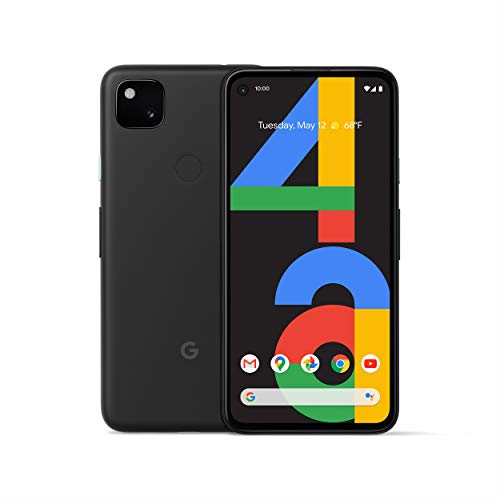
The Pixel 4a is the smallest, lightest phone in this roundup, and that compactness is its main selling point. With a 5.8-inch display, it slips into a pocket or small bag without protest, which is a rare quality in 2026. The 12.2MP dual-pixel rear camera still holds up for casual social use, and Google’s HDR+ processing keeps daylight shots looking clean.
The unlocked body means it works across major US carriers, including Verizon, T-Mobile, AT&T, and Google Fi. For shoppers who want a clean Android experience without paying for features they won’t use, the Pixel 4a remains a sensible minimalist pick, even if its hardware is older than the rest of the list.
A Favorable Mix
- A compact 5.8-inch body is comfortable for one-handed use and small pockets.
- 128GB of storage handles a year or two of casual photos and apps.
- Unlocked body works across major US carriers for easy plan switching.
- HDR+ processing keeps daylight photos looking balanced and natural.
Some Limits To Know
- It’s an older 4G device, so 5G shoppers should look at the Moto G35 5G instead.
- Battery life is modest by modern standards, especially under heavy use.
- Software support has wound down compared to the Pixel 9a or Galaxy S24 FE.
- Night Sight helps, but the sensor still struggles more than newer Pixel models in dim settings.
Built With In Mind
Minimalists and light users who prefer a compact phone with a clean Android interface over modern flagship features.
Reach For A Different Pick When
The Google Pixel 9a is a better choice for shoppers who want modern AI features and a longer software support window.
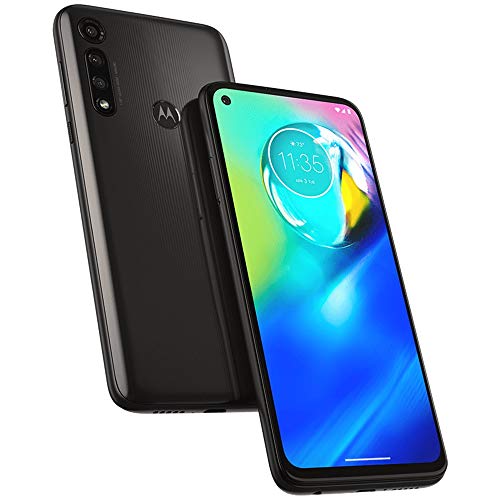
The Moto G Power’s entire reason for existing is battery life, and on that front it still delivers. A 5000 mAh cell paired with modest internals is engineered to stretch across multiple days of lighter use, which makes it a thoughtful pick for travelers, field workers, and anyone tired of nightly charging rituals.
It’s an older 4G device, and the 16MP camera won’t win any awards, but the trade-off is real endurance. The 6.4-inch Max Vision Full HD+ display is comfortable for video and reading, and the dual stereo speakers (tuned by Dolby) add a bit of warmth to media playback.
Positive Takeaways
- Up to three days of battery life removes the daily charging routine for most users.
- Dual stereo speakers make video and podcast playback more enjoyable without headphones.
- An unlocked body works across major US carriers for flexible plan choices.
- The 6.4-inch FHD+ display is comfortable for reading and video.
Factors To Consider
- It runs on 4G only, with no 5G band support.
- 4GB of RAM is light for heavy multitasking, so background apps may need reloading.
- It’s an older device, and software support is shorter than newer alternatives like the Pixel 9a.
Who Should Grab It
Travelers and field workers who need multi-day battery life more than modern flagship performance.
Where A Sibling Pick Shines
The Samsung Galaxy S24 FE is a better match for shoppers who want a more current processor, 5G, and longer software support.
The Galaxy S24 FE is the most refined phone in this roundup, and the one I’d point to for shoppers who want flagship polish without the flagship price. Its AMOLED display is a category above the LCD panels on most budget phones, which means deeper blacks and brighter colors for streaming and gaming.
The 50MP high-resolution camera handles detail well, and Samsung’s Galaxy AI features (Photo Assist, real-time translation) are genuinely useful for travelers and remote workers. Compared to the OnePlus 13R, the S24 FE leans into a more polished software experience and longer-term update support, even if raw processor speed is similar.
Where It Helps
- Galaxy AI tools like Photo Assist and real-time translation add everyday utility for work and travel.
- A bright AMOLED display delivers richer colors and deeper blacks than LCD alternatives.
- A 50MP high-resolution camera captures detailed shots in good lighting.
- An unlocked body works across major US carriers for flexible plan switching.
Where It May Fall Short
- Pricing sits at the top of the “budget” range, so it’s not the most affordable option here.
- Some Galaxy AI features require a Samsung account and internet connection.
- Heavier than compact picks like the Pixel 4a, which can matter for one-handed use.
Tech Specs At A Glance
Whose Shelf It Belongs On
Power users who want a refined AMOLED display, AI features, and long software support in a single package.
Swap It Out When
The Google Pixel 9a is a smarter pick for shoppers who prefer Google’s AI photo tools and stock Android over Samsung’s ecosystem.
What Matters Most Before Choosing Budget Android Mobiles
Matching Specs To Your Real Routine
A spec sheet looks great in a vacuum, but the right phone is the one that fits your day. Commuters who rely on maps and streaming for long stretches benefit from a 5000 mAh or larger battery, while casual users browsing at home can comfortably make do with less. Shoppers on T-Mobile, Mint, or Tello have more flexibility across this list, including the Poco M7 Pro and Redmi A5, but Verizon and AT&T shoppers should focus on unlocked, multi-carrier models like the Pixel 9a, Pixel 4a, or Galaxy S24 FE.
Reading The Camera Numbers Honestly
Megapixels get attention, but image processing is what makes photos look good. Google’s Pixel line and Samsung’s high-end phones use computational photography (software that enhances images beyond the raw sensor capture) to brighten shadows and balance colors, which is why a 12MP Pixel can rival a higher-megapixel competitor. The Poco M7 Pro’s 50MP OIS camera is a strong option for casual creators, while the Redmi A5’s 32MP sensor handles daylight social sharing without complaint.
Storage, RAM, And How Long You Plan To Keep It
Storage and RAM shape how a phone feels two or three years in, not just on day one. Phones with 8GB of RAM or more, like the OnePlus 13R, Galaxy A17, and Moto G35 5G, keep apps warm longer and reduce reload frustration. If you keep your phone for three or more years, 256GB of internal storage is a safer pick than 64GB or 128GB, since OS updates and growing photo libraries add up faster than most people expect.
Key Considerations Across These Picks
Pitfalls Shoppers Hit
The most common mistake is choosing on megapixels alone, then feeling disappointed when low-light photos look flat. A second slip is ignoring carrier compatibility, especially with US-market Xiaomi and Poco models that only work on T-Mobile-network carriers. Finally, shoppers often skip storage planning and end up clearing photos manually a year in, which is why 256GB models earn their premium for most people.
Why Top Tier Costs More
Higher-tier models like the Samsung Galaxy S24 FE and the OnePlus 13R charge more for faster processors, better displays, and longer software support windows. The upgrade is worth it for shoppers who game, edit photos, or plan to keep their phone for three or more years, since smoother performance and longer update cycles pay off over time. Shoppers who mainly message, browse, and stream will find the budget and mid-tier options on this list more than capable.
Frequently Asked Questions
What should I prioritize on a budget Android phone?
Battery life, software stability, and carrier compatibility matter more than peak processor speed for most shoppers. A 5000 mAh battery, at least 6GB of RAM, and unlocked multi-carrier support cover the daily essentials comfortably.
Is 5G worth it on a budget phone?
For most users, yes, since 5G future-proofs the device for the next several years of carrier rollouts. Shoppers who only need basic calling, messaging, and occasional streaming will still find 4G phones like the Galaxy A17 perfectly serviceable.
How much storage is enough?
128GB covers casual users comfortably, but 256GB is the safer pick for anyone keeping their phone for two or more years. The microSD slot on phones like the Redmi A5 offers flexibility, though internal storage is generally faster and more reliable.
Do budget phones get software updates?
It varies by brand. Google’s Pixel 9a and Samsung’s Galaxy S24 FE offer the longest support windows in this roundup, while older models like the Pixel 4a and Moto G Power have shorter remaining support lifecycles.
Are budget phones good for gaming?
The OnePlus 13R handles mobile gaming comfortably thanks to its Snapdragon 8 Gen 3 chipset, and the Poco M7 Pro’s 120Hz display helps mid-range games feel smoother. Cheaper picks are best for casual games rather than graphics-heavy titles.
Final Verdict
The honest read is that any of these nine phones will serve a real need, but the right one depends on what “budget” and “everyday” mean in your life. The Pixel 9a is the easiest recommendation for most shoppers, the OnePlus 13R earns its spot for performance-focused users, and the Redmi A5 keeps first-time buyers covered without forcing compromises. Pick the phone that matches the way you actually use it, and the rest tends to fall into place.