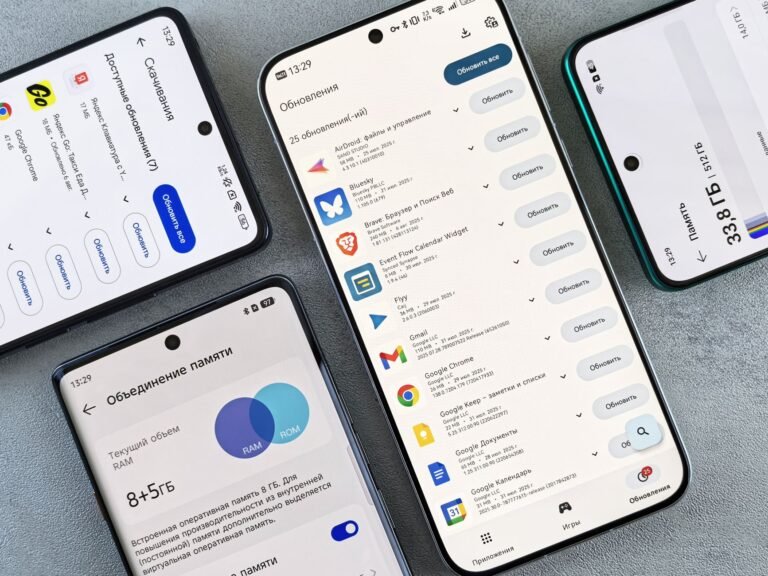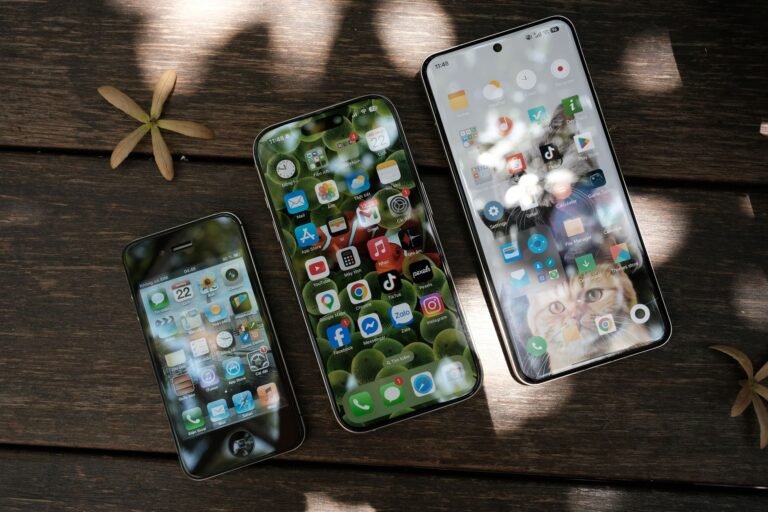

I still meet people who store everything offline, from full-resolution photo libraries to downloaded playlists for long flights, and they want a phone that won’t punish them for it. Expandable storage (a memory card slot, technically called a microSD slot, that lets you add storage beyond the built-in amount) used to be standard, and finding it now takes a little more digging. I’ve narrowed the list to eight current options across unlocked flagships and one practical budget pick, so you can match storage habits to the right phone.
Your Options, Compared
Blackview Wave 7C Unlocked Android 16 4G Cell Phone, 128GB, Dual SIM, Orange
Google Pixel 11 Unlocked Smartphone, Gemini, 256 GB, Obsidian
Google Pixel 11 Unlocked Smartphone, Gemini, 512 GB, Hibiscus
Google Pixel 11 Unlocked Smartphone, Gemini, 512 GB, Frost
Google Pixel 11 Pro Unlocked Smartphone, Gemini, 512 GB, Obsidian
Google Pixel 11 Pro Unlocked Smartphone, Gemini, 256 GB, Olive
Google Pixel 11 Pro Unlocked Smartphone, Gemini, 512 GB, Canyon
Google Pixel 11 Pro XL Unlocked Smartphone, Gemini, 256 GB, Obsidian
Inside Each Recommended Option
The Blackview Wave 7C sits in the entry-level tier, and that positioning shows up in everything from the lightweight Android 16 skin (the operating system’s custom interface overlay) to its 4G-only modem. For someone moving from a basic feature phone or buying a first smartphone for a teen, that’s usually a non-issue: texting, maps, social scrolling, and casual video all run fine on this kind of hardware. You also get a dual SIM tray (two physical SIM slots in one tray), which helps anyone juggling a work line and a personal line on the road.
That said, the storage story matters here. The built-in 128GB fills up faster than people expect once photos, offline music, and a few games land on the device. A microSD card slot turns that ceiling into a movable target. Compared with the Pixel 11 picks coming next, the Wave 7C trades camera polish and high-end processing for a much friendlier ticket at the register.
Positive Points
- Unlocked design works across compatible 4G carriers, useful for switching providers without buying new hardware.
- Dual SIM tray makes it easy to keep two active lines in one device.
- 128GB of built-in storage gives a comfortable starting runway for apps and photos.
- Android 16 with DokeOS 5.0 keeps the daily interface modern, including current messaging and navigation apps.
- Lightweight frame suits younger users or anyone who dislikes heavy slabs.
Things To Consider
- 5G is not supported, so mobile data speeds stay capped on this generation of network.
- Carrier compatibility varies, and the IMEI (the phone’s unique carrier-identification number) should be confirmed before activation.
- The camera system is built for everyday snapshots rather than serious low-light work.
Key Specs
Who Should Grab It
First-time smartphone owners, teens, and anyone wanting a low-stakes second phone for travel or backup duty will get the most from this pick.
Where Another Pick Suits Better
Photographers and power users should look at the Google Pixel 11 Pro in Obsidian instead, since its camera system and processor target heavier creative workloads.
The Pixel 11 in Obsidian lands in the middle of Google’s 2026 lineup, and that middle spot is exactly why it tends to suit the most people. The matte back panel hides fingerprints better than glossy finishes, and the slim camera bar keeps the rear profile flat on a table. For commuters and remote workers, the unlocked status (meaning the phone isn’t tied to a single carrier and can be activated on most networks) means swapping carriers doesn’t require a new device.
The 256GB storage tier is a smart everyday choice. Apps, photos, and offline video all fit comfortably, and Gemini (Google’s on-device AI assistant) helps manage reminders, transcriptions, and quick edits without needing to offload anything to the cloud. Compared with the Blackview Wave 7C, the Pixel 11 trades budget-friendly pricing for stronger camera hardware, smoother software updates, and a more refined feel in the hand.
Strong Points
- 256GB of built-in storage handles photo libraries and downloaded playlists without constant cleanup.
- Unlocked design supports a wide range of compatible carriers across regions.
- Gemini features streamline daily tasks like message drafting, photo editing, and meeting notes.
- The Pixel camera system continues Google’s tradition of strong point-and-shoot results.
Points To Note
- Cloud backup settings are worth configuring early so a lost or damaged phone doesn’t mean lost photos.
- Color-matched cases can be harder to source than for the brighter Pixel finishes.
Quick Facts
Made For
Everyday users who want a balanced, unlocked flagship without paying for the larger Pro display.
A Better Fit Elsewhere
Style-focused shoppers may prefer the Google Pixel 11 Pro in Olive, which pairs the Pro feature set with a distinctive colorway.
The Hibiscus finish on the Pixel 11 is a warm, almost coral tone that shows up well in product photos and even better in person. It’s a lively choice for anyone whose phone spends a lot of time on a café table or a gym bench. Beyond color, this configuration doubles the built-in storage to 512GB, which changes how the phone gets used day to day.
With that much room on board, most people stop worrying about cloud storage entirely. Full-resolution photos, downloaded playlists for long flights, and even offline podcast queues stay comfortably local. Compared with the Obsidian 256GB model, this one trades a more conservative color and lower capacity for breathing room that’s hard to outgrow in a two-year ownership cycle.
Where It Helps
- 512GB of internal storage keeps full-resolution photo libraries and offline video on the device.
- Hibiscus colorway stands out from the standard black-and-white lineup.
- Unlocked hardware plays nicely with most major carrier SIM cards.
Honest Caveats
- The brighter finish may show scuffs on edges more visibly than darker options over time.
- Owners report that the larger storage tier can encourage keeping files that should really be backed up.
Right Fit For
Offline media collectors, frequent travelers, and anyone who downloads rather than streams.
Skip It When
Casual users comfortable with cloud storage should look at the 256GB Obsidian model and save the difference.
The Frost finish leans into a cool, almost silvery tone that catches light without going flashy. It’s a sensible middle ground between the conservative Obsidian and the louder Hibiscus, and it tends to age well as phones get knocked around in pockets and bags. Pair that color with 512GB of internal storage and the same Pixel 11 platform as the rest of the lineup.
For someone who already knows they want generous storage but hasn’t settled on a color, Frost offers the easiest compromise. It also reads as more neutral in professional settings, which matters for users who carry their phone into client meetings or onto film sets.
Why It Works Well
- Frost tone fits both casual and professional environments.
- 512GB of storage supports heavy camera use without forcing regular cleanups.
- Matte back texture resists fingerprints during long days of handling.
A Few Limitations
- Cool tones can look slightly different under warm indoor lighting, so seeing the device in person helps.
- Cases that match the Frost finish precisely can be harder to find than standard black or white ones.
Feature Snapshot
Best Suited To
Style-conscious power users who want a distinctive look without leaning into bright colors.
Not Your Match When
Buyers who want maximum camera flexibility should consider the Pixel 11 Pro line, which adds telephoto capabilities.
The Pixel 11 Pro shifts into flagship territory with tougher materials for drop protection, a refined camera system, and Gemini features that lean more deeply into proactive assistance across apps. For frequent travelers, that’s a meaningful upgrade: the phone handles translation tasks, scheduling, and visual search more fluidly, which reduces the friction of moving between cities and languages. The Pro is also available in two screen sizes, 6.3″ and 6.8″, so the form factor can match how you actually carry it.
The 512GB Obsidian variant pairs that capability with classic styling and enough storage to skip cloud subscriptions for most users. Compared with the Pixel 11 base model, the Pro earns its higher tier through build durability, telephoto reach, and AI integration that feels less like a demo and more like a daily tool.
Where It Excels
- Tougher construction provides everyday drop protection on rough commutes.
- Pro camera system handles low-light scenes and zoomed-in subjects with confidence.
- Two size options (6.3″ and 6.8″) let shoppers match the phone to hand size and pocket preference.
- 512GB internal storage supports extended travel without offloading files.
Where It May Fall Short
- The larger 6.8″ option can feel unwieldy in smaller hands or slim pockets.
- Pro pricing is a clear step up from the base Pixel 11.
At A Glance
Whose Shelf It Belongs On
Frequent travelers and content creators who want pro-grade camera reach and durable construction in a flagship body.
Swap It Out When
Users who prefer a smaller, friendlier form factor should look at the Google Pixel 11 in Obsidian 256GB, which trades Pro features for everyday comfort.
Olive is one of those colorways that quietly gets more compliments than loud finishes do. It pairs naturally with neutrals in bags and wardrobes, and the muted green reads as confident without demanding attention. For shoppers who want the Pixel 11 Pro feature set but care about how the phone looks on the table, this is the easy answer.
At 256GB of internal storage, this configuration lands in the comfortable middle for storage needs. Most users won’t fill it in a normal ownership cycle unless they’re shooting lots of 4K footage. The Pro still gives access to the tougher build materials and the deeper Gemini integrations that distinguish it from the standard Pixel 11.
What It Does Well
- Olive finish offers a distinctive look without leaning into bright tones.
- Pro build materials bring extra drop protection compared with the base Pixel 11.
- Gemini tools add meaningful day-to-day value for scheduling, photos, and search.
Practical Considerations
- The 256GB capacity may feel tight for users who shoot large 4K video files regularly.
- Olive colorways can look subtly different across retailers’ photos, so an in-person look helps.
Perfect Match For
Fashion-forward shoppers who want flagship features paired with a distinctive, wardrobe-friendly finish.
Reach For A Different Pick When
Heavy shooters who want more storage headroom should step up to the Google Pixel 11 Pro in Obsidian 512GB instead.
Canyon carries an earthy, warm tone that hides scuffs well and feels grounded in hand. For outdoor users, hikers, and frequent travelers, that combination of color and Pro-tier construction is genuinely useful: the tougher materials handle rougher pockets and packs, while the matte hue forgives minor wear over time. The 512GB capacity rounds out a configuration designed for people who push their phone harder than the average commuter.
Compared with the Olive 256GB Pro, this model doubles the internal storage and shifts to a more travel-ready color. It also shares the same dual-size display option as the rest of the Pro line, which lets you choose between the 6.3″ standard form factor and the 6.8″ larger canvas.
Advantages To Know
- Canyon colorway ages well and forgives minor surface marks during outdoor use.
- 512GB storage supports extended trips without offloading photos or video.
- Reinforced Pro construction provides added drop confidence in rougher environments.
Worth Bearing In Mind
- The earthy tone can look slightly different under artificial indoor lighting, so seeing it in person helps.
- Pro pricing reflects the tougher build and higher storage tier.
The Right Fit
Outdoor and travel-heavy users who value durability, storage capacity, and a forgiving finish in equal measure.
Where A Sibling Pick Shines
Shoppers who prefer a more neutral color and lighter carry should consider the Google Pixel 11 Pro XL for its larger display.
The Pro XL stretches Google’s flagship into a larger format that suits streaming, gaming, and reading more naturally than smaller displays. The 6.8″ panel gives video and mobile games more room to breathe, and the Pro-grade build keeps the larger body feeling solid rather than fragile. The Obsidian finish keeps things understated, so the phone reads as a serious tool rather than a toy.
At 256GB of internal storage, this configuration stays within the comfort zone for most users. The tradeoff shows up in size rather than capacity: you trade pocket-friendly compactness for a more immersive screen. Compared with the Pixel 11 Pro in Canyon, this model shifts toward entertainment-focused use while keeping the same Pro feature set.
Practical Advantages
- Large 6.8″ display improves video, gaming, and split-screen productivity.
- Pro build materials provide drop protection for the larger body.
- Obsidian finish keeps the XL looking neutral across professional and casual settings.
Less Ideal Details
- The larger body may feel bulky in smaller hands or shallow pockets.
- One-handed reach across the screen can be harder without software aids enabled.
- XL-tier pricing reflects the bigger display and Pro feature set.
Feature Snapshot
Built With In Mind
Streamers, mobile gamers, and anyone who watches a lot of video on the go and prefers a bigger screen.
Consider Something Else When
Users who carry their phone in small pockets or want one-handed reach should consider the standard Google Pixel 11 Pro in Obsidian 512GB.
Factors To Consider When Choosing Android Phones With Expandable Storage
Storage Tiers and Real-World Use
Pick a storage size based on what you actually keep on the device. Cloud-first users get by with 128GB, while offline media collectors benefit from 512GB. MicroSD support remains the safety net for archived photos and large video projects, though compatibility varies by manufacturer.
Build, Display, and Daily Carry
Larger screens suit streaming and gaming, but they cost pocket comfort. Pro-tier models often add tougher construction materials, which matters for travel and outdoor use. Color choice matters less for function but shapes how the phone fits into your daily wardrobe and case selection.
Carrier Status and Software Updates
Unlocked phones travel between carriers cleanly, while locked devices tie you to one network. Software update commitments (the number of years the manufacturer promises to deliver operating system upgrades and security patches) vary, and longer support windows protect resale value and security over time. AI features like Gemini rely on those updates to keep improving.
Budget vs. Flagship Trade-Offs
Budget picks cover messaging, maps, and casual use at a friendly price, while flagship models add stronger cameras, more durable builds, and broader AI capabilities. Spending up usually buys longevity and image quality, not just bigger numbers on the spec sheet.
Key Considerations Across These Picks
Pitfalls Shoppers Hit
Skipping a carrier compatibility check is the most common first-time unlocked-phone mistake. Buyers also tend to under-budget for storage and end up juggling cleanup every few months. Cases and screen protectors get overlooked until the first drop, so factoring those in early avoids rushed purchases.
What The Higher Tier Buys
Pro models trade a higher upfront cost for tougher materials, telephoto camera reach, and a more capable AI integration layer. The upgrade tends to pay off for frequent travelers and content creators. For casual users who mainly text, scroll, and stream, the base tier usually delivers the experience they need without overspending.
Frequently Asked Questions
Do any of these phones have a microSD card slot?
Storage details vary by configuration, and expandable storage is not guaranteed across modern flagships. Confirm the specific model’s memory card support before purchase.
Is an unlocked phone harder to set up?
Unlocked phones work with most major carriers once a compatible SIM (the small subscriber-identity chip from your carrier) is inserted. Activation typically takes a few minutes through the carrier’s app or website.
What does Gemini actually do on these phones?
Gemini is Google’s on-device AI assistant that helps with messages, translations, photo edits, and meeting notes. It works alongside the standard Android apps and improves over time with software updates.
How much storage do I really need?
Casual users do fine with 128GB to 256GB. Offline media collectors and frequent video shooters benefit from 512GB, since larger libraries fill smaller capacities surprisingly fast.
Does Pro really mean better cameras?
Pro models typically include telephoto lenses (optical zoom lenses that let you get closer to your subject without losing image quality) and improved low-light performance compared with base models. The difference matters most for users who shoot regularly in challenging lighting.
Bottom Line
The right Android phone with expandable storage depends on how you actually use your device. Budget shoppers get a workable starter with the Blackview Wave 7C, while Pixel 11 base models cover most everyday needs. Power users who want tougher builds and pro-grade cameras should lean toward the Pixel 11 Pro line, and the XL variant offers the largest canvas in the group. Pick the tier that matches your storage habits, then choose the color and screen size that fit how you carry the phone every day.